



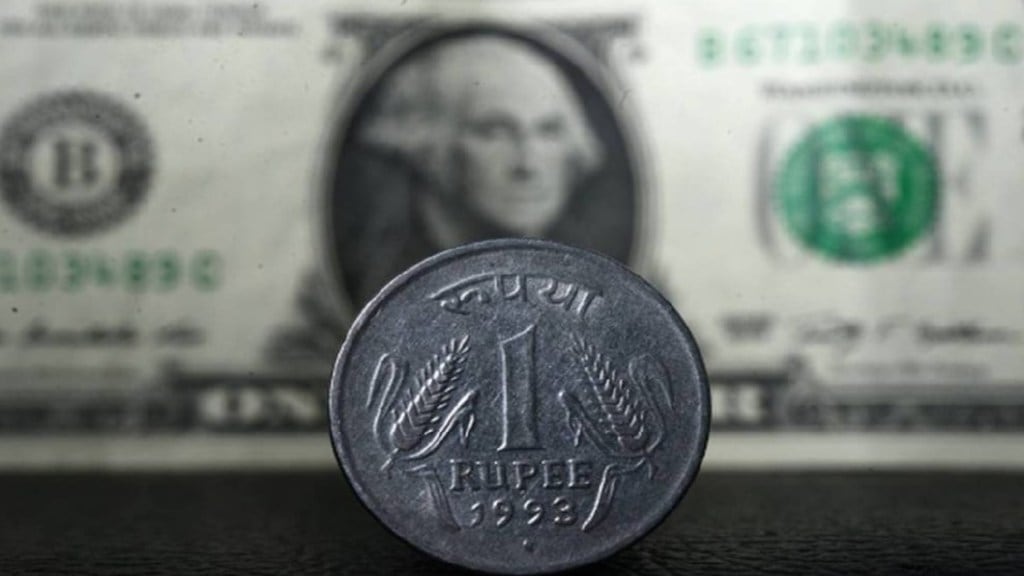
The Indian rupee, which had opened flat, slipped to yet another historic low of 90.46 against the US dollar. The lack of clarity on when the stalled trade deal with the US will be finalised weighed heavily on the domestic currency, while sustained dollar outflows added further downward pressure. The Indian Rupee has been one of the worst performing Asian currencies having fallen by over 5% against the greenback.
Rupee hits historic low, mild intervention by RBI
The currency depreciated to 90.4675 against the greenback, breaking through its previous record low of 90.42 on December 4. As per a Reuters report, it is likely that the RBI intervened to help prevent further losses for the Indian rupee. It also added that the central bank’s intervention was mild and was mostly intended to slow down the fall instead of holding it to any specific level.
Traders had expected some recovery for the currency as the US Federal Reserve on Wednesday announced a quarter-point rate cut. However, this was offset by the dollar outflows. In the afternoon session (1:00 pm IST), the rupee hit a low of 90.37, then slumped further.
“The Indian rupee weakened past 90/$, hitting another fresh record low, pressured by corporate dollar outflows, which added to concerns over the absence of a US-India trade deal. The outflows were driven by Indian companies buying dollars for end-of-year international payments, alongside demand from foreign and local private lenders likely linked to merchant transactions. These limited relief from a softer greenback following the US Fed’s rate cut and less-hawkish-than-expected comments,” Jigar Trivedi, Senior Research Analyst at Reliance Securities said.
The analyst further added that while US Trade Representative Rick Switzer is in New Delhi to finalise trade discussions including those related to US sanctions to India’s purchases of Russian crude oil, the domestic currency could bear heavier losses if a final outcome is not achieved.
“The currency is on track for its worst annual decline since 2022, pressured by weak portfolio inflows and steep US tariffs on Indian exports,” Trivedi added.
The local currency’s depreciation comes amid ongoing bilateral talks between New Delhi and Washington to address tariff tensions. India’s Chief Economic Advisor (CEA) V. Anantha Nageswaran, in his remarks to Bloomberg TV, had said that most of the pending trade deal with the US has been resolved and added that he would be “surprised” if a trade deal with the US is not finalised by March.
Meanwhile, analysts warn that delays in the trade deal are likely to add more pressure to the domestic currency, and the Indian rupee may even reach the 92-level against the US dollar.
Mexico to impose tariffs on India
Further, Mexico is also likely to hit India with 50% import duties, which might have added more pressure for the domestic currency. On Wednesday, the Mexican Senate gave a final go-ahead to the tariff bill, which will hit more than 1,400 products from Asian countries that don’t have a trade deal with Mexico, with duties ranging between 5% to 50%, as per a Bloomberg report.
Much optimism was expected in the markets that, with the Fed cutting rates, the rupee would see a slight recovery and hover near the 88–89 levels. However, despite the weakening of the dollar index, the domestic currency hit yet another low. The focus will now be on RBI’s $5 billion dollar-rupee buy/sell swap, which is scheduled to be conducted next week. This measure will help inject liquidity into the local banking system.
“Traders and bankers expect the swap to see healthy interest from market participants, and it could help ease the excess dollar liquidity in the banking system on account of the RBI’s previous dollar-selling interventions and IPO-related inflows,” Reuters said in its report.