



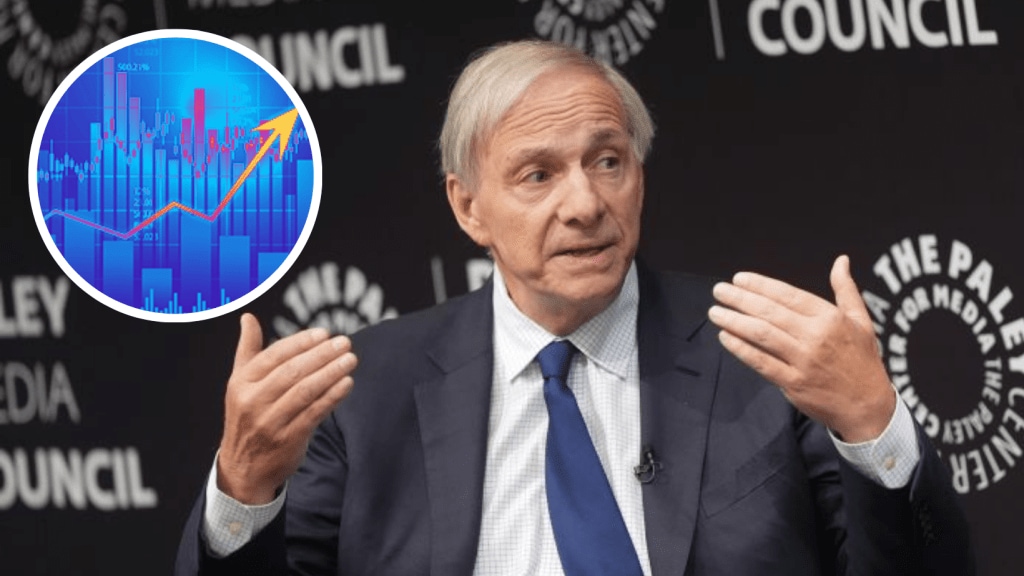
Ray Dalio, founder of Bridgewater Associates, have some interesting observations for 2026. Though 2025 looked strong for US stocks on the surface, especially with AI-driven names, Dalio believes the deeper forces shaping markets will define what happens this year.
His analysis points to rising bubble risks in AI, weakening money, low future returns, growing political and geopolitical instabilities across the world. In a long analytical article that he posted on X, Dalio tells us his predictions for 2026:
AI boom is entering bubble territory
Dalio is explicit that artificial intelligence is no longer just a growth story. He writes that “the AI boom that is now in the early stages of a bubble had a big effect on everything.” Dalio repeatedly stresses that the most important story is the decline in the value of money, not stock performance.
https://t.co/5mkvsUPpQG
— Ray Dalio (@RayDalio) January 5, 2026
He says “the biggest story and the biggest market moves of the year were the result of the weakest fiat currencies falling the most.” This erosion of money reduces real wealth and buying power, even when asset prices rise in nominal terms.
Looking ahead, Dalio believes this trend will continue, making affordability a central economic and social issue in 2026. He explains that “the value of money issue, otherwise known as the affordability issue, will probably be the number one political issue next year.”
Stock and bond returns are likely to be low
Dalio sees limited upside for both equities and bonds going forward. He explains that “with PE multiples high and credit spreads low, valuations appear to be stretched.” Based on current yields and productivity assumptions, he estimates that “my long-term equity expected return would be at about 4.7%, which is very low.” For 2026, Dalio’s framework points to modest returns, higher volatility, and increased sensitivity to interest rate changes.
Fed easing may inflate new bubbles
Dalio expects the US Federal Reserve to lean toward easier policy. He writes that “the newly appointed Fed chair and the FOMC will be biased to push nominal and real interest rates down.” Though this may support asset prices in the short term, Dalio warns that such policies “would be supportive to prices and inflate bubbles.” In 2026, this raises the risk that markets, especially long-duration assets like equities and gold, become more fragile rather than more stable.
Political conflict will increase economic pressure
Dalio believes economic outcomes and politics are now deeply intertwined. He highlights a growing divide where “the ‘haves’… don’t see inflation as a problem, while the majority… feel overwhelmed by it.” This tension, he explains, is setting up “a big fight… between the hard right and the hard left.” As affordability pressures worsen in 2026, Dalio expects more political instability, policy uncertainty, and pressure on corporate profits through taxes, regulation, or redistribution.
Global investors will keep diversifying away from the US
Dalio observes that capital has already begun moving out of the US. He notes that “there were big shifts in flows, values, and, in turn, wealth away from the US.” Stronger performance in non-US equities and gold shows declining confidence in US assets, especially unhedged dollar investments.
For 2026, Dalio expects this trend to continue, with further rebalancing toward non-US markets and hard currencies. Dalio is cautious about private markets.
He writes that “venture capital, private equity, and real estate… are having problems.” He adds that liquidity premiums are unrealistically low and warns that “they are likely to rise a lot.” The financial expert frames all these developments within his long-term model.
He says that “the debt/money/markets/economy force, the domestic political force, geopolitics, nature, and new technologies will continue to be the major drivers.”
Disclaimer: This article provides factual analysis only and is not, and should not be construed as, an offer, solicitation, or recommendation to buy or sell securities. Investors must conduct their own independent due diligence and seek advice from a registered financial advisor in the respective jurisdiction.