



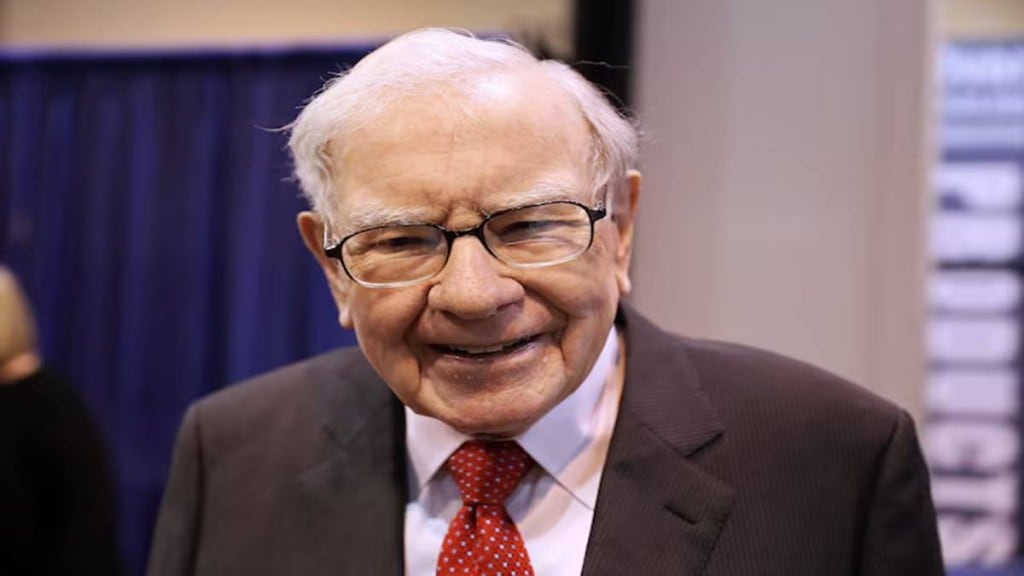
Warren Buffett may have retired, but the Oracle of Omaha hasn’t. As the legendary investor finally stepped away from the daily grind of running Berkshire Hathaway, it marked the end of a professional chapter unlike any other in modern capitalism. But it does not mark the end of his influence.
For more than six decades, Buffett, 95, did something astonishingly unfashionable in a financial world addicted to speed, leverage and spectacle. He proved that patience could outperform brilliance, that temperament mattered more than intelligence, and that saying “no” was often the most profitable decision an investor could make. In an era that celebrated traders, disruptors and dealmakers, Buffett quietly built one of the largest and most enduring fortunes by buying good businesses, holding them for a very long time, and letting compounding do the heavy lifting.
A steady philosophy amid an age of noise
His retirement comes at a time when markets are noisier than ever. Algorithms trade in microseconds, valuations swing on vibes, and finance is often framed as a contest of cleverness. Buffett stood for the opposite idea: investing as applied common sense. His principles were almost stubbornly simple — understand the business, trust the management, insist on a margin of safety, and never confuse activity with progress. The genius lay not in novelty, but in consistency.
Greg Abel, vice chairman overseeing non-insurance operations, will succeed Buffett as CEO of Berkshire Hathaway effective January 1 (today). Abel, a longtime Berkshire executive, has been widely viewed as Buffett’s chosen successor and has played a key role in expanding the company’s energy and infrastructure businesses over the past two decades.
Buffett will remain chairman of Berkshire Hathaway, a move aimed at ensuring continuity in the company’s unique culture, which emphasises decentralised management, conservative capital allocation, and long-term value creation.
Lessons that made investing understandable
What truly set Buffett apart was not just how he invested, but how he explained investing. Through annual letters that were part balance-sheet lesson, part moral essay, he demystified finance for millions. He spoke about risk not as volatility, but as permanent loss. He warned against debt when it was most fashionable, preached humility at market peaks, and reminded investors that “it’s far better to buy a wonderful company at a fair price than a fair company at a wonderful price.” These ideas sound obvious today largely because Buffett repeated them relentlessly — and lived by them.
Buffett also embodied a rare moral clarity in business. He believed reputation took decades to build and minutes to destroy, and he ran Berkshire accordingly. In boardrooms and shareholder meetings alike, he argued that ethics were not a constraint on returns but a foundation for them.
That the Oracle endures even as the man retires is because Buffett’s legacy is not tied to his presence. It lives in a philosophy that has outlasted multiple market cycles, crashes, bubbles and manias. It lives in the investors who learned to slow down, in managers who learned to think like owners, and in shareholders who learned that wealth is built by discipline, not drama.