



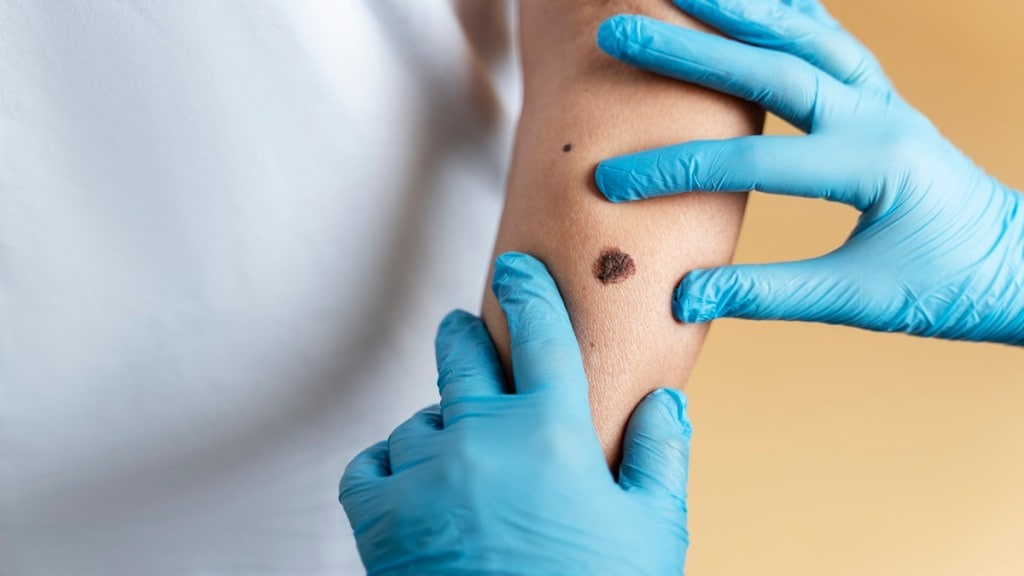
Mpox vs Smallpox: The increasing number of mpox has become of cause of concern among health experts globally. Mpox (formerly known as Monkeypox) is a viral disease that infects both humans and animals, namely rodents and non-human primates.
According to American Society of Microbiology, it is caused by the monkeypox virus (MPXV), a DNA virus that belongs to the Orthopoxvirus genus, which also includes variola virus (the causative agent of smallpox), vaccinia virus (the virus used in the smallpox vaccine) and cowpox virus.
Mpox vs Smallpox: What are the similarities?
The symptoms of mpox and smallpox are very similar. According to American Society of Microbiology, both viruses cause fever, chills, headaches, muscle aches and fatigue, as well as a characteristic rash with fluid-filled lesions that are concentrated on the face, mouth and extremities.
It is noteworthy that during the 2022 mpox outbreaks, increased oral and anogenital lesions have been reported.
Mpox vs Smallpox: What are the differences?
The biggest differences between mpox and smallpox are that mpox has a much lower fatality rate and broader known host range than smallpox. According to American Society of Microbiology, depending on the clade, mpox has a case fatality rate of 1-10 percent. While smallpox is fatal in 30-50 percent of cases, the fact that humans are the only known reservoir was instrumental in smallpox eradication in 1980.
Signs and symptoms of Mpox and Smallpox that you must know
Once it enters the body, the mpox virus starts to replicate and spread inside the body through the bloodstream. According to a report by The Conversation, mpox produces smallpox-like skin lesions, but symptoms are usually milder than those of smallpox.
Flu-like symptoms are common initially, ranging from fever and headache to shortness of breath. One to 10 days later, a rash can appear on the extremities, head or torso that eventually turns into blisters filled with pus. Overall, symptoms usually last two to four weeks, while skin lesions usually scab over in 14 to 21 days.
While mpox is rare and usually nonfatal, one version of the disease kills around 10% of infected people. The form of the virus currently circulating is thought to be milder, with a fatality rate of less than 1 percent.
Vaccine and Treatments options for mpox and smallpox
According to the Centers for Disease Control and Prevention, no treatments are available to cure mpox infection. The current protocol focuses on providing symptomatic relief. Evidence suggests that the smallpox vaccine can help prevent mpox infections and decrease the severity of the symptoms. One vaccine known as Imvamune or Imvanex is licensed in the U.S. to prevent mpox and smallpox.
The CDC currently recommends smallpox vaccination only in people who have been or are likely to be exposed to mpox. Immunocompromised people are at high risk.