



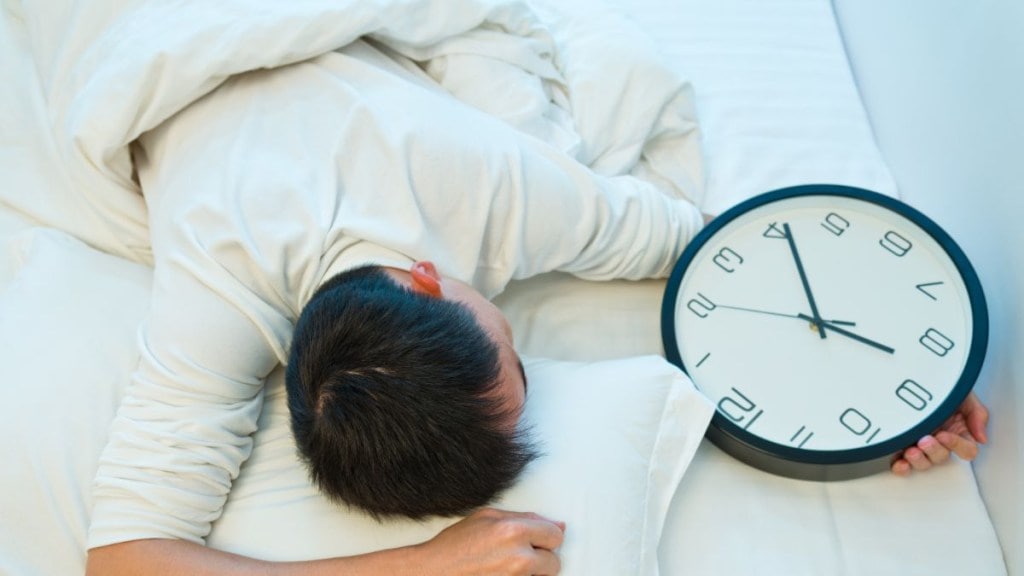
Is it possible to save up some sleep for a rainy day when you can catch none? There is some evidence that sleep banking or extended sleep of 9-10 hours on some days could improve resilience during times of sleep deficit. However, beware of the sleep pattern’s limitations, as experts warn only a certain group of people are eligible for it, like military members on mission, medical doctors, or others who know they will have several days of sleep deprivation. Financial Express.com reached out to sleep experts to learn all about the concept.
What is sleep banking
Dr. Rebecca Robbins, a sleep scientist at Brigham and Women’s Hospital in Boston and an assistant professor at Harvard Medical School told CNN that sleep banking is the practice of implementing a really healthy sleep schedule and making time for ample sleep duration so that you can build up your resilience as you enter periods of insufficient sleep.
Is sleep banking really useful? What research says
Study published in Sleep journal says people who extended sleep (9–10 hours) before deprivation were more resilient to later severe sleep restriction. They demonstrated fewer performance lapses, faster reaction times, reduced microsleeps, and quicker neurobehavioral recovery compared to habitual sleepers. However, subjective sleepiness did not improve, suggesting limits to the perceived benefits of extra sleep.
How to create a sleep bank
“If you want to try sleep banking for a period, begin your bedtime routine earlier and try to fall asleep 15 minutes earlier each night before a period of sleep deprivation,” Robbins told CNN. This will make sure you are gradually adding ‘sleep’ of an hour and a half every week, which you could make use of later during times when you are sleep deprived.
While there is some research around sleep banking in medical literature, Dr Ravi Shekhar Jha, Director and Unit Head Pulmonology & Sleep Medicine, Fortis Escorts Hospital, Faridabad says “sleep is not like a bank account where you can simply deposit hours whenever it is convenient and withdraw them later without consequences.”
He added that while getting extra sleep after a period of poor sleep does help the body recover to some extent, it cannot completely erase the biological effects of sleep loss.
Sleeping extra eases sleep pressure
When someone has a few short nights in a row, the brain builds what is called sleep pressure, explains Dr Jha. “Extra sleep on the following nights can reduce this pressure, improve alertness, stabilize mood, and partially restore immune and metabolic function,” he adds. However, some systems recover slowly. Hormonal balance, glucose regulation, cardiovascular stress, memory processing, and reaction time can remain impaired even after several nights of recovery sleep. This is why people who chronically restrict sleep often feel they have adapted, while objective testing shows their performance and health markers are still affected, he said.
What extra sleep can and cannot help you with
Extra sleep can help reduce tiredness and improve mood for a short time. “It may help you feel more alert after a few bad nights of sleep. Extra sleep can also support better focus and energy temporarily,” says Dr. Sunil Kumar K, Lead Consultant – Interventional Pulmonology & Sleep Medicine, Aster CMI Hospital, Bengaluru.
“However, extra sleep cannot fully fix the damage caused by long-term sleep loss. It cannot fully restore memory, immunity, or heart health affected by poor sleep,” he adds.
How important is a good night’s sleep
“A good night’s sleep is essential for mental health, emotional stability, memory processing, and stress regulation. Chronic sleep disruption increases vulnerability to anxiety, depression, and burnout. Short naps of 15–20 minutes can temporarily improve alertness and concentration, particularly after poor sleep. However, naps do not replace nighttime sleep and, if prolonged or poorly timed, may further disrupt sleep cycles,” says Dr Shaunak Ajinkya, Consultant Psychiatrist, Kokilaben Dhirubhai Ambani Hospital, Mumbai.
What happens when you oversleep too often
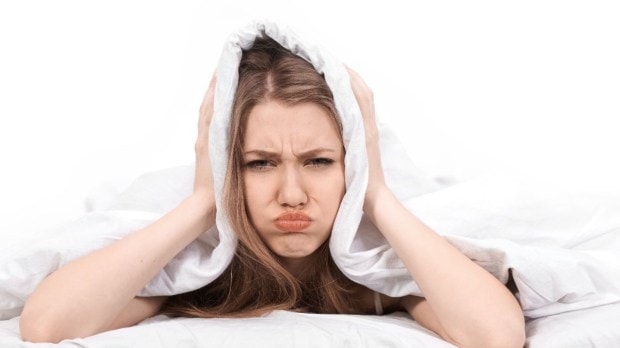
Don’t go overboard with banking sleep as it can backfire. From headaches to body clock dysregulation, a lot is at stake.
“Sleeping too much at once can disturb the body clock. This may cause headaches or low energy. Experts say sleep debt cannot be completely repaid. Regular sleep is more effective than sleeping extra occasionally. Adults should aim for seven to nine hours of quality sleep every day,” says Dr Sunil.
What happens when you sleep for 12 hours or above
May people sleep up to 12 hours during weekends. Let’s understand if this practice is healthy or not.
“Oversleeping for twelve hours occasionally is not dangerous and often simply reflects accumulated sleep debt or recovery from illness or stress. After extended sleep people may feel groggy or disoriented for a short time, a phenomenon called sleep inertia,” says Dr Jha.
However, not if this has become your new normal, warn experts. “If long sleep episodes happen frequently, they can indicate underlying problems such as depression, sleep apnea, anemia, or other medical issues and should be evaluated,” says Dr Jha. In this case, you must reach out to a medical expert.
Agrees Dr Sunil who says oversleeping for 12 hours can make it harder to fall asleep the next night. He also warns that sleeping for longer than required can lead to low energy instead of feeling refreshed.
“Some people feel body aches or stiffness after long sleep. It can also affect mood and cause irritation or sadness. Oversleeping often happens due to stress, illness, or lack of sleep earlier,” he says.
How useful are naps for sleep deprived

“A good night’s sleep remains the foundation of health. Naps can help improve alertness and reduce short term sleepiness, especially in people who did not sleep well the night before. However, naps cannot replace the complex restorative functions of continuous nighttime sleep, particularly the long cycles of deep and REM sleep that support memory, emotional processing, and metabolic regulation. Long or late naps can also interfere with nighttime sleep quality,” says Fortis Hospital’s Dr Jha.
What if one sleeps 12 hours on weekends and 5 hours on weekdays?
Even if average sleep adds up to seven hours a night over a week, experts say this may not necessarily qualify as a healthy sleep pattern.
“The average may appear to reach seven hours, but the body does not calculate sleep that way. This irregular schedule disrupts circadian rhythms, hormone secretion, appetite control, and cardiovascular regulation. It is associated with higher risks of obesity, diabetes, depression, and heart disease. Consistency matters. The body functions best when sleep and wake times are stable and when sufficient sleep is obtained every night, not just on weekends,” says Dr Jha.
“Sleeping 12 hours on weekends and only 5 hours on weekdays is not considered a healthy sleep pattern, even if the average comes to 7 hours. The body prefers regular sleep timing and consistent hours every day. Large differences between weekday and weekend sleep can confuse the body clock. This is called social jet lag. It can cause tiredness, poor focus, and mood changes. Extra sleep on weekends may reduce fatigue for a short time. However, it cannot fully fix the effects of weekday sleep loss,” says Dr Sunil
It is recommended to get 7-9 hours of sleep each night, says the expert. While sleep banking can help in certain cases, or for certain people, it’s definitely not a pattern suggested for people in general. Sleep experts recommend going to bed and waking up at similar times daily for improving energy, memory, and long-term health.
Disclaimer: Always consult a doctor before starting any diet or fitness routine. Always seek the advice of your doctor with any questions about a medical condition.