



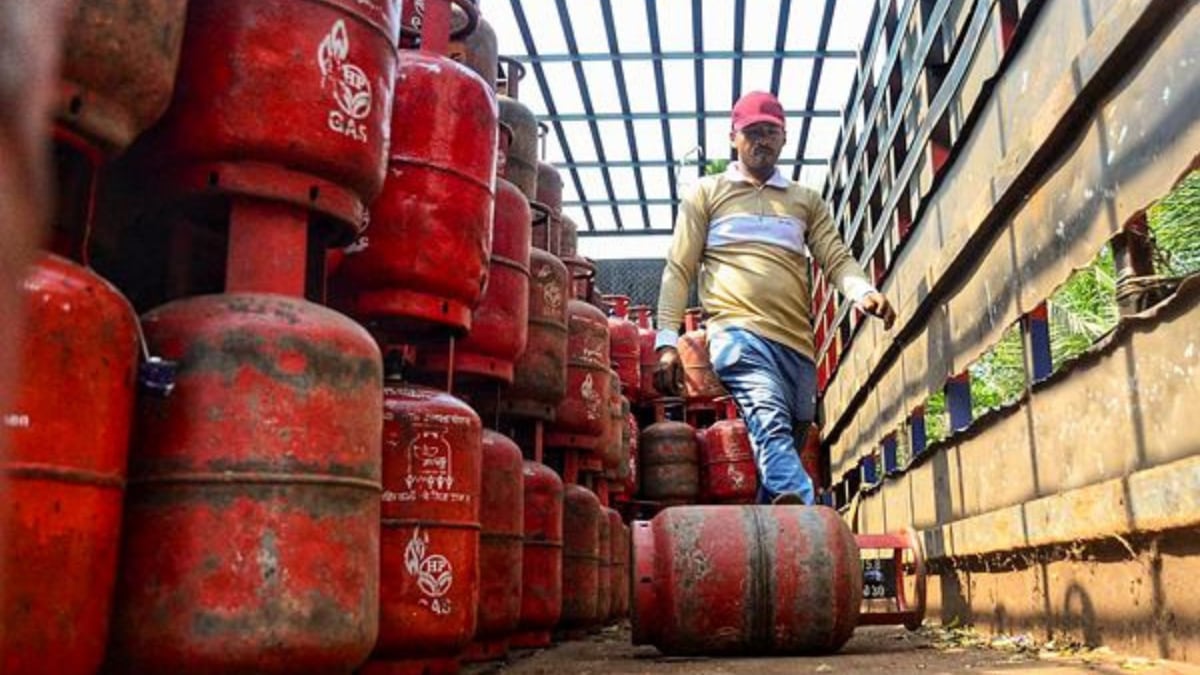
The commercial LPG shortage is beginning to alter how large kitchens feed people. With cooking gas supplies tightening, restaurants, railway canteens, office cafeterias and hostel kitchens are increasingly turning to ready-to-eat and frozen food products that require little preparation.
The shift is visible across several institutional kitchens that typically rely on LPG for bulk cooking. As supplies thin and refills become uncertain, operators are looking for alternatives that can keep meals flowing without long cooking cycles.
Operational Pivot
Frozen food makers told Fe that enquiries from such establishments have picked up in recent days. Zappfresh, a Delhi NCR-based frozen meat and snacks company, said requests from restaurants and institutional kitchens have risen 10–15% since early March, particularly from Delhi NCR, Mumbai and Bengaluru.
To meet the incremental demand, the company has expanded production of frozen snack categories such as samosas, momos and kebabs. Output of these items has been increased by about 15–20% over the past week, Deepanshu Manchanda, managing director of Zappfresh, said.
“The enquiries are largely from kitchens that want products which can be heated quickly without extensive cooking,” Manchanda said, adding that the trend has emerged over the past few days as LPG availability tightened.
Consumer demand is also beginning to respond to the uncertainty. Akash Agrawalla, founder of spice and ready-to-eat brand Zoff Foods, said households appear to be stocking up on packaged meals that require minimal preparation.
“People are anticipating a shortage in gas supply and stocking up on ready to eat packages. These products required minimal heating of up to just 5 minute, so it saves that much cooking time over gas,” Agrawalla said.
He added that the demand is still at an early stage and largely driven by expectations rather than actual shortages in homes, but sales could rise over the next one to two weeks if the LPG crunch persists.
Large public catering systems are already adjusting operations. The Indian Railway Catering and Tourism Corporation, which serves around 1.7 million meals a day, issued a directive on March 10 asking catering units in its West Zone, including food plazas, refreshment rooms and jan ahaars, to shift to microwaves and induction cooktops and maintain stocks of ready-to-eat food.
The vulnerability of gas-dependent kitchens became evident the next day when IRCTC’s cloud kitchen at Sewri in Mumbai, which supplies meals to premium trains such as the Vande Bharat, Rajdhani and Duronto, ran out of LPG and was unable to cook. Railway officials loaded ready-to-eat food into the pantry car of the Rajdhani departing from CSMT as a contingency measure.
Municipal kitchens are also feeling the squeeze. The canteen at the Brihanmumbai Municipal Corporation headquarters in Fort, which serves more than 2,000 people daily, said it would offer only tea, coffee and ready-to-eat snacks from Friday.
Hostels and paying-guest facilities are facing similar pressures. Arunkumar DT, president of the Bengaluru PG Owners Welfare Association, said most facilities currently have four to five days of LPG stock left and are simplifying menus to conserve fuel.
“Items like flatbreads, tea and fried snacks are being paused in many places so that the available gas lasts longer,” he said.
For packaged food companies, each of these kitchens represents a potential demand pool if the LPG shortage extends beyond the current week. Railway kitchens, municipal canteens, hostels and factory cafeterias collectively serve millions of meals a day.
Hidden Cost
Yet the ready-to-eat supply chain is not entirely insulated from the broader energy shock. Agrawalla said laminate packaging suppliers have already raised prices by 25-30% as naphtha, a petroleum derivative used in plastic laminates, becomes costlier with rising crude oil prices.
“If this continues, the price of the product can go up by 5-10%. Packaging is the biggest input cost in this category so the impact will be immediate,” he said.