



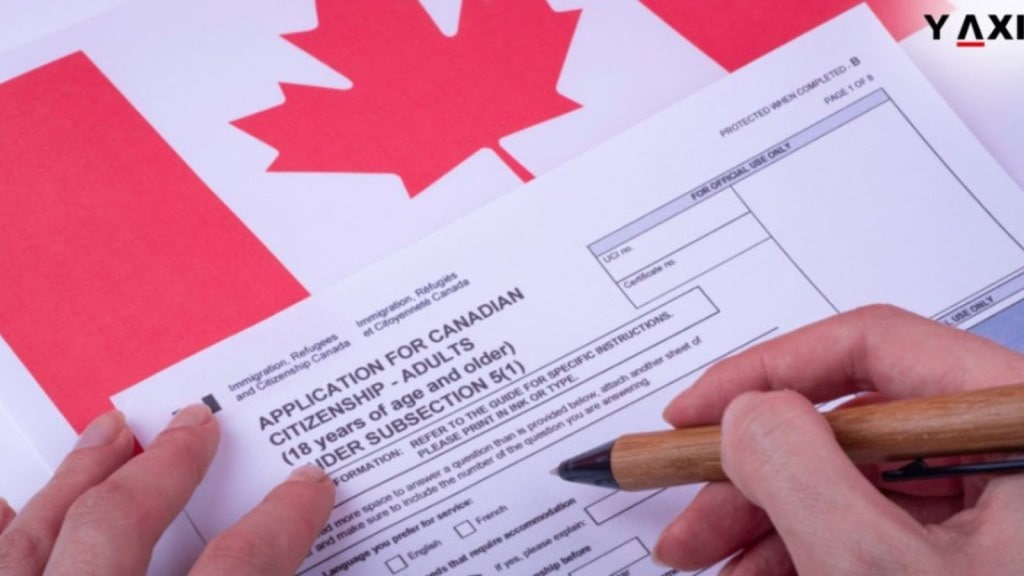
Canada has taken a major step toward fixing confusing and outdated citizenship rules. The government has passed Bill C-3, a law meant to bring fairness and clarity for families with children born or adopted outside Canada, according to a recent update from Immigration, Refugees and Citizenship Canada.
Once Bill C-3 officially comes into force, it will give Canadian citizenship to people who were left out in the past because of outdated rules. These include adults who would have been Canadian citizens if not for the first-generation limit or other outdated parts of older citizenship laws. The new update suggests many people who were unfairly excluded will finally be recognised as Canadians.
Even though the bill has been approved, it is not in force yet. The government will announce the official start date through an order in council. Until then, the current interim measures for people affected by the first-generation limit will stay in place. For more details, one can check the Citizenship section on IRCC’s official website.
Canada moves to fix long-standing citizenship problems
The new law also creates a clear and updated rule for the future. A Canadian parent who was born or adopted outside Canada will be allowed to pass on citizenship to their own child born or adopted abroad, but only if that parent has a real connection to Canada. This could include things like living in Canada for a certain period or having strong ties to the country. “ Canadian citizenship will be provided to people born before the bill comes into force, who would have been citizens if not for the first-generation limit or other outdated rules of past legislation,” according to IRCC.
Canada’s first Citizenship Act from 1947 had rules that caused many people to lose their citizenship or never get it. Later changes in 2009 and 2015 restored citizenship for many of these “lost Canadians.”
In 2009, Canada introduced the first-generation limit. Under this rule, if a Canadian parent was born or adopted outside Canada, their child born abroad did not automatically become a Canadian citizen. On December 19, 2023, the Ontario Superior Court of Justice ruled that parts of the Act dealing with the first-generation limit were unconstitutional.
The government says the new approach will keep things fair for families, while still ensuring that citizenship by descent is genuinely linked to Canada.
A modern rule for future children born abroad
Immigration Minister Lena Metlege Diab said the new law corrects existing issues in the Citizenship Act. She said it will help families with children born or adopted abroad, give citizenship to people who were previously excluded, and set clearer rules for the future. “Bill C-3 will fix long-standing issues in our citizenship laws and bring fairness to families with children born or adopted abroad. It will provide citizenship to people who were excluded by previous laws, and it will set clear rules for the future that reflect how modern families live. These changes will strengthen and protect Canadian citizenship.”
Don Chapman, founder of the Lost Canadians group, also welcomed the move. He said the changes make access to citizenship “more fair and reasonable,” especially for people who lost their citizenship because of an outdated law. “I applaud the efforts of all who supported Bill C-3, and the federal government for doing the right thing for Canadians who lost their citizenship because of an outdated law.”