



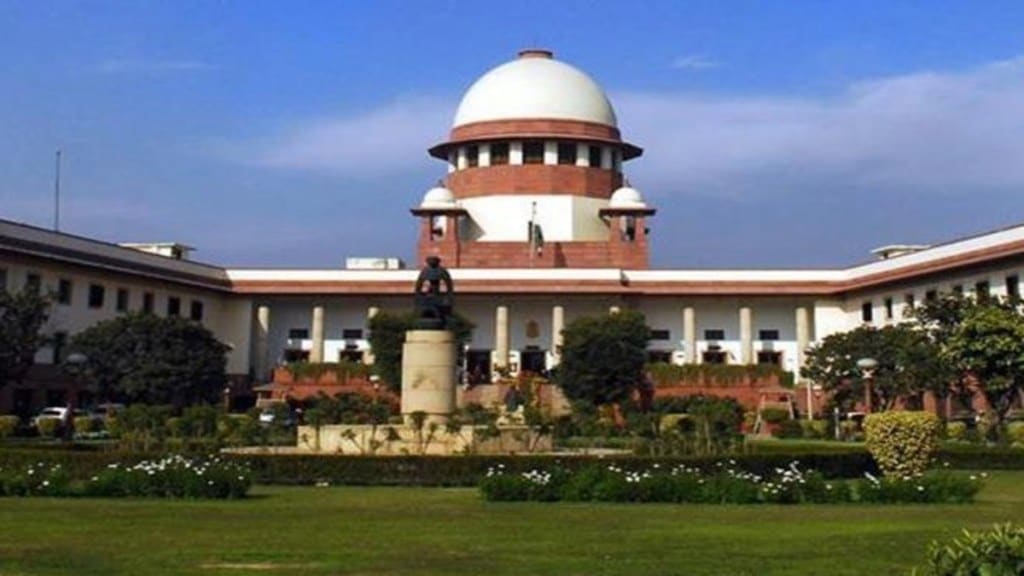
The Supreme Court of India has refused to entertain a petition seeking a ban on social media access for children below the age of 13, stating that such matters fall under the purview of the government.
A bench of Justices B.R. Gavai and A.G. Masih ruled on Friday that it was not within the Court’s jurisdiction to impose such restrictions, emphasizing that policy decisions regarding internet use and child safety should be handled by the appropriate authorities. However, the Court allowed the petitioner, the Zep Foundation, to present its concerns to the central government.
The petition highlighted growing concerns over the negative impact of unrestricted social media exposure on young children. It argued that excessive screen time and engagement with digital platforms were leading to mental health issues, including anxiety, depression, and addictive behavior. The petitioners cited studies showing that a significant number of minors spend several hours daily on social media, often consuming algorithm-driven content that fosters dependency.
Beyond a complete ban on social media for children under 13, the petition also called for stronger safeguards for teenage users. It proposed mandatory parental controls for adolescents, strict age verification systems, biometric authentication to regulate access, and penalties for social media companies failing to implement child protection measures. Additionally, it urged the government to launch awareness campaigns to educate parents, teachers, and children about the potential risks of excessive digital consumption.
While the Court refrained from making any ruling on the matter, the petition has sparked fresh discussions about online safety for minors. With social media usage rising among young users, the responsibility now lies with policymakers to determine how best to balance digital access with child protection.