



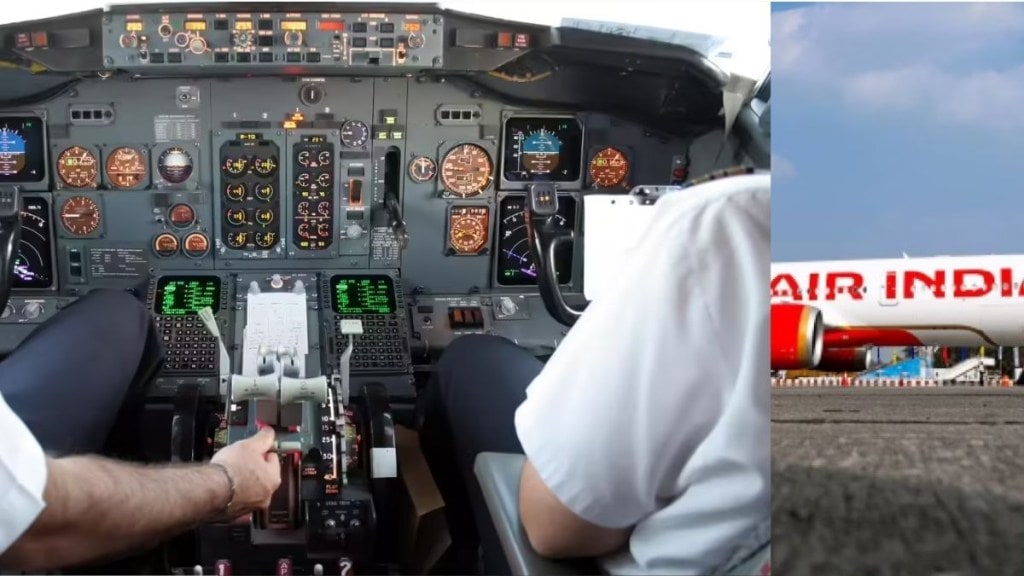
The Airline Pilots Association of India (ALPA-India) has raised concerns over pilot rostering practices at Air India Express, calling for a more transparent and accountable scheduling system and cautioning that current arrangements could pose operational and safety challenges if left unaddressed.
In a letter sent to the airline’s management and reviewed by FE, the pilots’ body said that alleged irregularities in roster allocation were leading to increased fatigue and stress among sections of the cockpit crew. The association claimed that duty schedules in some cases did not adequately factor in rest requirements or established aviation work norms, potentially affecting operational readiness.
How did the issue emerge?
The issue has emerged during a period of organisational change at Air India Express, which is part of the Tata Group and is in the process of integrating operations with AIX Connect, formerly AirAsia India. According to ALPA-India, pilots have seen a rise in roster-related issues since the integration process gathered pace, contributing to dissatisfaction among crew members.
Air India did not reply to queries related to the subject till the time of going to the press, but executives said the airline has taken note of the concerns flagged by the pilots’ association. They said an internal review has been initiated to examine the issues raised and that corrective steps would be considered if the claims are found to be valid.
What did ALPA-India say?
ALPA-India said that current scheduling patterns appeared inconsistent, with some pilots receiving duty rosters that differed significantly from others without clear explanation. The association argued that a lack of clarity and predictability in rostering could affect morale and, over time, have implications for operational efficiency.
The pilots’ body has urged the airline to put in place a formal code of conduct and standard operating procedures governing rostering practices. It said any such framework should be aligned with existing aviation regulations and designed to ensure fairness, adequate rest periods and compliance with safety norms laid down by the aviation regulator.
The association also stressed that crew welfare and fatigue management are central to flight safety and should remain a priority as airlines scale up operations and integrate workforces.