



Today’s digital age and hyper-connected environment requires banks to transform their business continuously to stay relevant. While some banks are still burdened by legacy systems and processes, most have leapfrogged into the era of innovation by adopting latest technologies including cloud computing, big data analytics, artificial intelligence and IoT, among others.
However, to gain a competitive edge, banks need to make smart adjustments to strategic and tactical priorities so that consumers across age, class and attitude feel more connected to the brand. There is a realignment of strategic priorities needed and here are some quick tips:
Humanise the brand: For most consumers, banks are among the least trusted and loved brands due to the lack of transparency and recent financial scandals adding to the woes of brand marketers. To restore the faith of their consumers, banks have started using social media to good effect — using Facebook for sharing information and Twitter for handling complaints, but the focus needs to shift more on storytelling with a heavy dose of visuals amplified through various social media channels. For instance, Instagram and Tumblr can take banks closer to consumers. Consider how a UK-based bank recently partnered with Yahoo Storytellers to promote financial education to the masses via Tumblr.
Also Watch:
Partner fintechs: With the advent of disruptive technologies and innovations taking over the banking sector, strategic partnerships with fintechs to provide value-added services is the next step forward. Fintechs can prove invaluable in enhancing consumer experience in the wake of the open API trend (entailing banks to open up data to third party developers).
Leading banks such as HSBC and National Australia Bank have already opened API developer portals, realising the rewards of being early in this transformational initiative. Banks also have access to more data than other industries. Partnership with fintechs in developing advance analytical ability will prove crucial in mapping consumers with relevant promotions, offers and content. Analytics will ensure consumer engagement in all stages of the purchase journey. Indian banks are also actively pursuing partnerships with fintechs. For instance, IDFC Bank partnered with a fintech in the alternative lending space following the government’s demonetisation drive and push for digital payments. Similarly, Bank of Baroda recently partnered with seven fintechs working across algorithmic lending, retail lending, bill discounting and wealth management.
Then there are also tactical priorities that need be fine-tuned. These include:
Experiential segmentation: Banks need to employ newer approaches to segment consumers. A 360-degree approach can be used to gather consumer data across touchpoints and segmentation on the basis of attitude can prove to be really helpful. As per a study conducted by Network Research in the UK, the concern for data security is almost equal for people above 65 years of age as it is for age groups 25-34.
Another way of segmentation can be based on the spending data of consumers following which financial products can be marketed appropriately. A recent PWC survey also found fairly similar use of digital channels for financial management across age groups, thus trumping digital behaviour for demographics as a basis of segmentation. For example, TD Bank is seeking to adopt a new consumer targeting approach, by gauging contextual needs through its app to provide in the moment experiences such as special nearby offers, health tips and events.
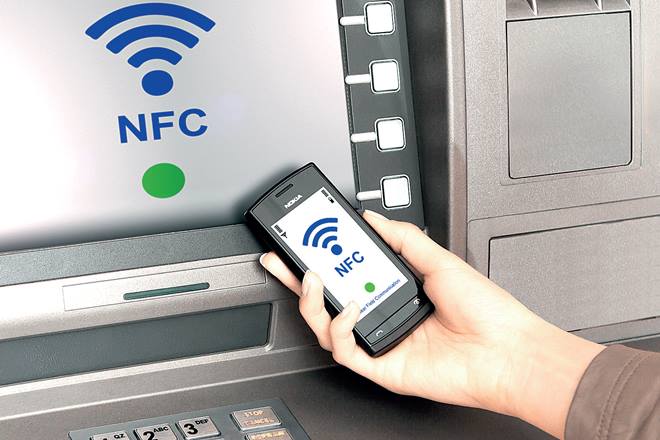
n Revitalise ATMs: ATMs will continue to remain an important touchpoint for all consumers. Going forward, a new approach with a heavy focus on the design element to use this important channel can be an effective consumer outreach strategy for banks. Singapore-based DBS Bank redesigned the entire user interface of its ATMs based on the behavioural analysis, slashed queue time by lakhs of hours and halved the sequential transactions. Additionally, Internet of Things (IoT) is expected to have a huge impact on banks and ATMs can play a vital role in the interaction with smart devices. Beacon technology can identify consumers as they approach ATMs, and in conjunction with apps and Bluetooth can provide targeted marketing offers to them based on their personal preferences and financial needs.
A deep level of engagement with consumers is not just desirable for banks but a necessary step forward to retain the lucrative parts of the business. However, the success will solely depend on the level of differentiation in the banking experience that is being offered to the customer. Banks not only need to follow the best practices of the industry but also need to inculcate an innovative streak in their DNA to delight and surprise consumers all along their engagement journey.
Chitranjan Sood
The author is senior manager, business consulting, SapientNitro