



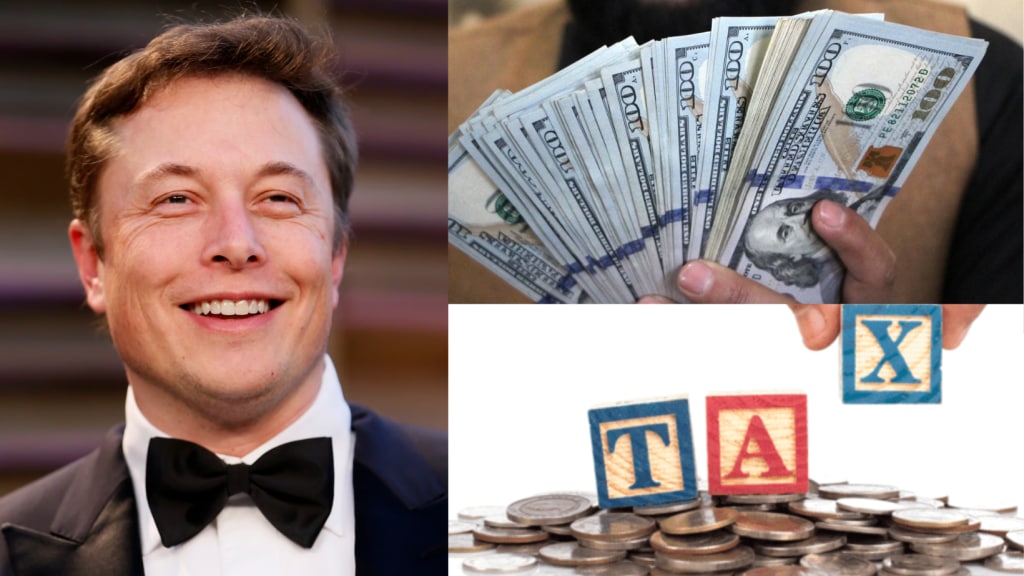
As the year turned, Elon Musk did something that barely registered against the scale of his fortune, but spoke volumes about timing and intent. Tesla CEO gifted roughly 210,000 Tesla shares, valued at close to $100 million, to undisclosed charities, according to an SEC filing released midweek.
The filing described the transfer as part of “year-end tax planning.” It did not name the recipients, although it noted that the charities had indicated no immediate plans to sell the shares. At Musk’s current net worth, estimated at $619 billion by Bloomberg, the donation is a decent one.
Control is the real currency
Musk’s philanthropy comes as he continues to push for greater control over Tesla, a company he has led as CEO since 2008 but where he has repeatedly argued his ownership stake is insufficient. Over the past year, Musk has been unusually vocal about his concerns.
In January, he warned that he would be uncomfortable scaling Tesla’s AI and robotics ambitions without at least 25% voting control. By October, the message had sharpened further: he said he did not want to build what he called a “robot army” if there was a risk he could be removed as CEO. In Musk’s framing, control is not about ego, it is about insurance.
The trillion-dollar pay package
That insurance may soon arrive. In November, Tesla shareholders approved a new pay package for Musk that could ultimately be worth up to $1 trillion, making it one of the most extraordinary compensation plans in corporate history.
If Tesla hits a series of aggressive product, market, and financial milestones over the next decade, Musk’s stake in the company could rise from roughly 13% to nearly 29%, comfortably above the threshold he has said he needs to pursue Tesla’s long-term AI vision. The donation, then, reads less like an isolated act of generosity and more like a footnote in a much larger strategy.
A nervous week for Tesla
The timing is notable. Tesla is heading into a crucial reporting week, with annual sales figures expected on Friday. Expectations are already subdued. In an unusual step, Tesla itself published a pessimistic analyst consensus earlier this week, forecasting that the company could report an annual sales decline for the second consecutive year.
Tesla’s past year has been anything but smooth. Vehicle sales have fallen in key markets like China and Europe. Yet the company’s stock price has surged to record highs, driven by investor belief in Musk’s vision, particularly around robotaxis and autonomous driving. The gap between current performance and future promise has rarely been wider.