



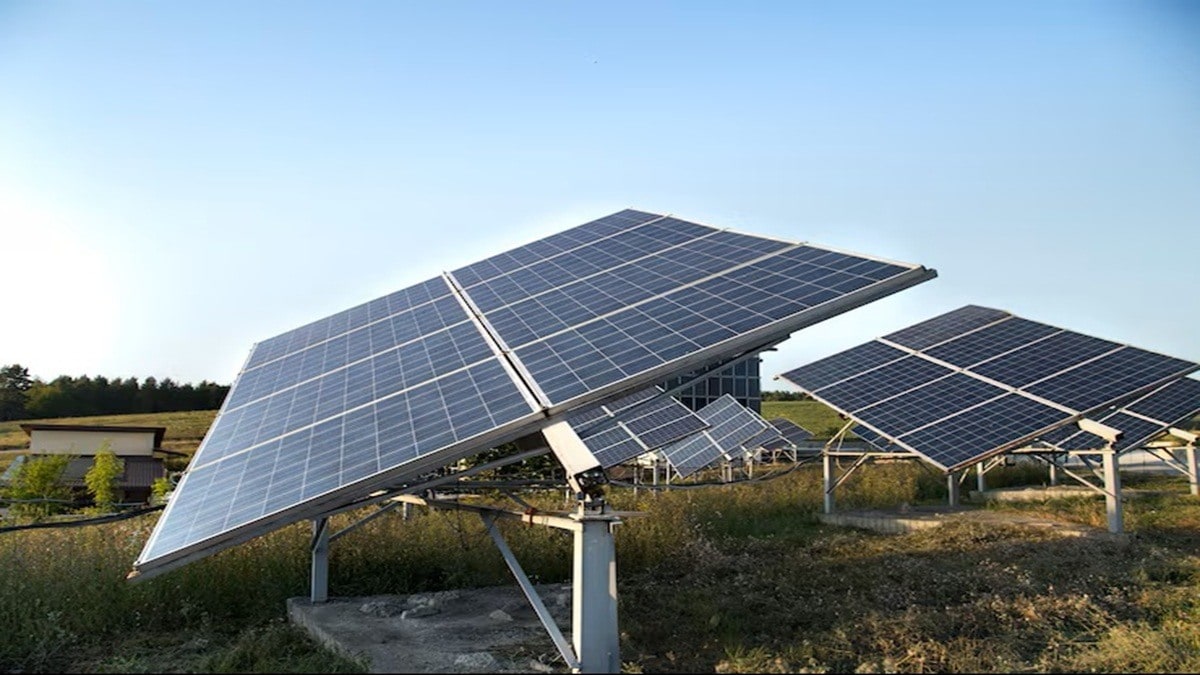
India’s energy investment is projected to hit a record $170 billion in 2026, driven by rapid expansion in solar photovoltaic (PV) capacity and a surge in oil‑refining projects, as per a report by International Energy Agency (IEA) said.
Energy spending in India has risen at an average annual rate of 11% over the past five years, with solar PV investment up about 25% annually and oil‑refining investment growing roughly 23% in the same period.
Whereas the investment has grown 11% annually on average in the past five years and is set to reach $170 billion in 2026. “Investment in solar PV grew annually by 25% in this period and oil refining by 23%,” the IEA said, noting that the two sectors together accounted for roughly one‑quarter of the increase in overall energy spending.
Solar and refining fuel growth
A sharp rise in solar and wind deployments has pushed non-fossil sources to over 50% of installed generation capacity, while solar investment alone reached about $20 billion in 2025.
This comes as India has significantly accelerated its push for renewable energy investment. In the Union Budget 2026–27 (FY27), the allocation for the Ministry of New and Renewable Energy (MNRE) was raised to Rs 329.14 billion from Rs 265.49 billion in FY26. The solar sector alone received an allocation of Rs 305.39 billion, up from Rs 242.24 billion in the previous year.
India targets 15% refining capacity expansion by 2030
Refining capacity expansion has placed India on track to increase crude processing capacity by nearly 15% by 2030, the report said, even as the country remains heavily reliant on imported crude.
This push is particularly salient in light of current geopolitical risks due to the Iran-US war which has disrupted the Strait of Hormuz, which carries a large share of global oil and gas shipments.
Upstream oil and gas investment, by contrast, has contracted—down on average 7% a year since 2020—prompting India to roll out a new licensing regime aimed at attracting fresh exploration and production capital.
India remains world’s second-largest investor in coal supply
Despite the renewable boom, coal continues to underpin India’s power generation and industrial energy needs.
Coal supply investment is set to reach $13 billion in 2026 as the government pushes to increase domestic coal production to 1.5 billion tonnes by 2030 from about 1 billion tonnes currently.
The IEA explicitly states that India is the world’s second-largest investor in coal supply, with coal investments tripling over the past decade. India remains the second-largest coal producer globally and has been opening commercial coal mines to reduce import dependence and support domestic energy security.
At the same time, investment in coal‑fired generation has fallen dramatically from earlier highs, and India now invests roughly three dollars in renewables and nuclear for every dollar spent on fossil fuel generation—up from 1.5 dollars five years ago.
This dual strategy—accelerating clean energy while maintaining robust coal supply—reflects a pragmatic approach to energy security amid volatile global markets and intermittent renewable output.
Grid upgrades, storage and dispatchable power: Enabling backbone for 500 GW by 2030
The rapid deployment of variable renewables has made grid upgrades and storage a priority.
“The increase in variable renewable electricity from these two sources has necessitated power‑sector infrastructure upgrades to avoid curtailment,” the IEA said, highlighting rising investment in transmission, distribution, battery storage and dispatchable generation. Transmission and distribution investment is expected to reach about $26 billion in 2026 after expanding at roughly 15% annually over the past five years. India’s Green Energy Corridor has already added more than 3,000 km of transmission lines, and further phases are under development.
Energy storage is scaling rapidly. Pure energy storage system (ESS) tenders crossed 100 GWh in 2025, more than double the prior year and over ten times 2023 levels, with battery tenders making up 60 GWh. As deployment scaled, battery storage tariffs fell from roughly $14,700/MW/month in 2023 to under $3,000/MW/month in 2025. The Central Electricity Authority’s roadmap targets 100 GW of pumped storage by 2035–36, and the government has established viability‑gap funding through the Power System Development Fund to crowd in investment, subject to a 20% local‑content requirement.
Curtailment risks and storage scale-up
Clean‑energy think tanks have warned that grid expansion has not kept pace with renewable additions, increasing curtailment and threatening the momentum of the solar and wind build‑out. Ember estimated grid and transmission constraints were responsible for nearly two‑thirds of all renewable curtailment, accounting for about 300 GWh in the first quarter of the year. To address intermittency, India has rapidly scaled up energy storage. Dispatchable non‑fossil investments also rose- investments in hydropower and nuclear have tripled since 2020. New reforms introduced in 2025 opened the nuclear sector to private participation (up to 49% foreign equity), with an ambitious long‑term target of 100 GW of nuclear capacity by 2047, up from roughly 9 GW today.
Sectoral shifts and policy incentives
Power‑sector investment now accounts for roughly half of India’s total energy spending. End‑use energy investment led by efficiency measures reached about $18 billion, while electric‑vehicle investment, though growing fast, remains modest at around $2 billion.
The government has supported energy storage growth through viability‑gap funding and domestic content incentives under the Power System Development Fund, and hybrid (wind‑solar) tenders have surged—accounting for more than half of the 63 GW awarded in 2024. Challenges remain, including some under‑subscriptions and cancelled tenders, but policy reforms and market mechanisms are steadily attracting capital across clean and dispatchable technologies.
What does this mean for India’s energy security and global oil markets?
The investment mix- aggressive solar build‑out, a major refining expansion, grid modernisation, storage scale‑up and continued coal investment—reflects a strategy to balance decarbonisation with energy security.
With the Strait of Hormuz at the centre of geopolitical risk (recent disruptions have threatened oil and gas flows and also raised global prices), India’s focus on refining capacity and domestic fuel processing is a deliberate hedge against supply shocks. At the same time, the country’s heavy investment in storage and dispatchable sources (hydro, nuclear, pumped storage) is designed to manage the intermittency of solar and wind and ensure reliable power delivery.
India’s energy investment plan for 2026 and beyond prioritises green energy and oil refining as twin pillars- driven by climate goals, industrial competitiveness, and geopolitical risk management- while maintaining coal as a critical backbone for energy security.
The scale and integration of these investments, from Rs 329.14 billion to MNRE and $26 billion for grid upgrades to $13 billion in coal supply, position India to pursue its 500 GW non‑fossil capacity target by 2030 and 100 GW of nuclear capacity by 2047, even as it navigates volatile global markets and strategic chokepoints like the Strait of Hormuz.
As the IEA report concluded, India’s simultaneous push to increase refining capacity, boost renewables, modernise grids and scale storage will shape both its domestic energy security and the global energy landscape in the coming decade.