



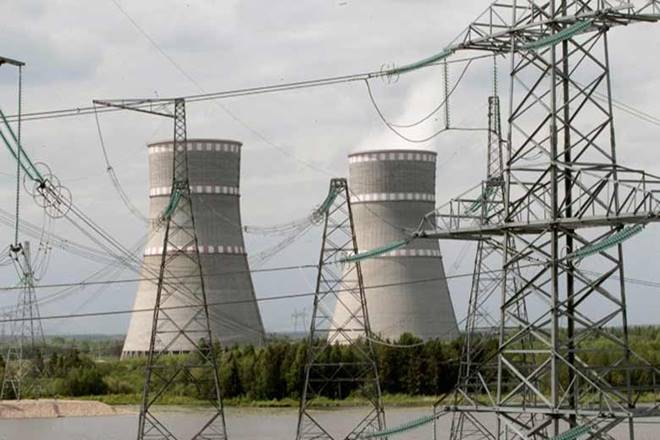
A wide array of efforts have been undertaken to clear Delhi’s clogged lungs. But, brick kilns and thermal power plants in the national capital region (NCR) are severely lagging the emission standards that had been prescribed for them. While the green ministry had set new emission norms for thermal power plants across the country, the Environment Pollution (Prevention and Control) Authority (EPCA) had ordered all brick kilns in the NCR to switch to ‘zig-zag’ technology that reduces the emission of noxious sulphur dioxide and carbon fumes by as much as 50-70% by October this year. The Centre for Science and Environment (CSE), in two just-released studies, says that the ministry’s directive and the EPCA’s order have fallen on deaf ears. While just 20% of the surveyed brick kilns in the NCR have shifted to the technology, 80% of the thermal power plants in the region will not be able to meet the green ministry’s December 2019 deadline to convert to cleaner generation technologies and meet the emission norms.
However, the problems are not just at the polluters’ end. The Central Pollution Control Board changed its prescription of appropriate technology twice within 12 months in 2015-16, while last year, the EPCA mandated that all brick kilns in the NCR must adopt ‘zig zag’ technology. Technologies evolve rapidly, it is true, but keeping pace could prove just as back-breaking for brick kilns. Adopting ‘zig zag’, for instance, costs brick kilns `10 lakh. These primarily small scale industries cannot keep up with rapidly evolving green compliance norms if each time the costs are this high. This is not to say that they should not be asked to meet stricter emission standards. On the contrary, given India had some 42,000 brick kilns in 2014, burning some 4-5 million metric tonnes of coal—the numbers would have likely increased by now—strict green norms are necessary. But, the government must incentivise the adoption of costly technology.