



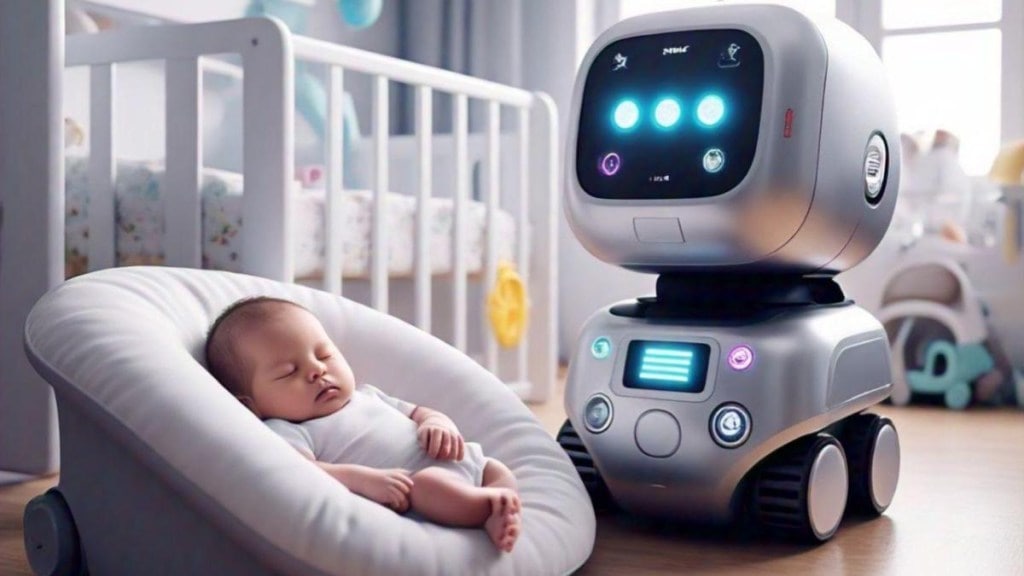
On January 1, a new generation was born – called Generation Beta, which will include those born between the years 2025 and 2039.
Each generation has had different sensibilities than the younger. The Pew Research Center has been studying the millennial generation for more than a decade, measuring public attitudes on key issues and documenting differences in those attitudes across demographic groups.
WWII born from 1922-1927 to Post War (1928-1945), Boomers I (1946-1954) to Boomers II (1955-1964), the oldest of the generation always have different sensibilities than the younger. Gen X (1965-1980), Millennials (1981-1996) and Gen Z (1997-2012) have already seen and experienced a different life and time.
But Generation Beta is a population that will be born in an era of smart lifestyle choices with artificial intelligence integrated into almost each and every segment of life. The Beta kids will be a step above Generation Alpha, who were until now the most globally connected generation of children ever.
As per social researcher, demographer and futurist Mark McCrindle, Generation Beta, by 2035, will make up 16% of the global population, they will be the children of younger Gen Ys (millennials) and older Gen Zs, and many will live to see the 22nd century. McCrindle has co-authored a book titled Generation Alpha, those born between 2010 and 2024, where he points out how Alpha, the term he coined, is all about understanding and empowering this generation, the significance of technology, the future of work and their consumer habits and their role as influencers. In his online blog, McCrindle has defined the generational shift by the events, technologies, and cultural shifts of their time. Generation Beta represents a pivotal chapter in our evolving world. But who will Generation Beta be and what factors will shape their values, behaviours, and aspirations?
Since Generation Beta will be born in an AI-integrated era, they will live in a data generated world — be it education, workplaces, healthcare and entertainment. With wearable health tech, and virtual environments in almost every aspect of life, their social interactions and learning will always be tech-driven. Today, Beta will automatically become a part of Gemini Live, a voice-powered AI chat feature in the Google Gemini app allows users to have conversations with the app, or Daisy the AI ‘granny’, a telecom giant O2’s new weapon to bait phone scammers.
Generation Beta will leverage technology as a tool for education, connection, interaction and entertainment but it is also a challenge for these kids to consciously understand the potential shortcomings of technology. Parents will have a hard time limiting kids’ screen time and so this will be the case with the new generation as well.
On the other hand, the digital wisdom coming from Gen Z and millennial parents will always help Beta to navigate and redefine priorities.
Lest we forget that climate change and sustainability are some of the pressing issues of our times, this generation will be born into an era to witness all this amid rapid urbanisation. As a result this co-existence will help them lead and adapt to new changes more easily and swiftly. These will also be expected to lead the way by not just determining clear-cut goals but implementing them in a more concrete and organised manner. For instance, equality, and eco-consciousness will be part of their parenting, who are either Millennial or older Gen Zs. They will also widely accept a collaborative and community based interaction, and will effortlessly adopt innovation and creativity for comfort. This, as a result, will also help them determine more solutions and face more challenges.
Beta, on the other hand, will be a generation born and growing up with social media, so it is likely to shape their priorities right from start. We will see the next range of birth dates after Alpha and Beta to Generation Gamma (b. 2040-2054), Generation Delta (b. 2055- 2069), and so on.