



For years, sugar has been blamed for a range of health problems, from weight gain to heart disease. As a result, many people now try to avoid sugary foods and opt for products labelled sugar-free, low sugar or diet-friendly. But according to Dr Eric Berg, a nutrition researcher and weight loss expert, another ingredient hidden in everyday food may be just as harmful, if not worse. That ingredient is maltodextrin.
Dr Berg recently took to X, formerly Twitter, to warn people about maltodextrin, calling it the worst ingredient hiding in packaged foods. But what is it?
Maltodextrin is the WORST ingredient hiding in your food!
— Dr. Eric Berg (@dr_ericberg) December 15, 2025
It’s a refined starchy carbohydrate made by artificially bonding a cluster of sugar molecules. It’s highly processed and typically used as a filler in a wide range of packaged and processed foods.
Manufacturers use… pic.twitter.com/dWjsRNInnE
What exactly is maltodextrin?
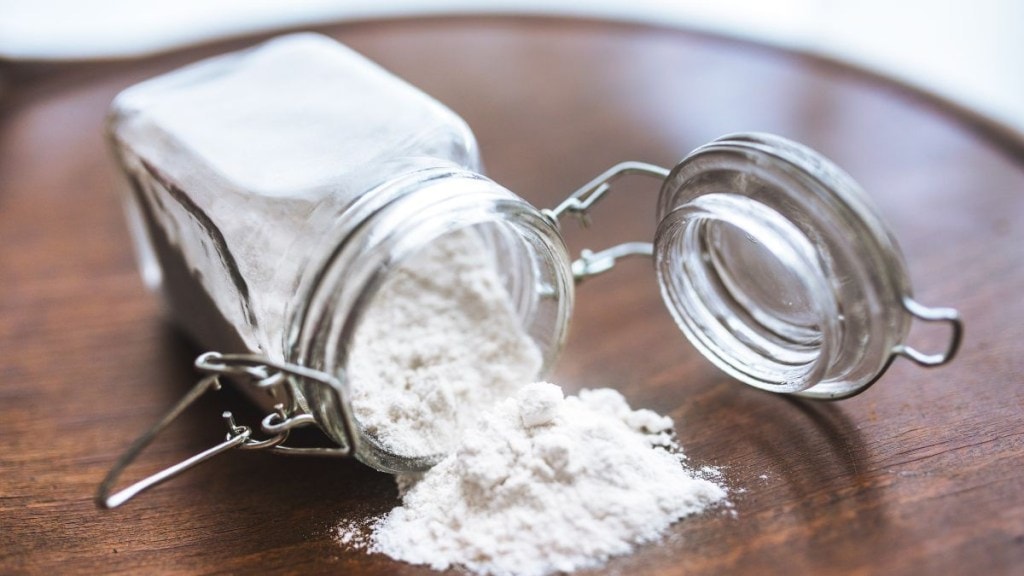
As per Mayo Clinic, Maltodextrin is a highly processed carbohydrate made from starch. It is most commonly derived from corn, though it can also be made from rice, wheat or potatoes. During manufacturing, starch is broken down using acids or enzymes into shorter glucose chains. The final product is a fine white powder with very little taste or smell.
Because it dissolves easily and blends well with other ingredients, maltodextrin is widely used in packaged foods. It helps improve texture, thickness and shelf life, making it a preferred choice for food manufacturers.
Why food companies use maltodextrin so widely
One major reason maltodextrin is used so often is because it does not need to be listed as sugar on nutrition labels. This allows manufacturers to market products as sugar-free or low sugar, even though maltodextrin can significantly raise blood sugar levels.
Dr Eric Berg, in one of his blog posts, explained that maltodextrin is commonly used as a filler, bulking agent and preservative. He warned that people trying to cut down on sugar may still be consuming large amounts of it unknowingly.
How maltodextrin affects blood sugar
Although maltodextrin is classified as a starch, it has a very high glycaemic index. In many cases, it raises blood sugar levels faster than table sugar. Once consumed, it is quickly broken down into glucose and absorbed into the bloodstream.
Frequent blood sugar spikes can strain the body’s insulin response. Over time, this may lead to insulin resistance, a condition where cells struggle to absorb glucose efficiently. Insulin resistance is closely linked to type 2 diabetes, metabolic syndrome, obesity and heart disease.
Impact on gut health
Maltodextrin has also been linked to problems in the digestive system. Research suggests that it can disrupt the balance of gut bacteria by reducing beneficial microbes while promoting harmful ones.
A study published in the journal PLOS One found that maltodextrin enhanced the ability of harmful strains of Escherichia coli (E. coli) to adhere to intestinal cells. Researchers suggested this could help explain why diets high in processed carbohydrates may contribute to gut imbalance and increased disease risk.
The same research also noted that maltodextrin may weaken the protective mucus layer of the intestines, increasing inflammation and making the gut more vulnerable to infection.
Links to genetically modified ingredients
Most maltodextrin is produced from genetically modified corn. GMO crops are often treated with chemical herbicides such as glyphosate.
In 2015, the International Agency for Research on Cancer (IARC), a part of the World Health Organization, classified glyphosate as “probably carcinogenic to humans.” This classification raised global concerns about long-term exposure to the chemical.
Further research has supported these concerns. A study published in the International Journal of Molecular Sciences reported that glyphosate exposure significantly impaired liver and kidney function in animals, highlighting potential long-term risks.
Why maltodextrin may lead to weight gain
Maltodextrin is digested very quickly, leading to a sharp rise in blood sugar followed by a sudden drop. These fluctuations can cause fatigue, hunger and strong cravings for sugar or refined carbohydrates.
Over time, frequent cravings may result in overeating and weight gain. Maltodextrin also provides four calories per gram, the same as sugar, but offers little to no nutritional value, such as fibre or essential vitamins.
Foods that commonly contain maltodextrin
Maltodextrin is found in many everyday foods. These include chips, crackers, cookies, baked goods, instant noodles and frozen meals. It is also commonly added to sports drinks, energy drinks and flavoured beverages.
Even foods marketed as healthy often contain maltodextrin. Gluten-free products, low-fat items, protein powders, meal replacement shakes and artificial sweeteners frequently rely on it to improve texture and shelf life.
Hidden names on food labels
One reason maltodextrin is hard to avoid is because it appears under different names on ingredient lists. These include modified cornstarch, modified food starch, glucose polymer, dextrin and rice starch. In some cases, it may even be listed under vague terms such as natural flavours.
This makes careful label reading essential, especially for people managing blood sugar or digestive health.
Healthier alternatives to consider
For those looking to avoid maltodextrin, experts suggest choosing alternatives such as stevia, monk fruit, erythritol and allulose. These sweeteners have minimal impact on blood sugar levels when used in pure forms.
However, experts caution that many sugar substitutes are still blended with maltodextrin, which can rule out their benefits. Checking ingredient lists remains important.