



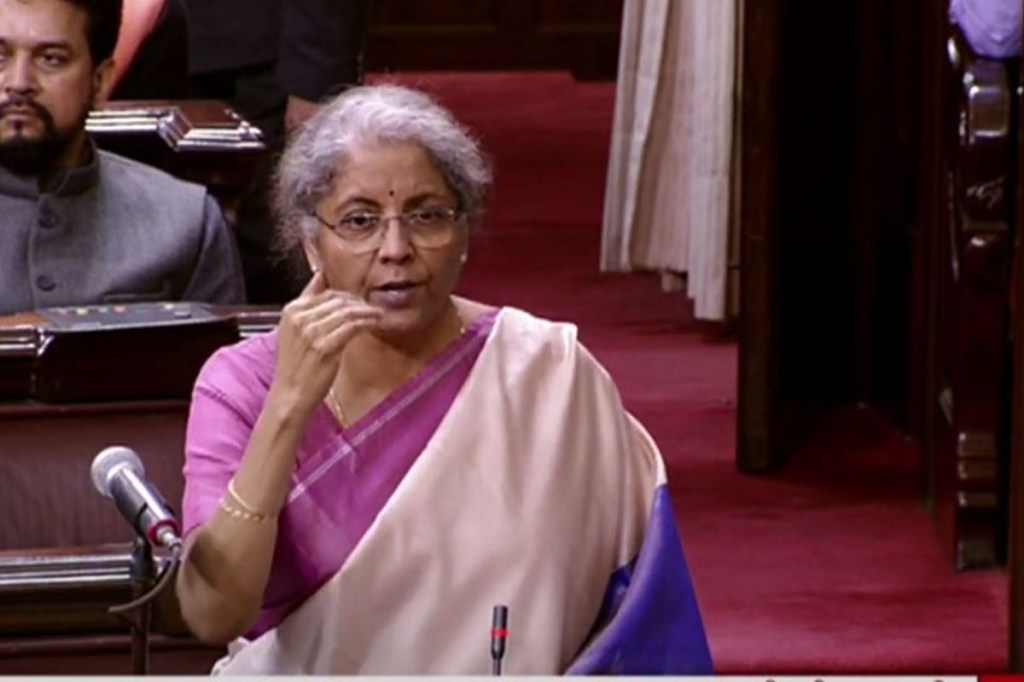
Finance Minister Nirmala Sitharaman yesterday tabled the Taxation Laws (Amendment) Bill, 2021 in the Lok Sabha that seeks to withdraw tax demands made using a 2012 retrospective legislation to tax the indirect transfer of Indian assets. However, it took the NDA government over seven years and prospects of an adverse verdict in an international arbitration case to course-correct and withdraw the legislation introduced in March 2012.
The move provides clarity to foreign investors as it removes a major source of ambiguity on the taxation laws. When then Finance Minister Pranab Mukherjee presented the Union Budget 2012-13, he did not directly mention the issue of retrospective taxation. However, a close look at the Finance Bill and the Budget memorandum revealed the controversial amendments to the tax laws that came into effect retrospectively.
The law was brought in after a Supreme Court verdict which held that Vodafone cannot be taxed for its 2007 purchase of a 67 per cent stake in Hutchison Whampoa for $11 billion. However, Mukherjee did not agree and brought the legislation despite reservations from his Cabinet colleagues.
The BJP which was in opposition at that time had called retro taxation ‘tax terrorism’. Arun Jaitley, who took over as the finance minister in the Modi government in 2014, was vocal against retrospective taxation. In his July 2014 Budget, he had said that the government won’t create a fresh tax liability retrospectively.
He also termed the Vodafone tax issue erroneous and said the law will scare investors. However, the NDA government did not move to withdraw the law.
The government’s latest decision to dump the contentious law comes after it suffered a setback in its arbitration case against Cairn Energy and a Paris court had even ordered to freeze Indian assets there last month.
In both – Cairn and the Vodafone tax case, the international arbitration order was unanimously against the government.
Pranab Mukherjee had even wondered in his book why successive finance ministers after him have not repealed the law choosing to continue with it.
Though delayed, the Modi government’s decision sends out a loud message to investors that India is ready to course-correct and take a step back if circumstances around it are not favourable.