



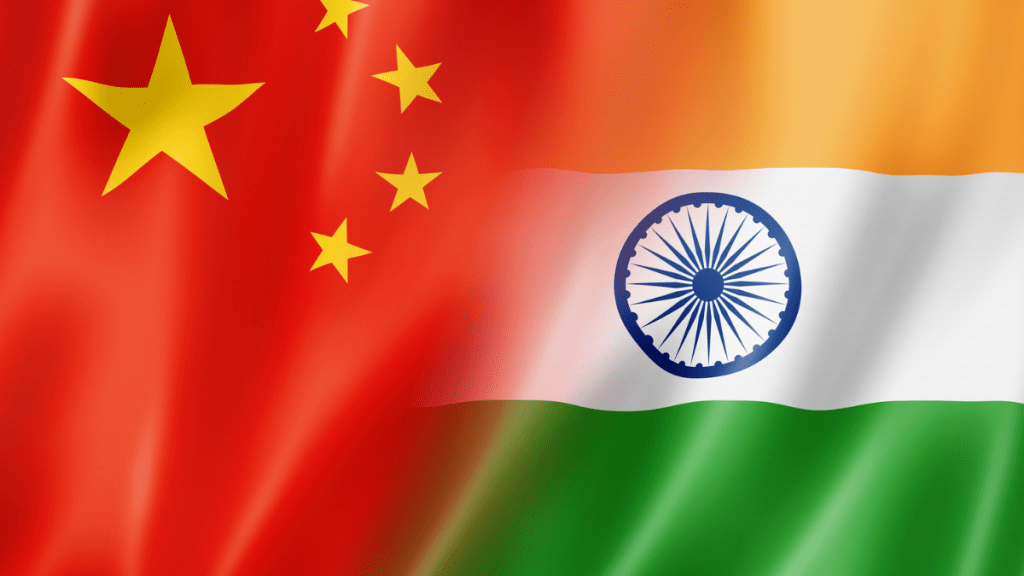
India’s finance ministry is considering rolling back restrictions imposed on Chinese companies bidding for government contracts, sources told Reuters, signalling a cautious reset in commercial ties between New Delhi and Beijing amid easing border tensions.
The curbs were introduced in 2020 following a deadly clash between Indian and Chinese troops along the Line of Actual Control. Under the rules, Chinese firms were required to register with a government committee and secure political and security clearances, a process that effectively shut them out of public procurement contracts estimated to affect projects worth between $700 billion and $750 billion.
One of the sources told Reuters officials are working to remove the mandatory registration requirement, though the final decision will rest with Prime Minister Narendra Modi’s office. Both sources told Reuters they were not authorised to speak publicly.
Restrictions triggered project delays and supply gaps
Government departments flagged supply shortages and project delays following the 2020 decision, sources told Reuters, prompting a review of the policy. Soon after the restrictions were enforced, China’s state-owned CRRC was disqualified from bidding for a $216 million train manufacturing contract.
A high-level committee led by former cabinet secretary Rajiv Gauba has recommended easing the curbs, sources told Reuters. Gauba currently serves on a government-linked think tank. Data cited by the Observer Research Foundation showed that new projects awarded to Chinese firms dropped 27% year-on-year to $1.67 billion in 2021 after the restrictions were introduced.
The impact has been particularly visible in the power sector, where limits on Chinese equipment imports have slowed India’s plans to expand thermal power capacity to around 307 GW over the next decade.
Global trade shifts influence India-China recalibration
Markets reacted sharply to the Reuters report, with shares of Bharat Heavy Electricals falling 10.5% and Larsen & Toubro declining 3.1%, amid concerns that Chinese firms could re-enter bidding for major government contracts.
The possible policy shift comes amid changing global trade dynamics. Last year, Modi visited China for the first time in seven years and agreed to foster deeper commercial engagement following U.S. President Donald Trump’s decision to impose a 50% tariff on Indian goods and Washington’s warming ties with Pakistan. India and China subsequently resumed direct flights and eased visa processes for Chinese professionals.
Despite the improvement in ties, New Delhi remains cautious. Restrictions on Chinese foreign direct investment continue, while uncertainty over a potential India-U.S. trade agreement could further influence the pace and scale of engagement with Beijing, analysts said.