



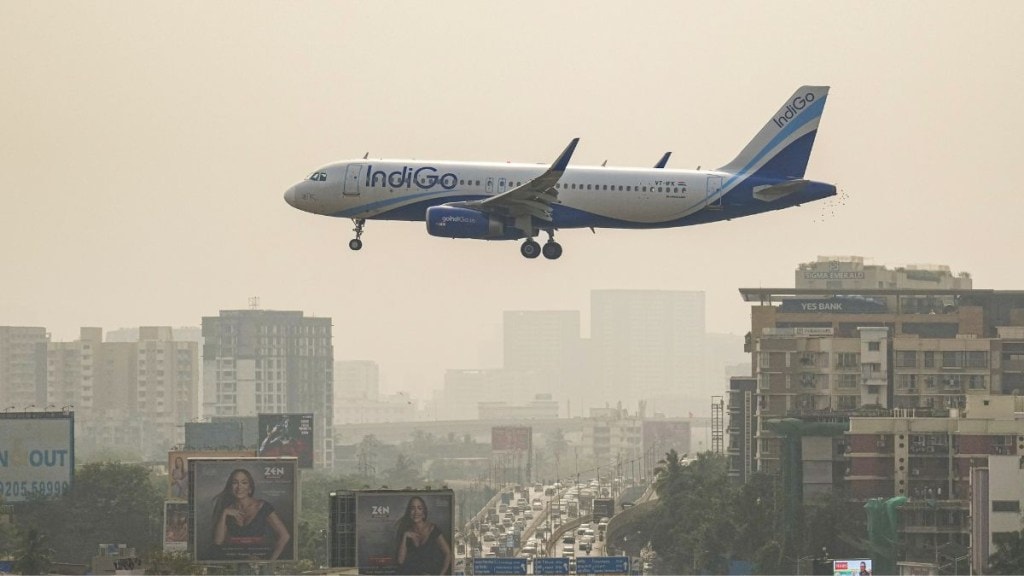
After six days of mayhem, IndiGo says operations are stabilising, but PTI reported nearly 220 cancellations on Wednesday as well. Given the ongoing struggle, Crisil Ratings has placed InterGlobe Aviation, the parent company of IndiGo, on ‘Rating Watch with Developing Implications’, revising it from the earlier Positive outlook.
“IndiGo can confirm that after days of significant and steady improvement across the network, we have reinstated our operations across our network. This means all flights published on our website are scheduled to operate with an adjusted network,” the airline said in its regulatory filing on December 9.
Crisil said, it will revise the rating once there is clarity on the duration and impact of the operational disruption. “Crisil Ratings will continue to monitor the developments in this regard, assess their likely impact on the credit risk profile of IndiGo, and take appropriate rating action,” the agency noted.
Crisil highlighted key factors that could impact the rating.
#1 Multi-layered disruption- key concern
Crisil Ratings said the disruptions — triggered by a mix of operational and external factors — could potentially impact the airline’s financial and operating performance, depending on how quickly normalcy returns. The government’s intervention and the ongoing inquiry add another layer of uncertainty for IndiGo.
The DGCA’s recent order of 10% reduction in Indigo’s domestic winter schedule. This could also affect the airline’s operations.
#2 Margin pressures and weak yields a major concern
Another factor that could hurt IndiGo’s Rating is its operating profitability. Crisil warned that if its operating profitability weakens for a prolonged period. A sustained decline in yields or passenger load factors, or a rise in operating costs, could erode margins and signal stress in the airline’s core performance.
#3 Crisil flags fuel and forex risks
Crisil noted that volatility in crude and forex movements impacts IndiGo’s operating costs. Global crude prices directly influence aviation turbine fuel (ATF), which accounts for 35–40% of an airline’s operating expenses. Crisil said elevated ATF prices and high fixed costs have affected IndiGo’s operating margins in the past, and margin movement driven by fuel price volatility will remain monitorable.
The airline is also exposed to forex fluctuations, as 30–35% of its operating costs—including lease rentals and maintenance—are denominated in USD. CFO Gaurav Negi said that in Q2FY26, IndiGo’s net USD exposure stood at around $9 billion, adding that every rupee depreciation results in a foreign exchange loss of nearly Rs 900 crore.
Crisil highlighted that IndiGo manages this exposure through natural hedges created by international revenue streams and forex-linked inflows from supplier arrangements. The airline has also begun partially hedging its positions through derivatives on a rolling basis and holds sizeable forex-denominated deposits, which further help mitigate the risk. IndiGo recognised Rs 2 billion in hedge gains during the quarter.
#4 Weak liquidity position may weigh on ratings
The rating could also be revised lower if IndiGo’s net debt to EBITDAR ratio stays above 3 times due to a sharp rise in lease liabilities. In Q2FY26, Its EBITDAR margin fell to 17.5% from 22.6% a year earlier due to geopolitical challenges in the first quarter and foreign exchange losses in the second.
#5 IndiGo’s dominant market share, liquidity bolster rating comfort
However, Crisil Ratings also noted that IndiGo has several strengths that could act as upward rating triggers. These include IndiGo’s dominant position in the Indian aviation market, with a ~64% domestic market share in the first half of fiscal 2026. The airline has also expanded aggressively, supported by large aircraft orders. Its fleet stood at 417 aircraft as of September 2025, and deliveries from its order book of over 900 aircraft are expected to further strengthen its already strong market position.
Historically, IndiGo has also performed well on key operational parameters such as passenger load factor (PLF), on-time performance, and cancellation rate.
According to Crisil, IndiGo’s unencumbered liquidity remains adequate, with cash and equivalents of Rs 38,517 crore as on September 30. The airline aims to maintain sufficient liquidity buffers to manage costs and absorb industry volatility. The company also had an undrawn working capital limit of Rs 2,680 crore as on March 31.