



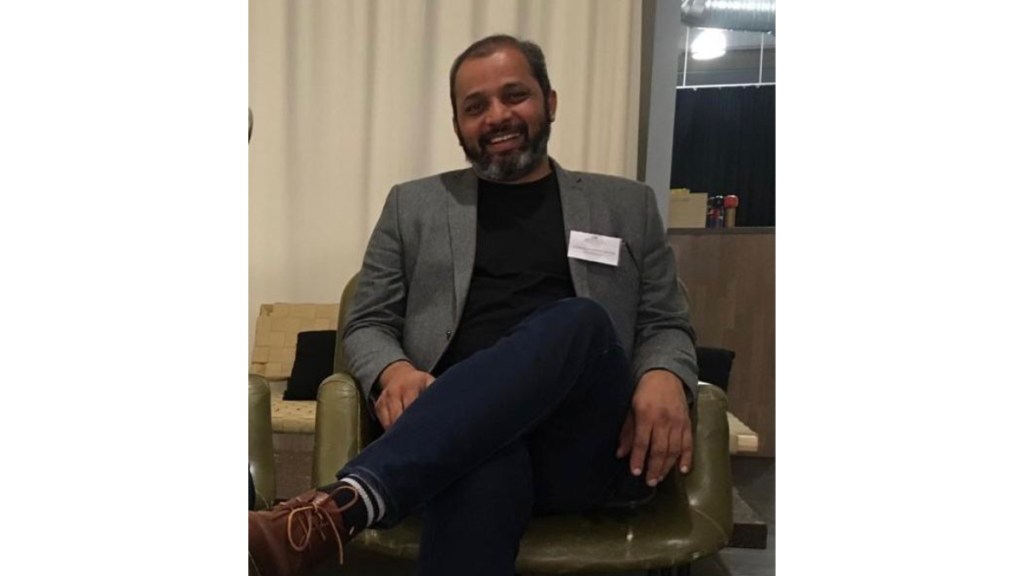
As the Festival of Creativity in its 70th-year returns between June 19–23, there is already a feel of thrill and excitement in the ad-land. With last year being a cracker of a year for India with its winning a Grand Prix, hopes are high this year too. In a conversation with BrandWagon Online, Shekhar Badve, founder, Lokusdesign, talks about his expectations from this year’s entries as a jury member in the Design Lion category and trends which were eye-catching. (Edited Excerpts)
Last year at Cannes Lions India had six shortlists in the Design Lions Category, however, we did not win any metals. So far of the work that has been entered what is your opinion – in terms of quality and creativity, among others?
There were four or five entries from India. I would say that this is not just restricted to India, I am talking about all the entries which were sent to us – the jury members I don’t think these entries were at par with any standard in terms of design, in terms of ideation or creativity or craft of design. These entries looked good in terms of either a social cause or a concern. Those entries beautifully captured the context in terms of what India is or the kind of challenges those entries were trying to solve. But I don’t think in terms of design these entries stand a great chance.
Every year from all the creative which is entered one or two trends emerge. What about this year?
So, largely there are four-five trends which are predominant across all six or seven subcategories of Design. One, of course, is the representation of the underprivileged or discriminated lot. This has been a very popular theme worldwide starting from Europe, America, Japan, Australia, and of course, South America, Africa. Within discrimination, the entries were not focussed on one particular kind but rather all issues including ethnicity, socio-economic strata or gender were talked about through creative work. The second very dominant theme is our need to be ecologically sensitive. Whether it is packaging design or communication, or publication, quite a few brands including very large brands were seen taking very decisive positive action in this direction. The third one was about social concerns and causes in terms of whether LGBTQ community, children, and women’s healthcare were some of the very dominant categories.
How have these year’s entries put technology to its best use? Also with artificial intelligence being one of the big trends, did you come across any work which made use of it?
Yes, there were examples of technology being put to best use. There were also many examples of the use of immersive media or AI and even very high-end manufacturing techniques. There were design projects which have integrated technology, the human psychology. This was another very strong pattern I could see.
One trend which you found unique and interesting?
This year a lot of the work which was entered was focused towards raising voices against an institution. So one could see a great deal of activism across categories. In a way, it is wonderful to see that people have challenged and voiced out their opinion or stand on some very bold topics, which perhaps could be a social taboo or can have political consequences.
So is it fair to say that brands have become bold in their communication?
To some extent. Mostly what I could see is that challenger brands and not so much the leader brands were bold in their communication. Challenger brands were very, very upfront straightforward and bold whether it is activism, whether it is about promoting a predominant yet passionate topic. Nonetheless, there are a couple of mega brands or leading brands which also created bold communication. Also this year, we saw a lot of representation from certain types or certain groups of people or trusts or institutions.