




Union Budget 2019 India: This was the maiden Budget of the government after strong mandate in the elections held earlier in the year. The FM in this year’s Budget displayed a fine balance of development measures, reforms and fiscal discipline. The Budget reiterated the focus of the government’s ‘Vision for the Decade’ by introducing multiple measures around these areas. Focus areas of the Budget were urban and rural reforms, developing infrastructure, MSME growth, empowering the youth and women, ease of living, and the banking and financial sector.
On the direct tax front, a slew of reforms have been introduced.
Indian start-ups have much to cheer, as the Budget proposes various measures to curb litigation and providing an impetus to the industry. Two key litigation areas have been appropriately addressed: a) it has been proposed that start-ups and investors shall not be subject to tax scrutiny in respect of valuation of share premiums, subject to filing of certain declarations; b) issue of establishing identity and source of funds proposed to be resolved through e-verification which shall not require any tax scrutiny. It has further been proposed to ease the conditions for carry forward and set off of losses in the case of start-ups.
The FM also spoke on introducing tax incentives to boost manufacturing in the renewable energy and advanced technology sectors. Providing for tax incentives that seems counter to long term policy of phasing put tax incentives clearly shows the top priority government has given on this Budget to boost manufacturing sector and not miss the opportunity to attract investment.
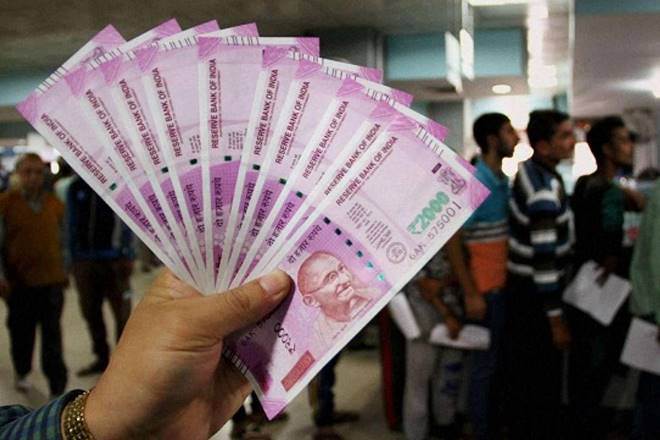
Continuing on its endeavour to make India a digital economy, the Budget proposes numerous measures to curb cash transactions and promote digital means of payments. One of the proposals is a levy of withholding tax @ 2% on cash withdrawal exceeding `1 crore per year. Another proposal is making it mandatory for businesses having turnover exceeding `50 crore to offer digital payments as a mode of payment, failing which, penal implications have been prescribed. Also, all bank and merchant charges have been waived off on specified modes of digital payments. Similarly, amendments have been proposed to enable receipt of monies through digital means.
Also, in order to promote the International Financial Services Centre (IFSC), multiple measures and incentives have been proposed such as exemption of capital gains for Category III Alternative Investment Funds, tax exemption on interest income earned by non-residents, tax-free dividend distribution measures etc.
As a measure to ease tax compliances, it has been proposed that the PAN and Aadhaar can now be interchangeably used for taxation matters.
(The author is Senior Partner – Tax & Regulatory, PwC India. Views expressed are personal.)