



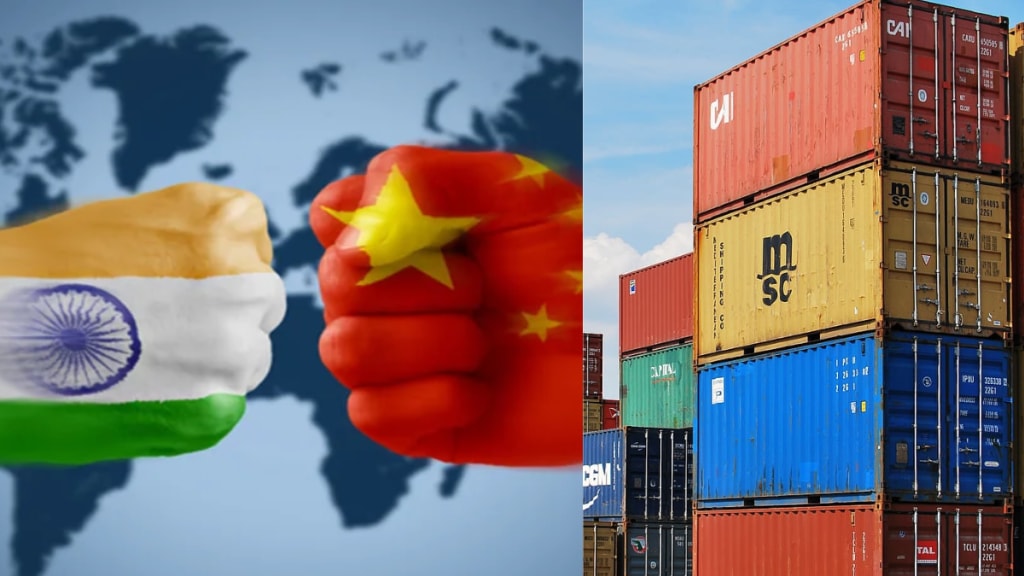
India has imposed anti-dumping duties on two Chinese products this month to protect domestic manufacturers from the impact of cheap imports. The products include a refrigerant gas and certain types of steel that were found to be exported to India at steep discounted price. The decision follows investigations that showed these imports were hurting Indian producers by undercutting local prices.
Which products are affected
The duties apply to cold-rolled non-oriented electrical steel and the refrigerant gas 1,1,1,2-Tetrafluoroethane, commonly known as R-134a. On steel products, India has imposed an anti-dumping duty of $223.82 per tonne on certain Chinese companies, a higher duty of $415 per tonne has been imposed on some others. These duties will remain in force for a period of five years, according to a notification issued by the finance ministry. For the refrigerant gas R-134a, India has imposed a duty of up to $5,251 per tonne, also for a five-year period.
Anti-dumping duty on imports from Vietnam
In a separate notification, India said it has imposed anti-dumping duty on imports of Calcium Carbonate Filler Masterbatch from Vietnam. This product is widely used in the plastic industry. This is focused at safeguarding Indian manufacturers from unfairly priced imports.
The duties were imposed after detailed investigations by the Directorate General of Trade Remedies, or DGTR, which functions under the commerce ministry. The agency examined whether the domestic industry was facing injury due to a surge in low-priced imports and recommended the duties after confirming the impact. Anti-dumping investigations are carried out to assess whether foreign producers are selling goods below fair market prices and whether such practices are harming local industries.
What are anti-dumping duties?
Anti-dumping duties are tariffs imposed by governments on imported goods that are sold at prices lower than their fair market value. These duties are used as a trade defence tool to prevent unfair competition and protect domestic industries. They are allowed under the rules of the World Trade Organisation, or WTO, of which India, China and Vietnam are members.
Purpose of anti dumping duties
The main purpose of these duties is to counter dumping, a practice where exporters sell goods abroad at prices lower than their home market value or even below production costs. Such pricing can damage local manufacturers who are unable to compete with unusually low prices.
By imposing duties, governments raise the import price to a more reasonable level and help ensure fair trading conditions. Anti-dumping duties are imposed after domestic companies file complaints and authorities conduct investigations to establish injury. Once confirmed, the duties are applied under WTO rules and usually remain in place for up to five years, unless reviewed or extended. The objective is not to block imports but to create a level playing field between domestic and foreign producers while supporting local industry and employment.