



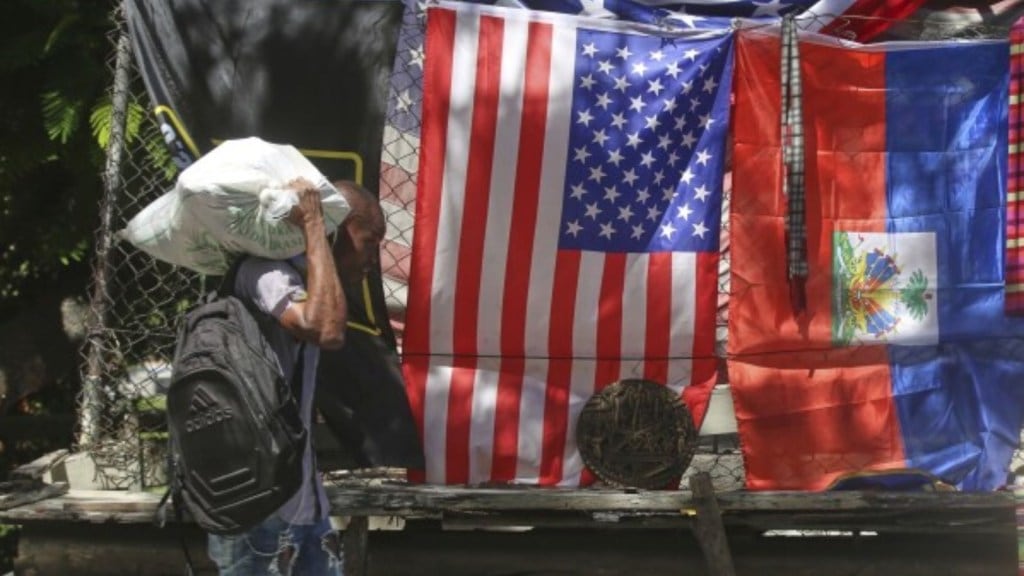
People from seven countries will no longer be allowed to travel to the United States starting Thursday, Jan 1, 2026, as a new set of restrictions signed by President Donald Trump officially comes into force. The move, which affects both permanent immigrants and short-term visitors, expands Washington’s travel ban amid the administration’s tightening of visa rules. The government has defended the steps as necessary for national security.
Travel ban begins for seven countries from Thursday
According to new guidance issued by US Customs and Border Protection and seen by ABC News, people from Burkina Faso, Laos, Mali, Niger, Sierra Leone, South Sudan and Syria are no longer allowed to enter the US.
President Donald Trump signed executive orders earlier this year to bring in these limits, and they now take effect. The ban applies to both immigrants and non-immigrants, meaning it affects people seeking permanent residence as well as those travelling on temporary visas, according to the government document dated December 29.
The White House has said the travel restrictions are needed for national security and public safety. For instance, the Department of State has alleged that “terrorist organisations continue to plan and conduct terrorist activities throughout Burkina Faso.” It also said that “terrorist organisations operate freely in certain areas of Mali.” Additionally, “Sierra Leone has historically failed to accept back its removable nationals,” while “Syria is emerging from a protracted period of civil unrest and internal strife,” among other concerns.
India is not impacted by either the initial or the expanded list of countries covered under the US travel ban. However, Indian nationals are facing tighter restrictions related to H-1B visas, which account for over 70 percent of approvals issued by the US government.
Earlier travel bans remain in place
The new rules come on top of existing travel restrictions that are already in force. People from Afghanistan, Myanmar (Burma), Chad, the Republic of the Congo, Equatorial Guinea, Eritrea, Haiti, Iran, Libya, Somalia, Sudan and Yemen continue to face limits on entering the United States. There are also partial travel restrictions for people from Venezuela and Cuba, according to the same document.
H-1B visa rules tightened this week
The travel ban comes at a time when the Trump administration is also tightening other visa rules. Earlier this week, new restrictions were introduced for the H-1B visa programme, which allows US employers to hire foreign workers with specialised skills. Until now, H-1B visas were issued through a random lottery system.
Under the new rules, the system has changed to a weighted selection process that gives priority to higher-paid applicants. Matthew Tragesser, a spokesperson for US Citizenship and Immigration Services, said the old lottery system was being misused.
“The existing random selection process of H-1B registrations was exploited and abused by US employers who were primarily seeking to import foreign workers at lower wages than they would pay American workers,” he said.
He added that the new system is meant to encourage companies to hire higher-paid, higher-skilled workers, while protecting American jobs. The total number of H-1B visas available each year remains capped at 85,000, according to US Citizenship and Immigration Services.