



US President Donald Trump has backed a bipartisan sanctions bill that could allow Washington to impose steep trade penalties on countries continuing to buy Russian energy, including India. Republican Senator Lindsey Graham said the legislation was cleared after he met Trump on Wednesday and could be taken up in Congress as early as next week.
The bill, S.1241 — the Sanctioning Russia Act of 2025, introduced by Graham and Democratic Senator Richard Blumenthal, seeks to target both Russia and countries that, according to the sponsors, are helping sustain Moscow’s economy by purchasing discounted Russian oil and other energy products.
Graham said the bill was “greenlit” after he met with Trump on Wednesday. He added that the legislation would let the United States punish countries buying cheap Russian oil, including India, China and Brazil, which he said is helping fuel Vladimir Putin’s war in Ukraine.
What is the Russia Sanctions Bill?
The sanctions bill, which Graham has been working on with both Republicans and Democrats for months, would impose penalties on countries that buy Russian energy and other goods. China, India, and Brazil are mentioned as potential targets because they continue to purchase Russian oil.
Section 17 of the bill requires the US President to impose a minimum 500% tariff on all goods and services imported into the United States from any country that knowingly purchases Russian-origin oil, natural gas, uranium, petroleum, or petrochemical products. According to the bill, “President shall, notwithstanding any other provision of law, increase the rate of duty for all goods or services imported into the United States from a country described in subsection (b) to a rate of not less than the equivalent of 500 percent ad valorem.”
The bill suggests, “A country is described in this subsection if the country knowingly sells, supplies, transfers, or purchases oil, uranium, natural gas, petroleum products, or petrochemical products that originated in the Russian Federation.”
Graham said he expects a “strong bipartisan vote” on the bill soon. Until now, Senate and House leaders had held off putting it to a vote. One reason was that Trump had preferred using tariffs on goods imported from India instead of broader sanctions. A US official told Reuters in November that Trump would sign the legislation if it passed, but he would require language ensuring that he retains control over how the sanctions are applied.
“This bill will allow President Trump to punish those countries who buy cheap Russian oil, fueling Putin’s war machine. This bill would give President Trump tremendous leverage against countries like China, India and Brazil to incentivise them to stop buying the cheap Russian oil that provides the financing for Putin’s bloodbath against Ukraine. I look forward to a strong bipartisan vote, hopefully as early as next week,” Graham wrote in a post on X.
United States Senator Lindsey Graham tweets, "After a very productive meeting today with President Trump on a variety of issues, he greenlit the bipartisan Russia sanctions bill that I have been working on for months with Senator Blumenthal and many others. This will be… pic.twitter.com/PwGiYLTrM1
— ANI (@ANI) January 8, 2026
Ukraine peace talks continue
The bill comes amid ongoing efforts to bring an end to the nearly four-year war in Ukraine. Talks have picked up pace since November. On Tuesday, the US joined a coalition of Ukraine’s allies, pledging security guarantees that include binding commitments to defend Ukraine if Russia attacks again. “This will be well-timed, as Ukraine is making concessions for peace, and Putin is all talk, continuing to kill the innocent,” Graham wrote on X.
So far, Moscow has not shown any willingness to compromise. Ukraine has pushed for changes to a US proposal that initially included Russia’s main demands, but Russia has not publicly signalled acceptance of a peace deal with the guarantees proposed by Kyiv’s allies.
Trump warns he could raise tariffs against India
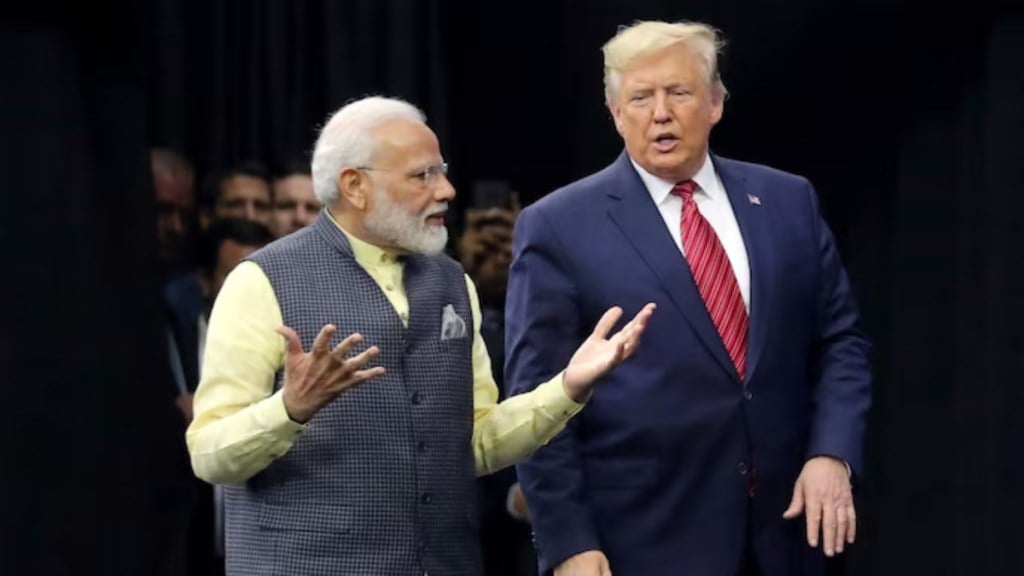
US President Donald Trump recently said he has a “very good relationship” with Indian Prime Minister Narendra Modi, but he also said that Modi is unhappy with him right now. Trump said this is because India is paying high tariffs imposed by the United States after buying Russian oil.
The United States has slapped high tariffs on Indian goods, up to 50 percent. Part of this tariff is connected to India’s continued purchase of Russian oil, something Washington wants New Delhi to stop.
A day before these comments, Trump warned that the United States could raise tariffs on India even more if New Delhi did not address US concerns about purchasing Russian oil. He said India tried to “make him happy,” but if it did not keep doing what the US wants, tariffs could go higher.
Meanwhile, India says the decision to buy oil from Russia is based on national interest. It wants to ensure energy security and keep fuel prices affordable for its people. Even though some of its oil imports from Russia have fallen, New Delhi has made clear that it will continue to work with all partners while protecting its economic and strategic needs.