



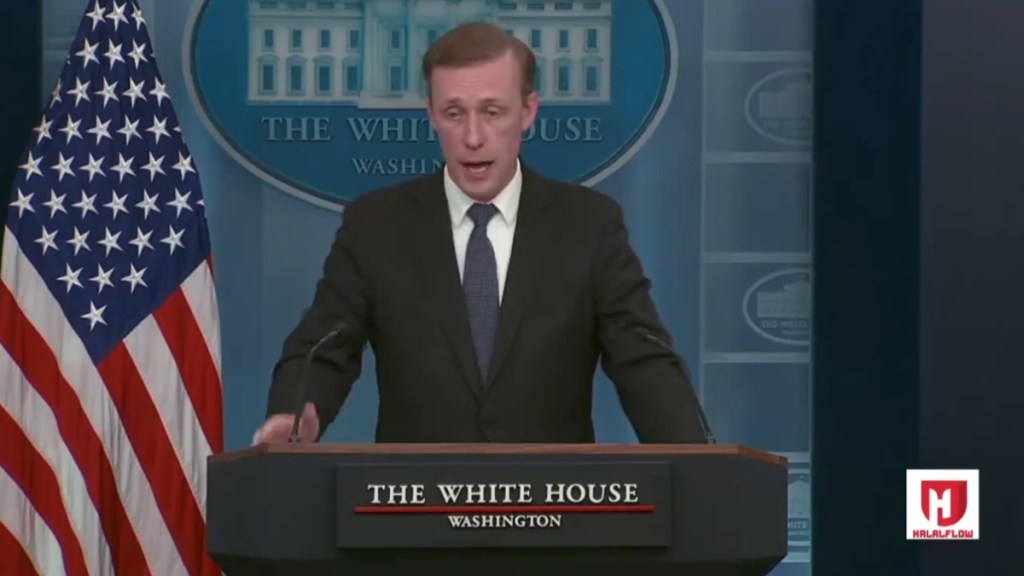
As the United States prepares for a major leadership change later this month, Jake Sullivan, the outgoing National Security Advisor (NSA), is set to visit India on January 6, 2025, for high-level discussions with his Indian counterpart, Ajit Doval. This visit marks a crucial moment in the growing US-India partnership, especially as it comes just two weeks before President-elect Donald Trump’s inauguration. Sullivan’s trip will be his last official visit to India during the Biden administration, setting the stage for future relations between the two countries under the incoming Trump administration.
A Focus on Critical and Emerging Technologies (ICET)
The centerpiece of Sullivan’s discussions with Doval will likely center around the India-US Initiative on Critical and Emerging Technologies (ICET). Launched in May 2022 by Indian Prime Minister Narendra Modi and US President Joe Biden, ICET aims to foster deeper collaboration between the two countries in areas like artificial intelligence, biotechnology, semiconductors, and defense innovation. This initiative represents a bold step towards building a technological and defense alliance that strengthens both nations’ positions on the global stage.
Sullivan’s visit will be significant for advancing this partnership, especially as the two countries continue to push for greater cooperation in semiconductor production, advanced telecommunications, and critical minerals—areas that are central to the ongoing technological race and national security concerns. As one of the final high-level engagements between the Biden administration and Indian officials, this visit is expected to shape the trajectory of US-India relations for the near future.
Jake Sullivan’s Role in US-India Relations
Sullivan’s visit is particularly notable given his deep involvement in shaping US-India relations under the Biden administration. Last year, during his visit to India, Sullivan discussed key issues such as the fight against terrorism, including concerns over Khalistani terrorist Gurpatwant Singh Pannu, a sensitive issue that had previously strained relations. This time, however, the focus will likely shift toward cementing a robust strategic framework around emerging technologies and defense collaboration.
Sullivan’s role in facilitating the ongoing ICET dialogue has been pivotal, and his discussions with Doval will likely explore the next phase of the initiative, particularly as both countries seek to counter common global challenges, such as cybersecurity threats and the ongoing competition with China in the tech and defense sectors.
Transition of Power: What Does Michael Waltz Bring?
As Sullivan prepares to leave his post, the US will soon see a change in leadership with the return of Donald Trump as president. This transition brings with it the appointment of Michael Waltz as the new National Security Advisor. Waltz, a former Green Beret and military veteran, was nominated by Trump to take over from Sullivan and is expected to take office on January 20, 2025.
Waltz, known for his strong support of India, has already demonstrated a commitment to strengthening US-India relations. As a co-chairman of the India Caucus in the US Congress, he has advocated for policies that support India’s strategic interests. This makes him a potentially valuable ally for India as both nations navigate the shifting geopolitical landscape.
Jaishankar’s Diplomacy: Setting the Stage for Trump’s Return
In parallel to Sullivan’s visit, India’s External Affairs Minister, S. Jaishankar, has been actively engaging with US officials to ensure continuity in bilateral relations during this time of transition. During his recent visit to the US, he met with both Jake Sullivan and Michael Waltz, signalling India’s proactive stance in preparing for the leadership change in Washington. Jaishankar praised his meeting with Waltz, describing it as “comprehensive” and stressing the importance of strengthening India-US ties across various sectors, including defense, technology, and regional security.
Jaishankar also met with US Secretary of State Antony Blinken, where the two discussed the progress of US-India relations over the last four years. Jaishankar expressed satisfaction with the growing cooperation between the two countries and reiterated India’s commitment to working with the US in addressing both bilateral and global challenges.
Looking Forward: A Strategic Reset for US-India Ties
Sullivan’s final visit to India represents more than just a routine diplomatic engagement—it is a critical moment to solidify and expand the strategic framework that has been built over the last few years. As the US prepares for a change in administration, the next few weeks will be crucial in determining how US-India relations evolve under Trump’s leadership.
The appointment of Michael Waltz as NSA signals continuity in the strategic direction, as Waltz is likely to maintain a strong focus on India as a key partner in global security. With a growing convergence of interests, particularly in defense, technology, and the Indo-Pacific region, the future of US-India relations looks promising.
As both countries face common challenges in the 21st century, from technological advancements to regional security concerns, their cooperation will be critical in shaping global dynamics. ICET will continue to serve as a focal point for this cooperation, and the strong diplomatic groundwork laid by both Sullivan and Jaishankar will ensure that the US-India partnership remains a cornerstone of international relations in the years ahead.