



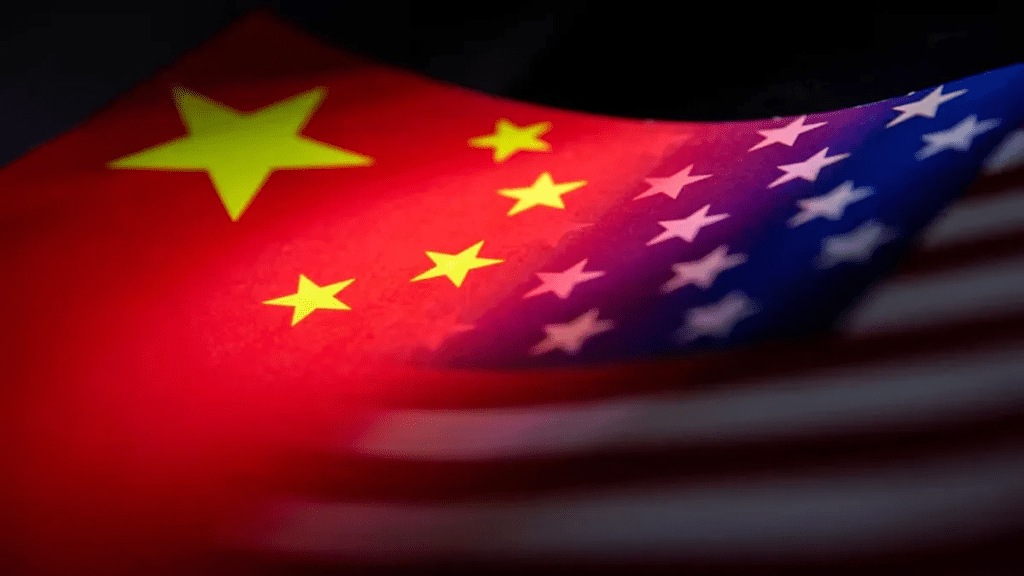
In a sharp rebuke to mounting reports of US efforts to sideline China in global trade, Beijing on Monday warned of countermeasures against any country that enters trade agreements with Washington at the expense of Chinese interests.
The statement, released by the Chinese Commerce Ministry and reported by state-run Xinhua, comes amid speculation that the US is offering tariff exemptions to nations that scale back economic ties with China. “If such a situation arises, China will not accept it and will resolutely take corresponding countermeasures,” the ministry said.
Beijing’s strong language appears to be a preemptive strike against potential bilateral deals between the US and China’s major trading partners such as the EU, Japan, ASEAN countries, and India. The warning follows a Wall Street Journal report that the US intends to pressure dozens of countries into setting up trade barriers against China in return for market access.
“This is essentially using the banner of ‘reciprocity’ as a pretext to pursue hegemonic politics and unilateral bullying,” the ministry added.
China’s firm stance underscores its growing concern over the economic fallout from a prolonged trade war with the US. Chinese exports to the US—valued at $439.9 billion last year—are already subject to tariffs of up to 245 percent. China retaliated with tariffs as high as 125 percent on American goods.
With its economy grappling with domestic slowdowns and weakening global demand, Beijing is now taking a tougher approach to protect its $3.67 trillion overseas trade. The move also follows President Xi Jinping’s diplomatic push through ASEAN countries last week, during which he called for resisting “unilateral bullying.”
However, key nations like Malaysia—currently chairing ASEAN—have signaled a neutral stance. “We can’t choose, and we will never choose [between China and the US],” Malaysia’s Trade Minister Tengku Zafrul Aziz told the BBC.
As tensions rise, trade-dependent countries now face a growing dilemma: secure American tariff relief or preserve economic ties with China—without angering either of the world’s two biggest economies.