



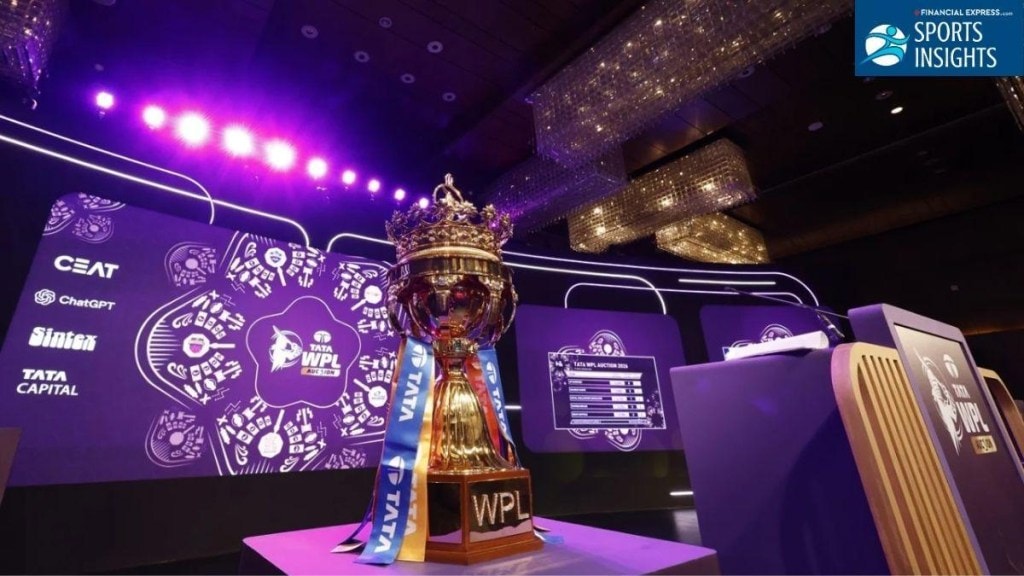
Women’s Premier League is still young, but something interesting is already happening behind the curtain. Team owners who once walked in with hope are now starting to see a path to real money. Not overnight riches, but slow and steady growth that feels more real than hype. And in a cricket-mad country like India, when something starts moving in the right direction, it usually moves fast.
Let’s break it down in a simple way, because the story behind the numbers is just as human as the cricket on the field.
The Central Revenue Engine: Media Rights & Sponsorship Share
In the first year itself, BCCI sold the WPL media rights for five seasons. Viacom18 wrote a cheque of ₹951 crore. This became the main source of income for the league. Unlike the early days of men’s IPL, the women’s league actually started with a strong broadcast deal right from day one.
The important part is how BCCI handles this money. A large portion goes into a joint pot along with sponsor income. Then BCCI passes on 80% of this pool straight to the five teams. That share alone takes care of the majority of what a team needs to survive the season.
So even before a ball is bowled, every team knows they are not walking blind. There is money waiting.
Franchise Fees: Long-Term Asset in Women’s Cricket
People often forget the first big expense. Every owner had to pay a heavy one-time price to buy the team. These fees touched big numbers. Some of the highest bids in women’s sport worldwide.
But here’s the twist: owners treat this like a long-term asset. Something that grows year after year. If team values rise the way IPL teams did, then today’s cost will feel like a smart investment later.
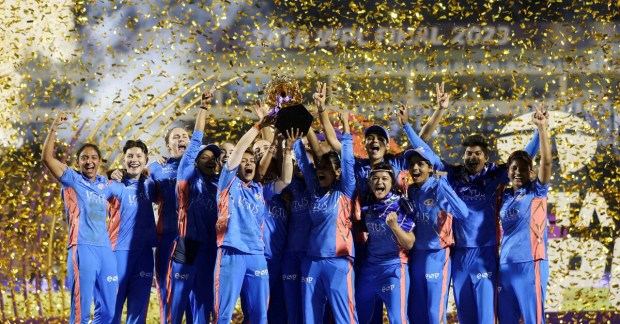
For now, the yearly revenue share reduces the pressure, making it easier for the owners to breathe.
Sponsorship Growth: WPL’s Rising Commercial Value
WPL is still young, and brands were unsure in the beginning. But once they saw the viewership jump and the love fans were showing, interest increased. Title sponsor Tata added credibility. More companies joined in.
Each team sells sponsorship space on their playing kit. Front chest, back, sleeves, and helmet stickers. Smaller brands in beauty, food, and education want to support women’s sports. The rates are lower than IPL but deals are getting bigger. Teams also sell partnership rights for training gear and travel.
Even if the total central sponsorship numbers are not fully public, the visible trend is clear: brand interest is going up, not down.
For teams, this matters a lot. Local sponsors, kit sponsors, small partners – all this adds up slowly. It may not be huge right now, but it is growing each season.
Matchday Revenue & Fan Culture: Power of WPL Crowds
This part is more emotional than financial.
Crowds for WPL were not just big – they were different. More families. More young girls holding posters. More people cheering for their first women’s cricket heroes. This matters because full stadiums bring two things at once: ticket revenue and long-term loyalty.
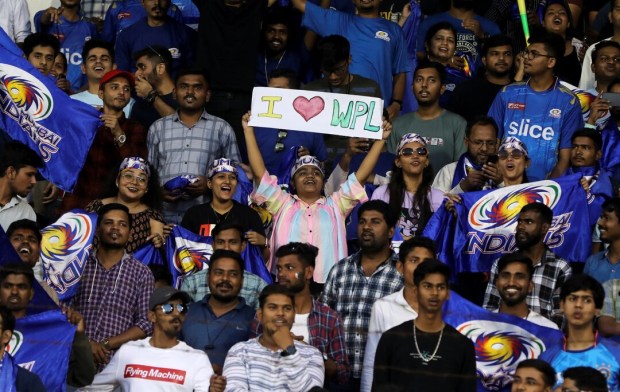
When a young girl sees a packed crowd cheering for a women’s team, something changes inside her. The league becomes more than a business line; it becomes a reason to dream.
Owners know this. When a sport becomes personal for people, its value jumps.
Ticket revenue is still small compared to media money, but it is an important sign of what is coming.
Merchandise and Digital Assets: Future Revenue Streams
Royal Challengers Bengaluru rolled out their own merch line with Puma, and sure, the other teams are selling jerseys online too. But in women’s cricket, this whole merch scene is still kind of a baby-cute, promising, but nowhere near full-grown. The sales are tiny compared to IPL giants… a few crores per season if a team gets lucky.
Still, it tells you something. Parents have started picking up WPL jerseys for their daughters, and you’ll see kids wearing them at school events like it’s the most normal thing in the world. These tiny moments don’t sound dramatic, but they hint at a cultural shift that’s way bigger than the numbers suggest.
It won’t change a balance sheet today. But give it time… these little shifts often reshape a sport in ways money can’t track yet
WPL found a massive young audience online. JioCinema’s early numbers showed how quickly people tuned in. Short clips, highlights, fantasy cricket – all these things bring new revenue routes.
This young audience is the gold mine. Advertisers want them. Broadcasters want them. Teams want them.
In the long run, digital interest will probably drive WPL income more than anything else.
Road to Break-Even: WPL Profitability Analysis 2025
Not fully yet. But they are not far either.
Central revenue share covers most costs. Sponsorship is rising. Viewership is strong.
And the biggest expenses – like one-time franchise fees – are already paid.

Teams are not bleeding money. They are moving towards a point where yearly operations will start showing a small profit first, then bigger ones. It is not magic; it is steady growth backed by structure.
Fantasy Sports Ban: A Major Revenue Headwind
A big blow came this year. The government banned fantasy sports advertising. IPL and WPL teams will lose over ₹150 crore in sponsorship money. Fantasy apps were big spenders on jersey deals and boundary ads. This makes profitability even harder.
Beyond the Balance Sheet: WPL’s Social and Cultural Impact
For many women cricketers, WPL changed life in a way that can’t be measured with calculators. Players who spent years fighting for small match fees suddenly got paid amounts that changed their homes. Families saw pride. Society noticed their work.
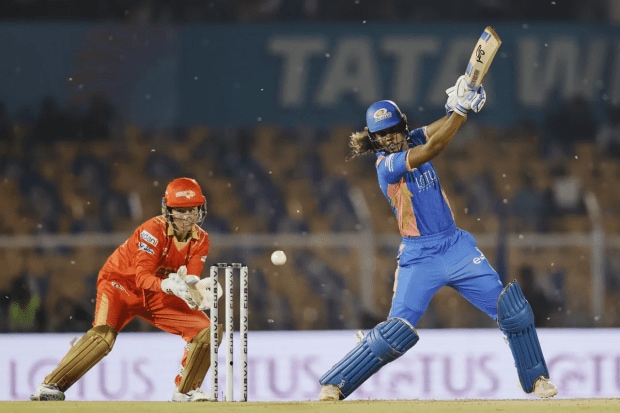
When players earn well, the sport feels secure.
When fans fill stadiums, the dream becomes real.
When young girls see them on TV with the same glamour as men’s cricket, the world shifts a little.
WPL is not just about money. It is about fairness finally catching up with talent. And that part of the story is priceless.
What Happens Next
Media rights come up for renewal after five years, not ten like IPL. If viewership keeps growing, the next deal could jump big. The 2024 season had 149 million TV viewers and 109 million digital viewers. The first match of 2025 got 30 million TV viewers alone. If these numbers hold, broadcasters will pay more. That 80% share will become larger. Teams might break even by year six. For now, owners are playing the long game. They are building a sport while losing some money. It is an investment in women’s cricket and in future profits.
The Bottom Line
WPL is growing in a simple, strong way. Good broadcast money, rising sponsorship, improving attendance, and a new generation of fans. Teams are not only surviving; they are learning how to build a business around women’s sport.
In a few years, when people look back, they will probably say the signs were always there. The numbers were just waiting for belief to catch up.