



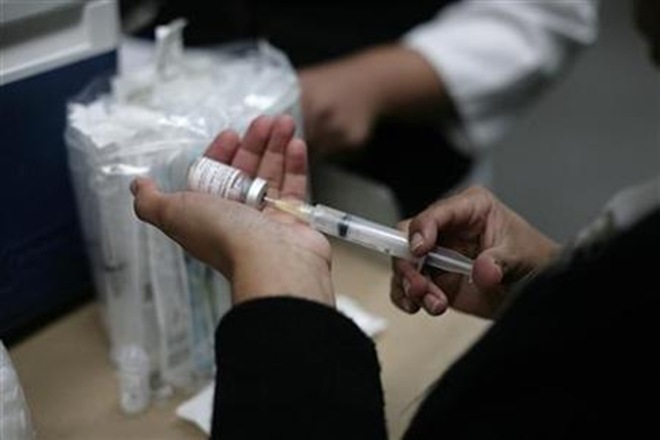
Pharma behemoth Astra Zeneca has struck a deal with the Inclusive Vaccine Alliance—an alliance between Germany, Italy, France and the Netherlands to speed up the production of a vaccine against SARS-CoV-2—to supply 400 million doses of a vaccine being tested by the University of Oxford. This is the latest of a series of such deals that the company has struck—one with the UK for 30 million doses, a $1.2 billion deal with the US for 300 million doses, and another with the Global Alliance for Vaccines and Immunizations (Gavi) for 700 million doses.
These large deals will, no doubt, push vaccine research (with the aim to make an effective and safe vaccine available at the earliest) and access. And access is crucial, given, in the absence of pharmacological interventions, countries have had to rely on lockdowns that come at serious economic costs.
However, with vaccine research happening across nations, with multiple companies in the fray, such deals effectively mean other vaccine developers are forced out of vaccine research (because finding flows to one company), or if they survive that, out of the market.
To be sure, it is imperative to roll out countrywide vaccination programmes in the current context, and a deal with a vaccine developer makes eminent sense. But, it is akin to putting all your eggs in one basket—what if another developer has a better vaccine?