



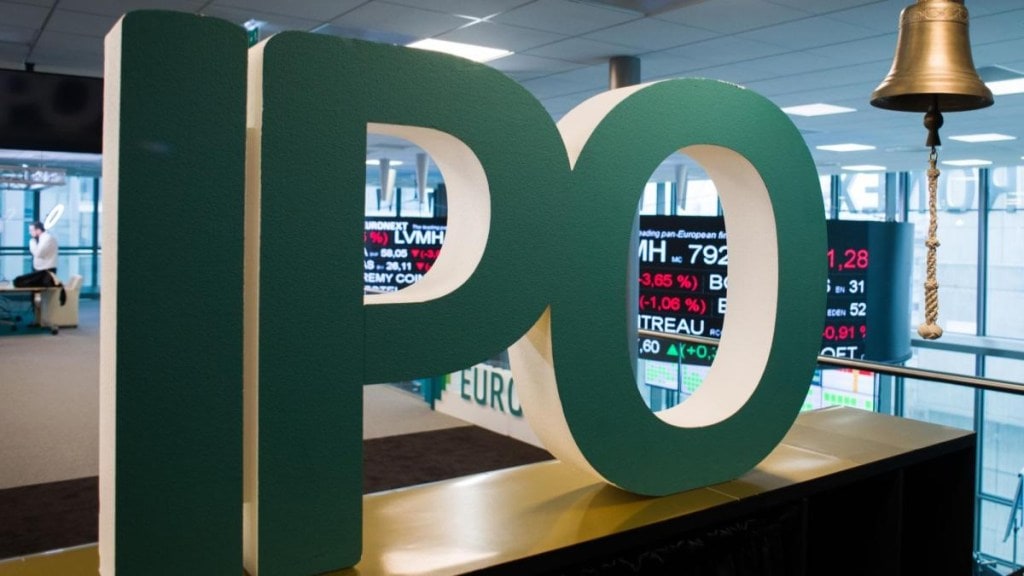
Several companies have opted for confidential pre-filing of initial public offering (IPO) papers, the latest being Swiggy. Rachana Baid and CKG Nair explain the rationale behind the practice
l What is confidential IPO filing?
Confidential, pre-filing of Draft Red Herring Prospectus (PDRHP) is an optional mechanism enabled by Securities and Exchange Board of India (Sebi) in 2022, by making amend-ments to the Issue of Capital and Disclosure Regulations (ICDR). Unlike the normal route where the entire DRHP is made available to the public, here the pre-filings are confidential. DRHP, incorporating the views of the regulator, is made public later when the company actually decides the timing, etc., of the issue.
l Have Indian firms taken this route?
Yes, A FEW Indian companies have taken the route of pre-filing confidential IPO papers. Tata Play was the first firm to do so, in December 2022. Other notable Indian companies that have followed this approach include Oravel Stays (parent company of hospitality chain Oyo) and, more recently, Swiggy. By opting for confidential IPO filings, these companies have been able to protect their sensitive business information and strategically manage the timing of their IPO disclosures.
l What are the advantages for companies?
There are four main advantages.
Protecting sensitive data: Business filings contain sensitive and proprietary information, including financial data, trade secrets, market strategies, legal cases, and other confidential details. At the same time, the IPO process takes a long time and making available sensitive data to competitors for a long period can cost the company dearly, especially in the case of startups and new-age companies with unique business models. By keeping the business filings confidential, companies can protect their strategic plans and competitive advantage.
Safeguarding issuers’ interests in case IPO is shelved: Confidential IPO filing safeguards the interests of issuers who may decide to cancel their initial public offering (IPO) plans for various reasons. Data put out by Sebi during public consultation show that about 45% of the companies did not go for public issue after filing the DRHP.
Enhanced due diligence: Pre-filing confidential IPO papers allows companies to engage in due diligence discussions with regulatory authorities before any information is made public. This process helps address any regulatory concerns or requirements, ensuring a smoother and more compliant IPO process.
Compliance preparation: Confidential filing provides companies with additional time to ensure full compliance with regulatory requirements before the DRHP is released. This includes meeting criteria such as the minimum promoter’s contribution of 20% of the post-issue paid-up capital, giving companies the opportunity to make necessary arrangements and adjustments.
l Any disadvantages?
By keeping the IPO filings confidential, there is a higher chance of companies deciding not to proceed with the IPO. This can disrupt investor expectations. The process of pre-filing confidential IPO papers, with PDRHP (pre-filed DRHP), UDRHP 1 (updated DRHP), UDRHP 2, etc., can be more complex and time-consuming compared to the traditional route. This can result in higher IPO expenses, including legal and advisory fees. Prospective investors get limited access to information about the firm’s financials and other details for some time. The possession of material non-public information by some parties during the confidential filing period may increase the risk of insider trading. It is crucial to have robust mechanisms in place to prevent misuse of confidential information.
l Is such a practice available globally?
Countries such as the US, the UK and Canada have a practice where prior to filing, the offer documents can be submitted for preliminary review by regulatory authorities. If the issuer chooses to proceed with the offer, a modified document that incorporates the changes mandated by the regulator is then made available to the public. The treatment of business filings as confidential may vary among jurisdictions and can be subject to specific rules and regulations set by regulatory authorities.
l How to balance the concerns?
The ideal route to a public issue is for companies to plan their business strategies well, and thereafter go for filing the offer documents with all relevant information. Companies on the main board (those with a minimum post-issue paid-up capital of Rs 10 crore listed on the NSE and BSE), merchant bankers and other professionals have the expertise to plan and file the documents with appropriate disclosures as sought by the regulator/s. Compressing the time span of the public issue process is another solution, particularly in the face of high market volatility.
The writers are professor and former director of National Institute of Securities Markets, respectively.
Disclaimer: Views expressed are personal and do not reflect the official position or policy of Financial Express Online. Reproducing this content without permission is prohibited.