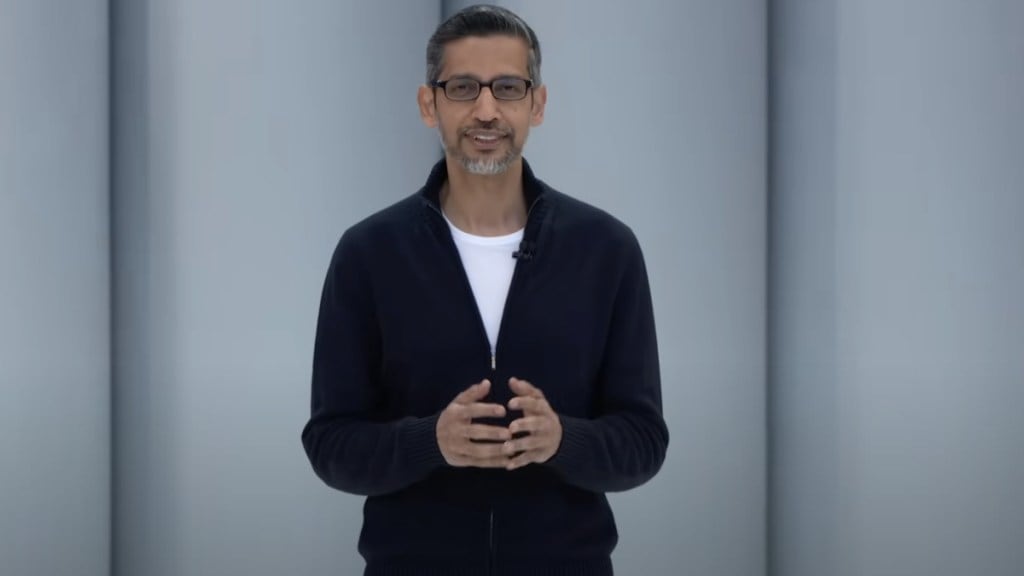
Google CEO Sundar Pichai has just issued a big warning about the impact of artificial intelligence on the job market. According to Pichai, AI is advancing so quickly that it could change every industry and potentially replace many existing roles.
His message was direct that no job is completely safe, and society will have to prepare for major changes in the workforce.
“AI is the most profound technology humanity is ever working on, and it has potential for extraordinary benefits, and we will have to work through societal disruption,” Pichai told the BBC in a recent interview.
“It will evolve and transition certain jobs,” Pichai noted. “People will need to adapt, and then there will be areas where it will impact some jobs. So, as a society, I think we need to be having those conversations.”
Every Job Could Be Affected
Sundar Pichai emphasized that AI will not only disrupt low-skill or repetitive work. Rather highly skilled jobs including roles in medicine, finance, education, and even corporate leadership could see major transformations.
He suggested that the responsibilities handled by a CEO today might one day be performed by advanced AI systems.
His point was not to spread fear, but to highlight the scale of change coming. As AI becomes capable of complex reasoning, decision-making, and creative tasks, the nature of work itself will evolve.
People may no longer rely solely on traditional qualifications. Instead, adaptability and the ability to use new digital tools will become essential for staying relevant.
Disruption and Opportunity Go Hand-in-Hand
While Sundar Pichai acknowledged that job losses and disruptions are likely, he also highlighted the opportunities that will emerge.
Just as past technological revolutions replaced certain jobs but created entirely new industries, AI could open doors to roles that do not exist today.
He encouraged young people to continue pursuing their ambitions whether in science, teaching, engineering, medicine, or other fields. The key difference in the coming era will be how well individuals integrate AI into their daily work. Those who learn to collaborate with machines rather than fear them may have an edge in the new job landscape.
Preparing for the Future: What People Should Do
As AI becomes deeply integrated into daily life and workplaces, Sundar Pichai believes that individuals must focus on four key areas:
Lifelong learning: Skills that were enough a few years ago may not be enough tomorrow. Staying open to learning new tools and technologies is crucial.
Flexibility: Career paths may no longer be linear. People might switch roles or industries more often, adapting as AI reshapes tasks.
Broader thinking: New job categories will rise. Roles involving creativity, empathy, strategy, or human-centered decision-making may grow in importance.
Working with AI, not against it: Viewing AI as a partner can help people enhance their productivity and achieve better outcomes.
The Road Ahead
Sundar Pichai’s overall message was clear AI is bringing one of the biggest shifts in modern history to jobs. The transition may be challenging, but it also offers new opportunities. Those who stay informed, adaptable, and open to collaboration with technology will be better prepared for the future of work.