



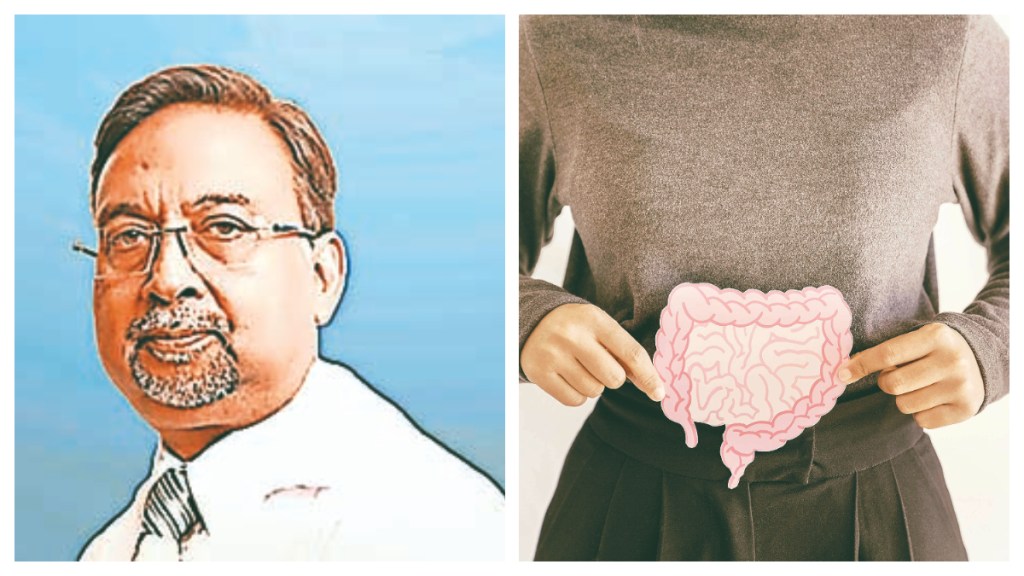
Gut bacteria is extremely essential for our well being. But many factors destroy our gut equilibrium, one of them alcohol. Dr Rakesh Gupta, senior consultant, internal medicine, Indraprastha Apollo Hospitals, says: “Alcohol can damage gut bacteria, especially when consumed frequently or in large amounts. The gut is home to trillions of bacteria that help with digestion, immunity, vitamin production, and inflammation control. Alcohol disrupts this balance by reducing beneficial bacteria and allowing harmful bacteria to grow. It also increases gut permeability, often called leaky gut, which allows toxins and bacterial fragments to enter the bloodstream and trigger inflammation.
Over time, this imbalance (gut dysbiosis) can lead to bloating, acidity, poor digestion, frequent infections, fatigue, and even worsening of liver and metabolic health. Occasional, moderate drinking may cause temporary changes that the gut can recover from, but regular or heavy alcohol intake causes more lasting damage. This is why people who drink often may experience digestive discomfort and weakened immunity over time.”
Read FE 2026 Money Playbook: Your Ultimate Investment Guide for the new year
Do frequent alcohol consumers need to replenish with probiotics?
Frequent alcohol consumers may benefit from probiotics, but probiotics alone are not a complete solution. Since alcohol reduces beneficial gut bacteria, probiotics can help restore some balance by introducing helpful strains like Lactobacillus and Bifidobacterium. These can support digestion, reduce inflammation, and strengthen the gut barrier. However, if alcohol intake continues at high levels, probiotics may have limited effect because the harmful environment persists. Along with probiotics, prebiotics (dietary fiber that feeds good bacteria) are equally important. Foods like curd, buttermilk, fermented foods, fruits, vegetables, and whole grains help probiotics survive and grow. Reducing alcohol frequency, staying hydrated, and ensuring adequate protein and micronutrients are essential. In short, probiotics can support gut recovery, but lasting improvement comes only when alcohol intake is reduced and diet quality improves.
What other substances or medicines destroy gut bacteria?
Several substances besides alcohol can harm gut bacteria. Antibiotics are the most common cause, as they kill both harmful and beneficial bacteria, sometimes leading to long-term imbalance. Frequent or unnecessary antibiotic use increases the risk of digestive issues, infections, and weakened immunity. Painkillers like NSAIDs (ibuprofen, diclofenac), acid-suppressing medicines (PPIs), and some laxatives can also disrupt gut bacteria when used long-term. Artificial sweeteners, highly processed foods, excess sugar, smoking, and chronic stress negatively affect gut diversity. Environmental toxins, pesticides on food, and poor sleep can further worsen gut health. Even repeated food poisoning or stomach infections can disturb the gut ecosystem. While many of these medicines are necessary at times, they should be used only when needed and ideally supported with a gut-friendly diet to minimise damage.
How can gut health be restored?
Gut health can be restored with consistent lifestyle and dietary changes. The foundation is a diverse, fibre-rich diet including vegetables, fruits, pulses, whole grains, nuts, and seeds, which nourish good bacteria. Fermented foods introduce natural probiotics. Reducing alcohol, ultra-processed foods, excess sugar, and smoking is crucial. Adequate sleep, regular physical activity, and stress management help regulate gut-brain signals that affect digestion. After antibiotics or illness, short-term probiotic supplements may help, but food-based recovery is more sustainable. Staying hydrated and chewing food properly also support digestion. Most importantly, gut healing takes time-weeks to months-so consistency matters more than quick fixes. A healthy gut reflects overall lifestyle balance, not just supplements.