



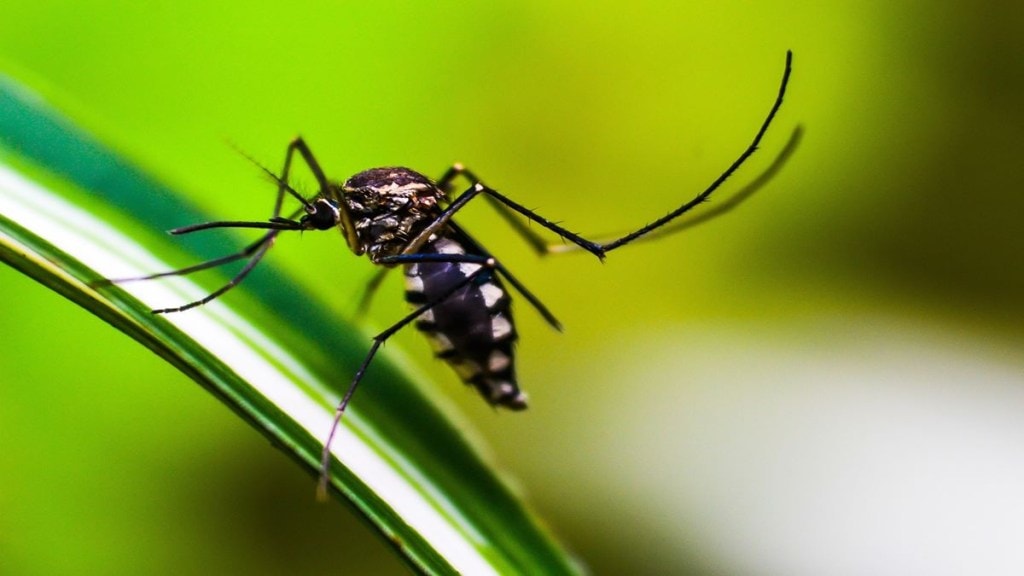
During the seasonal rise of dengue cases, there is a surge in demand for papaya leaves as there is a belief that its juice can be a cure for the mosquito-borne disease. Does papaya leaf juice really cure dengue?
Dengue, a viral infection, caused by the bite of an infected Aedes aegypti mosquito is prevalent in tropical and subtropical climates. It is important to highlight that there is no specific treatment for dengue.
As there is no treatment, the disease is managed by treating pain symptoms. Most cases of dengue fever can be treated at home with pain medicine. Moreover, for people with severe dengue, hospitalization is often needed.
When suffering from dengue, people often resort to home remedies like papaya leaves and goat milk to “cure” the viral infection. However, doctors warn against these practices.
A 2023 study published in the International Journal of Surgery Global Health revealed that the usage of papaya or its leaves does not benefit dengue patients in any way and can instead lead to diarrhea. As dengue patients are often recommended to increase fluid intake, this can be fatal. The study also revealed that patients who lose excessive fluid risk developing hypovolemic shock.
“Multiorgan failure disseminated intravascular coagulopathy, and gastrointestinal bleeding are also risks of protracted shock. Considering the negative effects of papaya leaf extract on patients suffering from dengue, it should be contraindicated to use papaya leaf to reduce death and morbidity,” the study found.
Moreover, the researchers of the study also emphasised that “the general public must be informed and warned about the dangers and possible side effects of using papaya leaves during dengue fever.”
According to the researchers, insecticide-treated textiles, the use of mosquito repellent coils, the use of bed nets while in bed even during the day, and the development of the habit of wearing full-sleeve shirts and pants must all be encouraged especially dengue-endemic regions.
How can you protect yourself from dengue infection?
According to the World Health Organization (WHO), the mosquitoes that spread dengue are active during the day. The following steps can be taken to lower the risk of getting dengue:
- clothes that cover as much of your body as possible;
- mosquito nets if sleeping during the day, ideally nets sprayed with insect repellent;
- window screens;
- mosquito repellents (containing DEET, Picaridin or IR3535); and
- coils and vaporizers.
What to do if you get dengue?
According to the WHO, if you get dengue, it’s important to:
- rest;
- drink plenty of liquids;
- use acetaminophen (paracetamol) for pain;
- avoid non-steroidal anti-inflammatory drugs, like ibuprofen and aspirin; and
- watch for severe symptoms and contact your doctor as soon as possible if you notice any.