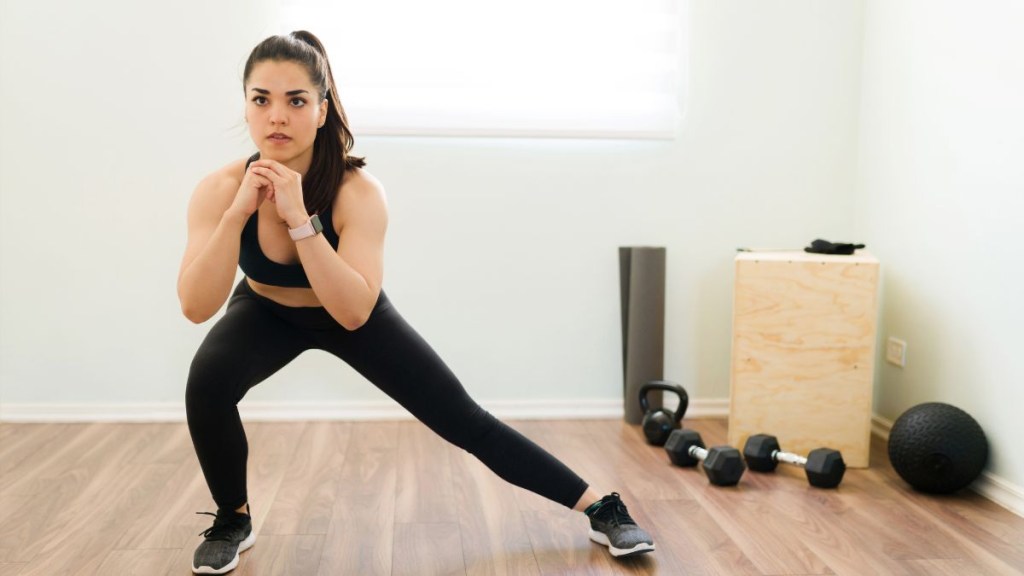
From morning reels to late-night scrolling, 2025 was dominated by fitness trends. Almost every week, a new workout routine went viral, promising quick results with minimal effort. As busy schedules left little room for long gym sessions, people shifted towards short, effective workouts that could be done at home without equipment.
According to Jitendra Chouksey, Founder and CEO of Fittr, 2025 marked a clear move away from flashy fitness gimmicks. People wanted routines that actually worked and could be followed consistently. Chouksey said a growing number of users chose 15 to 30-minute workouts because they were simple, easy to track and delivered visible results over time.
HIIT workouts ruled short sessions
As per Chouksey, High-Intensity Interval Training, or HIIT, became one of the most popular fitness formulas of the year. These workouts involved short bursts of intense movements followed by rest, such as sprints, jumps or squat-to-press circuits. Chouksey shares that HIIT appealed mainly to people aged 25 to 45, especially desk workers looking to burn fat and boost stamina quickly. However, beginners and older adults with joint concerns were advised to start slow to avoid injuries.
Plank challenges went viral
Plank challenges became a social media favourite in 2025. From 30-second holds to multi-minute challenges, these routines focused on strengthening the core and improving posture. They were especially popular among people aged 18 to 40 who spent long hours sitting. Chouksey cautioned that planks may not suit those with back pain or spinal issues if not performed correctly.
Functional fitness for everyday strength
Functional fitness routines gained traction as people focused on movements that helped in daily life. Exercises like squats, push-ups and bodyweight flows improved balance, mobility and overall strength. Chouksey explained that workouts suited a wide age group, particularly adults between 30 and 60, and were ideal for beginners when done with proper modifications.
Wearables changed how people tracked fitness
Fitness tracking devices saw a major surge in 2025. Smart rings and wearables became common tools for monitoring sleep, heart rate and recovery. According to Chouksey, over 80 per cent of Indians now track their health using apps or devices, as the data helped them understand what was truly working.
Which age groups these trends worked for
These fitness trends benefited people aged 25 to 50 juggling work and wellness, as well as beginners building healthy habits. Chouksey recommends pairing these trends with consistent strength training and simple routines for long-term results. In 2025, fitness proved that shorter, smarter workouts could be just as effective.