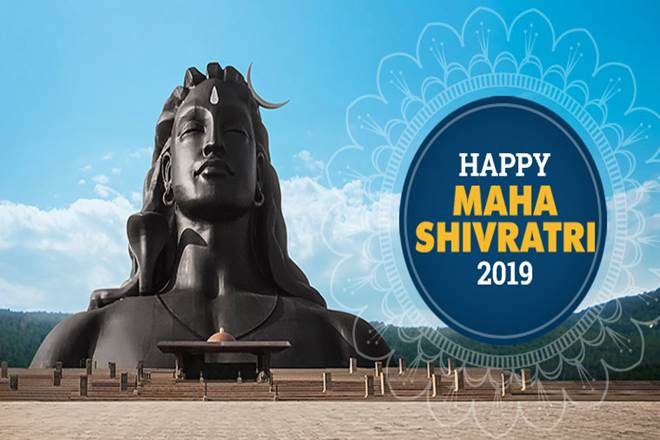
Maha Shivaratri is one of the most important Hindu festivals of India and is the day when millions of devotees offer their prayers to Lord Shiva. In Hindu mythology too, Maha Shivaratri holds immense significance. Shivaling Abhishek on this day is crucial too. It is said that those who observe fast on this day with all their heart attain moksha and are also absolved of all their sins.
Mahashivratri 2019: History
According to Puranas, during the great mythical churning of the ocean called Samudra Manthan, a pot of poison emerged from the ocean. The demons and the gods were terrified as it could destroy the entire world. They ran to Shiva for help and in order to protect the world, he drank the deadly poison but held it in his throat instead of swallowing it. This turned his throat blue, and since then Shiva came to be known as ‘Nilkantha’, the blue-throated one.
Why is this so important?
Maha Shivaratri holds tremendous significance in Hinduism. According to legends, when Goddess Parvati asked Lord Shiva which ritual performed by his followers pleases him the most, he replied saying the ritual worship on the 14th day of the dark fortnight in the month of Phagun impresses him the most. This is the day when Maha Shivaratri is celebrated. It is that day when the pious union of Shiva and Shakti happened.
Also Read: Mahashivratri 2019: WhatsApp, Facebook, SMS messages to wish loved ones
Mahashivratri 2019: Celebration
On Shivratri, a three-tiered platform is built around a fire. The topmost plank represents ‘swargaloka’ (heaven), the middle one ‘antarikshaloka’ (space) and the bottom one represents ‘bhuloka’ (earth).
Eleven ‘Kalash’ or urns are kept on the ‘swargaloka’ plank symbolizing the eleven manifestations of the ‘Rudra’ or destructive Shiva. These are decorated with the leaves of ‘bael’ (Aegle marmelos) and mango atop a coconut representing the head of Shiva. However, the uncut shank of the coconut symbolizes his tangled hair and the 3 spots on the fruit Shiva’s three eyes.
The phallus symbol which represents Shiva is called the lingam. It is usually made of granite, quartz, soapstone, marble or metal, and has a ‘yoni’ or vagina as its base representing the union of organs.
Devotees worship the lingam throughout the night. It is bathed every 3 hours with the 5 sacred offerings of a cow, called the ‘panchagavya’ – milk, sour milk, butter, urine and dung. Then the five foods of immortality – milk, clarified butter, honey, curd, and sugar are placed before the lingam. Dhatura flower and fruit, though poisonous, are believed to be sacred to Shiva and thus offered to him. The fast is broken the next morning, after the nightlong worship.
Now, you must be wondering what is the significance of Shivaling Abhishek on this day. Well, this is a ritual that people perform in order to seek blessings from Lord Shiva. Shivaling Abhishek or Rudra Abhishek is done to get rid of evil powers and attain prosperity.