Ramadan is a holy month celebrated by many people around the world. It is a time of fasting, prayer, and reflection. During Ramadan, people abstain from food and drink from dawn until sunset. The fast is broken with iftar, a meal shared with family and friends after sunset. Food plays an important role in Ramadan, and people look forward to enjoying delicious meals together during this special time.
There are many Ramadan dishes that can be made at home, using simple ingredients and traditional recipes. These dishes vary depending on the region and culture, but they all share a common thread of being nourishing and comforting, perfect for breaking the fast after a long day of fasting.
Here’s Navaj Sharief, the Managing Director of the restaurant chain Sharief Bhai’s guide to recreating delightful dishes in your kitchens for Ramzan’s special feast:
Gosht Haleem:
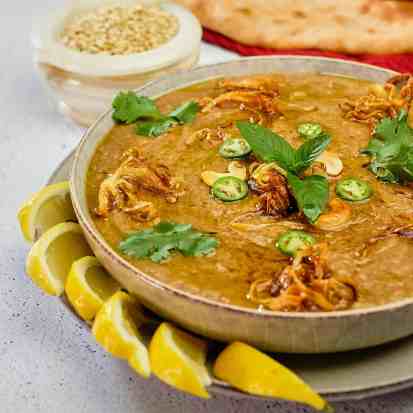
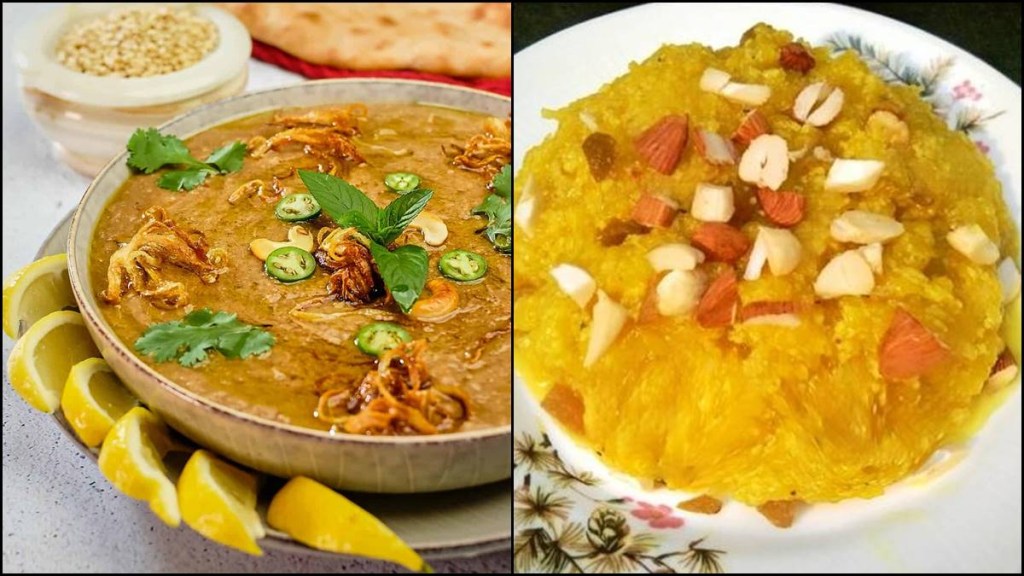
One popular dish during Ramadan is Haleem, a rich and hearty stew made with a blend of meat, lentils, and spices. This dish is slow-cooked for several hours, resulting in a tender and flavorful meal that is perfect for breaking the fast. Gosht Haleem is made by cooking finely grounded mutton, wheat, pulses, & an aromatic spice blend. Slow-cook the dish to perfection, and garnish it with ghee, fried onion & cashews to create a rich meaty experience that brings delightful aromas to your kitchen. Haleem traditionally is slow-cooked in Bhattis for six to eight hours; however, we can also prepare this rich aromatic dish at home using a pressure cooker.
All you have to do is soak ½ cup of chana and moong dal along with 1 cup of broken wheat together for 2 hours. Take a medium size pressure cooker and add ghee to temper it with whole spices – cloves, bay leaf, and green cardamom. Add the grated ginger and garlic paste once the spices start crackling and cook till the colour turns brown. Add the pounded lamb (boneless mutton) along with turmeric, saffron, and green chili paste and cook it on a medium flame. Wait for 5-6 whistles and turn off the flame. Let it remain with the lids intact for another 15 minutes. Cook it for another 15 to 30 minutes, add water if needed to give it semi-thick consistency. Finish it with fried onion and check for desired seasoning.
Murg Haleem:

A leaner version of the original haleem is a combination of rich minced chicken pounded & slow cooked with wheat, pulses & flavourful spices. Top this with their signature topping of 2 tbsp ghee, a small cup of fried onion & cashews made easily at home and relished with family. The process is exactly like the gosht haleem above, simply replacing boneless mutton with chicken. Make sure to garnish it with crunchy fried onion and chopped coriander. Tastes best when served hot!
Onion Samosa:

Another common Ramadan dish is samosas, crispy and savory pastries that are filled with a variety of ingredients. Onion samosas are a favorite during Ramadan, and they can be made easily at home using samosa pastry sheets or homemade dough. The filling is made with sliced onions and green peas. Mild spices, dill leaves, and the samosas are fried until golden brown.
Prepare stuffing with 1 cup onion, ¾ cup green peas, and flattened rice along with flavourful spices like cumin, turmeric, red chili powder garam masala, and fresh coriander. In a large bowl, knead ½ cup of dough with maida and roll the dough out into thin sheets of rotis or simply use samosa sheets, add the onion stuffing, and fold it into a perfect triangle shape. Heat oil in a kadai and deep fry to get perfect crispy golden brown onion samosas!
Kaddu Ka Meetha:
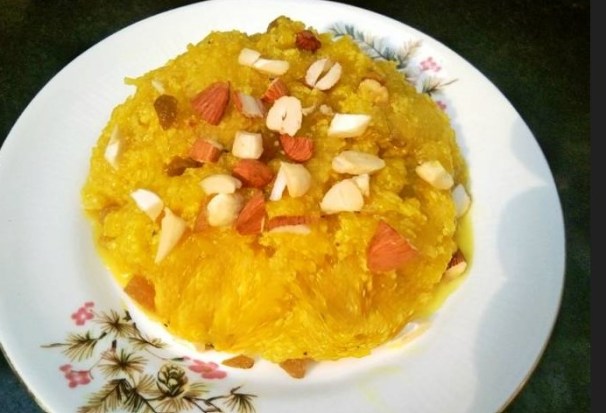
For those with a sweet tooth, there are many desserts to choose from during Ramadan. One popular dessert is Kaddu Ka Meetha, a Hyderabadi staple, enjoyed especially during this month. This rich and creamy dish is made with grated bottle gourd, milk, sugar, and dry fruits. It is often served during iftar, and it is a delicious way to end the meal.