



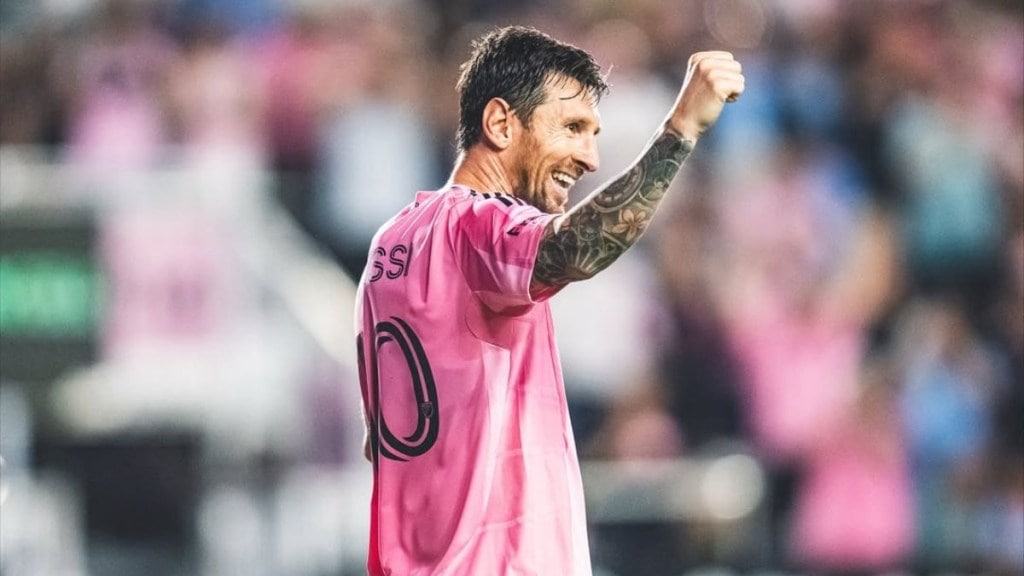
Lionel Messi’s visit to India has created huge excitement among fans. From Kolkata to New Delhi, Mumbai and Hyderabad, people are eager to see the football legend in person. While his busy three-day schedule is making news, Messi’s life story is also being talked about. As a child, the Argentine star faced a medical condition that could have changed his future in football.
The medical condition Messi faced as a child
When Messi was just 11 years old, doctors diagnosed him with Growth Hormone Deficiency (GHD). Because of this condition, his body was not growing at a normal rate. At that time, Messi was much shorter than other children his age. Medical tests showed that his body was not producing enough growth hormone, which is essential for normal development.
By the age of 12, Messi began taking daily hormone injections in his leg. This treatment continued for several years and became a crucial part of his childhood.
What is Growth Hormone Deficiency?
Growth Hormone Deficiency is a condition in which the body does not make enough growth hormone. According to the Mayo Clinic, this hormone is produced by the pituitary gland, a small gland located at the base of the brain. Growth hormone helps children grow normally and supports the development of muscles, bones and tissues.
The condition can affect both children and adults. When it appears in childhood, it mainly impacts height and physical growth.
Why growth hormone is important
Growth hormone plays a major role in the body. According to the Cleveland Clinic, it helps children and teenagers grow by supporting bone and muscle development. It also helps maintain strong bones, healthy muscles and overall body balance.
In children, growth hormone supports bone growth, especially during puberty. In adults, it helps control muscle strength, body fat levels and energy.
Signs and symptoms to look out for
The symptoms of Growth Hormone Deficiency can vary by age. In children, the most common sign is slow growth. The Mayo Clinic notes that children with GHD may grow less than two inches a year after the age of three.
Other signs include delayed puberty, a younger-looking face, low energy levels and reduced muscle strength. Some children may also have increased body fat around the waist or delayed tooth development. In adults, symptoms can include tiredness, weaker bones, loss of muscle mass, anxiety and difficulty concentrating.
What causes Growth Hormone Deficiency?
There is no single cause of Growth Hormone Deficiency. According to the Cleveland Clinic, some people are born with the condition due to genetic reasons or problems with the pituitary gland. In other cases, it can develop later because of brain injuries, infections, tumors or medical treatments that affect the brain. In many children, doctors are unable to identify a clear cause.
Growth Hormone Deficiency treatment and Messi’s journey to success
Treatment for Growth Hormone Deficiency usually involves regular injections of synthetic growth hormone. These injections are often taken daily and can continue for several years. Early treatment can help children grow closer to their expected height.
For Messi, the treatment was expensive and challenging for his family. The high cost of the injections made it difficult to continue. This struggle played an important role in his move to Spain, where FC Barcelona agreed to support his medical treatment along with his football training. That support helped Messi continue his journey and eventually become one of the greatest footballers in the world.