



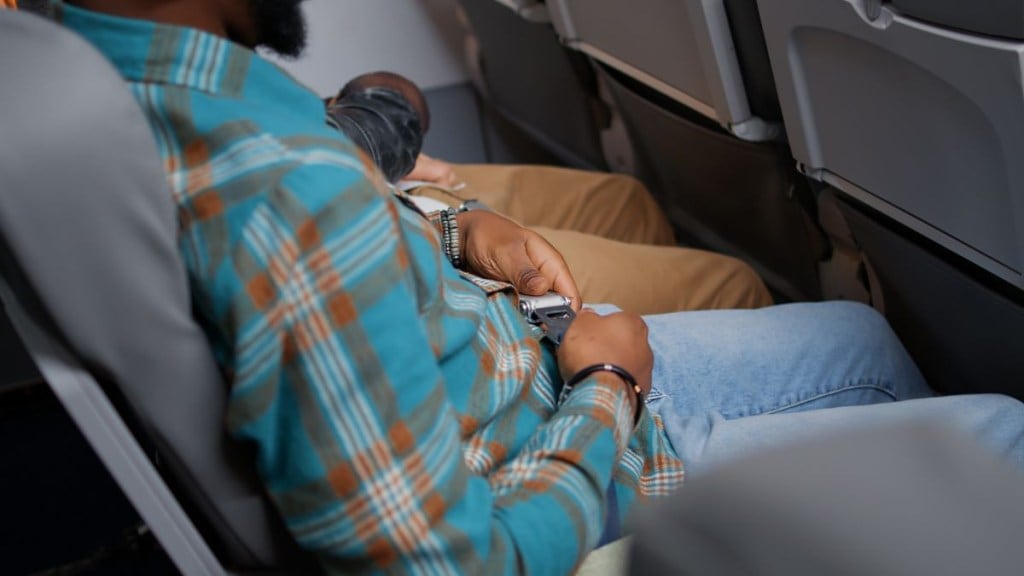
It’s the holiday season and it’s time to pack your bags and move away from the daily hustle bustle. Though long-distance travel during holidays is common, for office-goers who sit most of the day, it can raise a serious health risk. Sitting for hours at a desk slows blood flow in the legs, and travelling long distances by plane, bus, or car without movement can make this worse.
Dr Vinit Banga, Director – Neurology at Fortis Hospital, Faridabad, explains, “The calf muscles act like a pump that pushes blood from the legs back to the heart. When these muscles aren’t used for long periods, blood slows down and pressure builds in the veins. This can lead to deep vein thrombosis (DVT).”
DVT is dangerous because clots in the legs can travel to the lungs, causing a pulmonary embolism, which can be life-threatening.
Travel adds extra risk for DVT
Flights and long road trips make the problem worse. “Cramped airplane seats make it hard to move or stretch. Low cabin pressure and dehydration during flights make the blood thicker and more likely to clot,” Dr Banga said. People who are overweight, have varicose veins, use hormonal medications, are recovering from illness, or have a family history of clotting disorders are at even higher risk.
Simple steps to prevent blood clots
Movement is the most important way to prevent clots. “Standing up, walking, or stretching every one to two hours helps a lot,” Dr Banga advises. Even when you can’t move around, simple exercises like ankle rotations, foot flexes, and calf pumps can keep blood flowing.
Wearing compression socks during long trips can also help. These socks prevent blood from pooling in the legs and reduce swelling. Drinking water regularly is important too. “Avoid alcohol and sedatives during travel. Staying hydrated keeps blood flowing and reduces the risk of clots,” he said.
Pay attention to posture and leg position
Small changes like keeping legs uncrossed, not blocking leg space with bags, and making sure feet can move freely can improve circulation while seated.
Prepare before you travel
Prevention should start before the trip. “Office-goers should take short walking breaks at work, stretch their legs often, and use standing desks if possible. Elevating the legs after sitting for long hours also helps,” Dr Banga said. Improving overall fitness strengthens the muscles that help pump blood back to the heart.
People with existing health issues or previous clotting problems should talk to their doctor before traveling. “Some may need preventive medication or medical-grade compression socks,” Dr Banga added.
Long-distance travel can be safe if precautions are taken. Simple steps like moving regularly, staying hydrated, and wearing compression socks can reduce the risk of blood clots, making your holiday safer and more comfortable.