



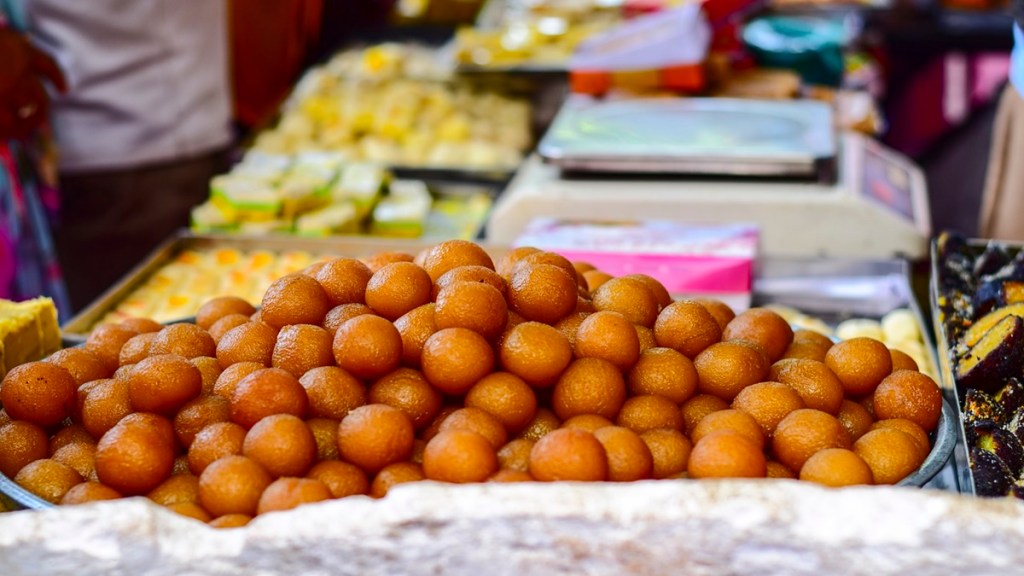
Diwali is almost here and its time to unite with family and friends and celebrate with food and lights. It is well-known that the festival represents bliss and indulgence in delectable sweets. According to Dr Anu Gaikwad, Consultant Diabetologist & HOD Geriatric Medicine, DPU Super Specialty Hospital, Pimpri, Pune, the festival of lavish feasts and traditional sweets is also the one that sees an overall rising tide of calorie intake, a development revealing the deepening obesity problem in India. Being a fait with the role celebrated indulgences play in forming a greater impact on health encourages informed choices.
Healthy vs unhealthy sweets
Diwali sweets comprise laddoos, barfis, gulab jamuns, kheer, etc. These ‘dainty’ sweets are rich in sugar and fat content and add to the phenomenal calorie load of the diet, Dr. Gaikwad revealed.
“One serving of a sweet, gulab jamun for example that anyone would consume for Diwali can go up to a huge 150-200 calories; entirely from sugars and saturated fats. These can form part of a healthy diet only when taken in moderation, but problems creep in when portions require more than what the body needs. It is said that overconsumption during Diwali leads to excess calorie, fats, and sugar intake and is certainly going to take one towards weight gain,” he told Financial Express.com.
If the event is repeated year after year, it could pose serious chronic diseases like obesity, type 2 diabetes, and cardiovascular diseases. Therefore, health risks as involved in such traditional treats during festivals need to be understood, he said.
What are the healthier options of sweets?
There are many Indian sweets, which comprise ghee, sugar, condensed milk, and refined flour. While it is true that ghee is a very rich source of fat-soluble vitamins, it is definitely pretty high in calories. In fact, one tablespoon contains about 120 calories. Thus, huge amounts of ghee-based sweets can easily exceed one’s daily recommended caloric intake in no time.
According to Dr. Gaikwad, many other culprits are sugar-coated, not to mention refined sugars which have been one of the biggest villains. “High sugar consumption leads to weight gain, but it also entails an insulin surge through which the body works even harder at regulating blood sugar. Refined flours, especially maida used in most sweets, contribute to the glycemic load of sweets, which increases the risk of weight gain and its metabolic disorders,” he said.
Why people love sweets during Diwali?
The merry making during Diwali is essentially accompanied by indulgence, bonds, and emotional value. According to Dr. Gaikwad, the most plausible explanation for why people would indulge in the same delicacies that they normally avoid is through their identity and emotional heritage.
“For the most part, a get-together nudges one into a form of obligation to overindulge more than one would otherwise, and the diverse variety of sweets available just adds to the weight of overindulging,” he told Financial Express.com.
Indulgence in festival time could also lead to “reward eating” as people allow themselves to eat whatever they want without any care during festivals and, in the long run, create a pattern of unhealthy eating habits. Such indulgences, if unchecked, might create a pattern of all-time overindulgence at other times of celebrations too, and thereby become unable to be healthy after Diwali.
How to enjoy tasty Diwali sweets without weight gain?
Even though it may be challenging to be totally diabetic-free during Diwali, a few mindful eating habits can help much in reducing the risks of certain health complications.
According to Dr. Gaikwad, here’s a hands-on checklist:
- Practice Portion Control: Enjoy the sweets but in smaller quantities. Take one or two pieces instead of consuming multiple servings.
- Try healthier options: Have sweets that contain natural sweeteners like jaggery or honey. In case that is not possible, use sweets that contain other healthier things such as whole-wheat flour and low-fat milk.
- Stay active: Attend any form of physical activity during the festival. Any activities as simple as a brisk walk or dancing during the celebrations would burn off excess calories acquired due to sweets.
- Drink enough fluid, and relish every Morsel: drinking enough fluid all day long will enable you to feel full, thus keeping you from overindulging on some of the treats. You also have to make sure you take little bites and that you must have just enough time so that you’ll be able to enjoy the food in your mouth and chew slowly and hence be able to notice your fullness cues.
- Balanced meals: If you are sure of allowing a moment for indulgence in sweets, then make sure you are providing balanced meals, which have an increase of more intake of veggie, lean proteins and fiber, all of which should be present in a well-nourished dressed plate.
With the growing scientific backup, celebration during Diwali may lead to health hazards, and in the long run, this can turn out to be obesity and diabetes. “The festival sweet is full of calories and contains high-cost ingredients that increase health risks. But if one enjoys it with some caution about portion size, healthier alternatives, and an active lifestyle, then such a festival does not pose any threat to health,” he told Financial Express.com.
Diwali would surely turn out to be a festival of joy and good health if done with an awareness and caution, he said.