



The Rajasthan government on Sunday withdrew its directive to mark December 6, the day the Babri Masjid was demolished in Ayodhya, as “Shaurya Diwas,” following strong criticism from opposition parties and Muslim groups.
‘Unavoidable circumstances’
According to a report by PTI, the order was released on an official WhatsApp group on Saturday. Expectedly, it went viral on social media and was recalled on Monday morning within 12 hours. “Due to unavoidable circumstances, the order has been taken back,” it stated.
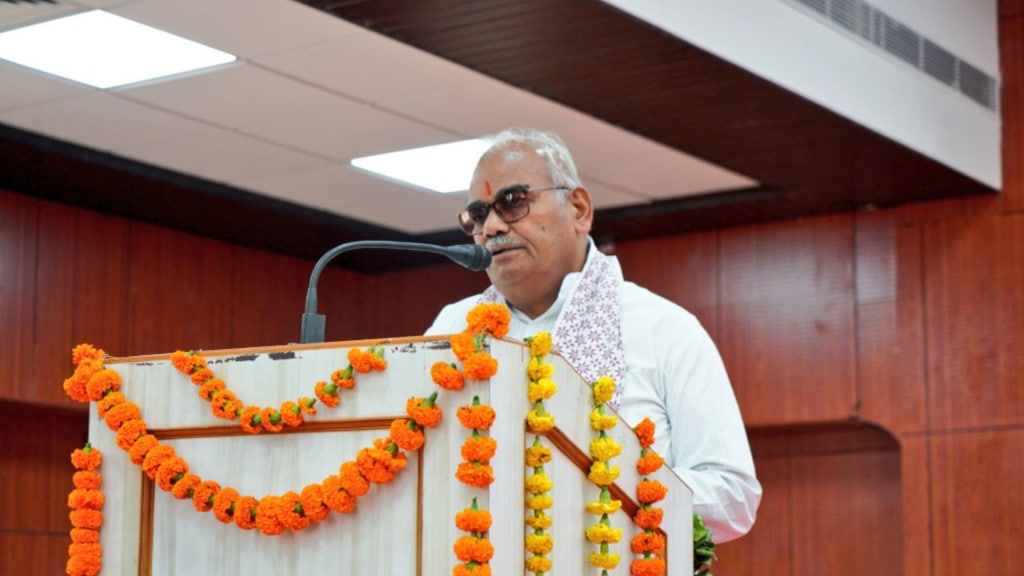
Education and Panchayati Raj Minister Madan Dilawar said that it was not possible to hold any activities or events on campus as exams are in progress, whereas Director of Secondary Board Education Sitaram Jat said that he has not issued any such order.
“All schools in the state are currently conducting examinations, which will be held from December 5 and 6. Therefore, it is not possible to conduct any other activities or events in schools during the examination period. Therefore, the ‘Shaurya Diwas’ celebrations are postponed,” Dilawar said in a statement.
Jat, however, told PTI, “No such directions have been issued to the schools. I don’t know how it is being circulated.”
What the order called for
As reported by The Indian Express, the circular instructed schools to hold multiple programmes on December 6 to promote “patriotism, nationalism, bravery, cultural pride and national unity” among students and staff. The proposed activities included speech and essay competitions on Indian culture and the Ram Temple movement, along with painting and poster-making sessions centred on the Ram Temple in Ayodhya. Schools were also asked to organise patriotic song performances, folk dances and short skits inspired by historical or mythological themes.
The directive also suggested exhibitions featuring photographs, artefacts and write-ups on the Ram Janmabhoomi movement and other “heroic” moments in Indian history. It proposed group Surya Namaskar, yoga sessions and a special assembly beginning with hymns and aarti dedicated to Lord Ram. Additionally, the circular recommended organising “Shaurya Yatras” (awareness marches) within school campuses and inviting defence personnel, social workers and history experts to speak with students.
Although the order was recalled, Dilawar stood by it. He argued that Lord Ram embodies the core values of Indian culture and that the Ram Mandir movement is a symbol of cultural pride. He added that teaching students about the Ram Janmabhoomi movement would “inspire students and instil a spirit of patriotism and national unity”.