



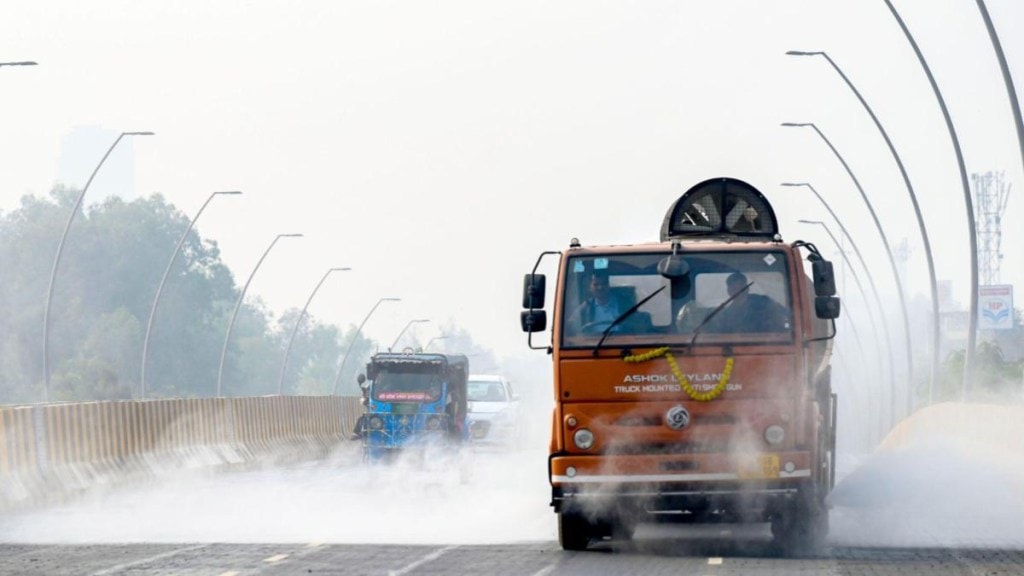
There is no respite for the citizens of Delhi from the toxic air. Amid the continuous deterioration in air quality across Delhi and the national capital region (NCR), the fourth stage of the Graded Response Action Plan (GRAP) was imposed on Saturday. Earlier in the day, the CAQM sub-committee had invoked Stage III measures after the AQI breached 401 but rapidly deteriorating conditions led to the escalation within hours.
GRAP Stage IV, categorised as “Severe+”, is triggered when the AQI crosses the 450 mark. The decision was taken as pollution levels showed signs of worsening further.
Officials attributed the spike in pollution to unfavourable meteorological conditions, combined with high vehicular emissions, paddy-straw burning in neighbouring states, firecrackers and other local sources that typically push Delhi-NCR into hazardous air quality during the winter months.
What’s closed and open during GRAP 4?
With Stage IV now in force, almost all non-essential construction and demolition activities have been halted. The prohibition covers private, commercial and government construction sites, extending even to linear infrastructure works such as highways, roads, flyovers, overbridges, power transmission lines and pipelines. Only projects classified as essential — including those related to national security, healthcare or urgent safety repairs — will be allowed to proceed, and that too with specific clearance from the authorities.
At the same time, curbs on vehicular movement have been tightened sharply. The entry of most trucks and heavy goods vehicles into Delhi from outside the city has been barred, with exemptions granted only to vehicles transporting essential goods or providing critical services. Trucks operating on cleaner fuels such as LNG, CNG, electric power or BS-VI diesel have been excluded from the ban.
Delhi-registered diesel medium and heavy goods vehicles that meet BS-IV or lower emission norms have been barred from plying, unless they are transporting essential goods.
Light commercial vehicles, especially diesel-powered LCVs coming into Delhi from outside, have also been barred unless they operate on cleaner fuels or comply with BS-VI emission norms. Meanwhile, public transport services including the Metro, buses and taxis will continue to run, with authorities likely to increase frequency to nudge commuters away from using private vehicles.
Which vehicles will be permitted in Delhi?
While private petrol, CNG and BS-VI diesel cars and two-wheelers are still permitted. During this stage, employers are generally asked for work-from-home arrangements if pollution levels remain elevated.
School classes are also asked to use online or hybrid modes and to suspend outdoor activities for children. Non-essential commercial activities may also face temporary restrictions, though essential services such as hospitals, pharmacies and the supply of food and daily necessities will remain unaffected.