



The Delhi government said on Friday that it is working on changes to the rules that would allow privately owned electric vehicles and BS-VI compliant cars to run as taxis in the national capital. Officials also said ride-hailing platforms have agreed to start shared taxi services and women-driven cabs within the next month.
These decisions were taken after a high-level meeting chaired by Chief Minister Rekha Gupta with major automobile companies and cab aggregators such as Ola, Uber and Rapido. The discussions focused on speeding up the use of electric vehicles and promoting shared transport to cut down traffic congestion and pollution in the Capital.
As per an official government statement, the companies said they are ready to bring private EVs and BS-VI cars onto their platforms as taxis, but pointed out that existing transport rules would need to be changed. Gupta assured them that the government would make the required amendments in the coming days, while making it clear that passenger safety norms must be followed strictly.
The statement added that the companies also “agreed to operate shared taxis and stated that within one month they would begin services for shared taxis and taxis driven by women drivers.”
Reducing traffic to control pollution
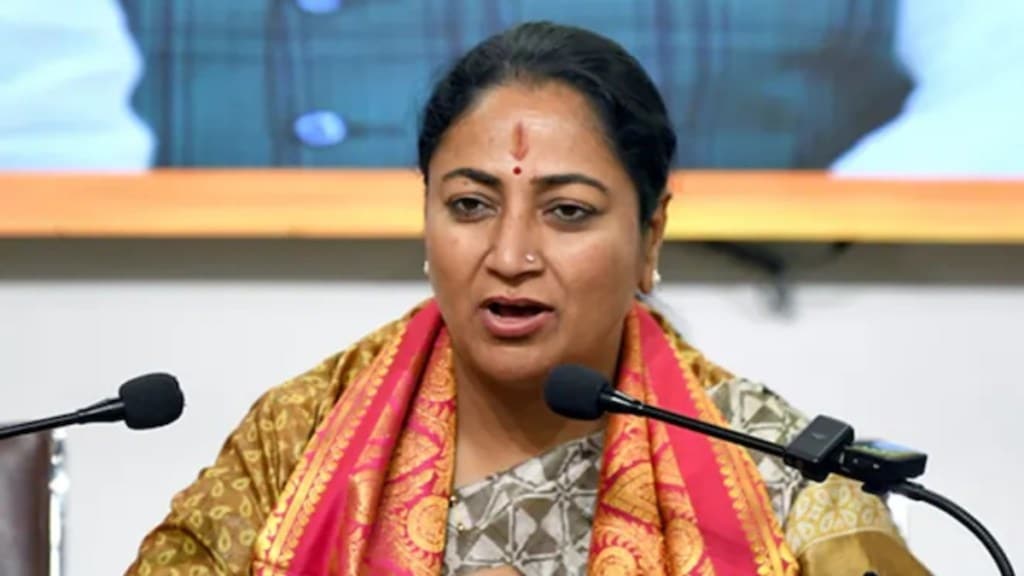
“Sustainable pollution control in Delhi would not be possible without reducing traffic volume and shifting commuters towards shared and electric transport,” Gupta said during the meeting, which was attended by Transport Minister Pankaj Kumar Singh and senior officials.
The government believes that allowing private electric vehicles to operate as shared taxis can help reduce the total number of vehicles on Delhi’s roads. Gupta also suggested bringing e-rickshaws onto aggregator platforms and starting pilot shuttle services on the Ring Road and routes to the airport.
Charging infrastructure in focus
Car makers present at the meeting, including Tata Motors, Mahindra and Maruti Suzuki, stressed the need for a strong public charging network and policies that are friendly to consumers to see real improvement in air quality. In response, the Chief Minister offered government land for setting up charging stations, but asked companies to look at using solar energy for charging, according to a report by PTI.