



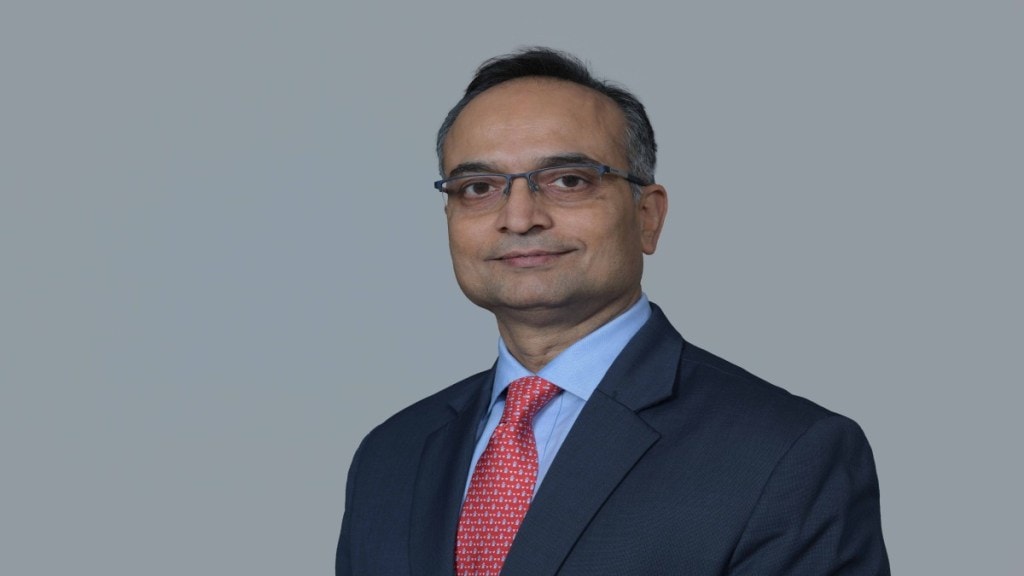
Paritosh Kashyap, Whole-time Director & Executive Director at Kotak Mahindra Bank, said the Reserve Bank of India’s regulatory approach has consistently centred on ease of doing business and enhancing customer experience. Speaking with Mahesh Nayak, Kashyap said the bank’s priorities continue to be SME lending, transaction banking, customer service, and retail assets, while emphasising that SME and transaction banking will be the key growth engines in bank’s next phase of growth.
Excerpts
How do you see 2026 shaping up for the economy, markets, and banking, especially after the regulatory changes introduced last year?
If I look back seven or eight years, the RBI’s priorities have shifted dramatically. At that time, the entire regulatory focus was on NPAs — credit quality, stress recognition, and deep inspections. Once the NPA problem was largely addressed around 2022, the focus moved to governance: how banks are run, the strength of boards, committees, and internal processes.
Today, the RBI’s emphasis is firmly on ease of doing business and customer experience. They want banks to be more customer‑friendly, more responsive to complaints, and more seamless in service delivery. The consolidation of thousands of circulars into a fraction of that number is a major step. Even if the rules themselves haven’t changed drastically, the clarity and accessibility have improved immensely. These are strong signals of a regulator trying to align with how markets have evolved. They are moving gradually — because rapid change creates accidents — but the direction is constructive and positive.
What does this shift mean for banks?
It means the era of lazy banking is over. Margins have shrunk, spreads are tighter, and competition is intense — not just from banks but from fintechs and NBFCs, many of whom are extremely nimble and loaded with capital.
We have to become more agile, more digital, and far more customer‑centric. Unless we offer best‑in‑class products and service, we won’t win customers — whether corporate, retail, or NBFCs. We must reduce opex, digitise processes, and deliver seamless experiences. Technology and data are no longer optional, they are central to competitiveness.
NBFCs have grown massively. How do you see their role in 2026?
NBFCs are now as large as mid‑sized banks. A decade ago, people wondered how NBFCs would survive without deposits. But the market has deepened so much that they have not only survived — they have outperformed in many areas.
Their regulatory cost is lower, they are nimble, and they use technology and data extremely well. Banks must compete with them on their strengths — tech‑driven credit, data science, and speed — not just traditional judgmental lending.
At the same time, NBFCs still rely on banks for delivery infrastructure. Every disbursement ultimately flows through a bank account. So transaction banking remains a major opportunity for banks.
With so much capital in the system, can players lose discipline?
It’s possible, but I believe most players are responsible and seasoned. These are not new entrants; they have decades of history. Market cycles will always create pockets of stress — like microfinance last year — but lenders must always balance risk and reward. That discipline remains intact.
How do you see the RAM segment (Retail, Agriculture, MSME), especially with rising unsecured lending?
I see a long‑term consumption story in India. Household consumption is around S6,000-6,500 per annum — far below Malaysia or the US. As discretionary consumption rises from today’s 13%, it will drive growth in retail loans — microfinance, credit cards, personal loans, MSME — everything linked to household spending.
Yes, household indebtedness has risen, and I am a little worried about that. Post‑Covid, corporate balance sheets deleveraged, but individual balance sheets stretched because asset prices rose faster than incomes. Over time, inflation and salary growth will rebalance this, but cycles will come and go.
What are the biggest positives and the key risks you see for 2026?
2026 has several strong positives: the sheer amount of capital now available with banks and NBFCs is ultimately great for customers; the RBI’s push toward simplicity, customer‑centricity, and technology adoption is reshaping the system for the better; and improved rate transmission is forcing all of us to become more digital, more efficient, and more disciplined on costs. Add to that a solid, consumption‑led growth story, and the overall environment looks healthy. At the same time, the risks are real — excess of anything is harmful, whether it’s liquidity, aggression, or risk‑taking. With competition only getting more intense, we must stay balanced, measured, and disciplined in how we play the game.
Which segment are you most bullish on?
SME — without doubt. SME is integral to India’s growth story. At Kotak, SME already forms about 25% of the lending book. Our aspiration is to grow this segment much faster than wholesale banking. We are digitising end‑to‑end, improving delivery, reducing cost‑to‑serve, and building ecosystem banking — not just lending, but salary accounts, promoter accounts, family banking, everything. We want to be their holistic banker.
With 10-year G-Sec yields around 6.60% and policy rates softening, will large corporates return to banks for funding?
Not significantly. Even though capital market rates have inched up slightly, the delta still favours the market. Banks are not designed for very long‑term financing, and our cost of funds is higher. For AA‑and‑above corporates, capital markets will remain the cheaper option.
If corporate capex remains muted, where does growth come from for your bank?
Even if large corporate capex doesn’t pick up meaningfully, our growth engines remain very clear. We continue to focus on trade and transaction banking, where we see strong, steady demand; on SMEs, which are integral to the country’s growth story and a core part of our strategy; and on retail assets, which are closely aligned with the broader consumption momentum in the economy. These three pillars — transaction banking, SMEs, and retail — continue to drive our growth irrespective of the corporate capex cycle.
What is your outlook for 2026 specifically for Kotak Bank?
Our focus areas remain SME, transaction banking, customer service, and retail assets. We will be more aggressive in retail assets, but always guided by risk‑return metrics. It will be a balanced mix of secured and unsecured.