



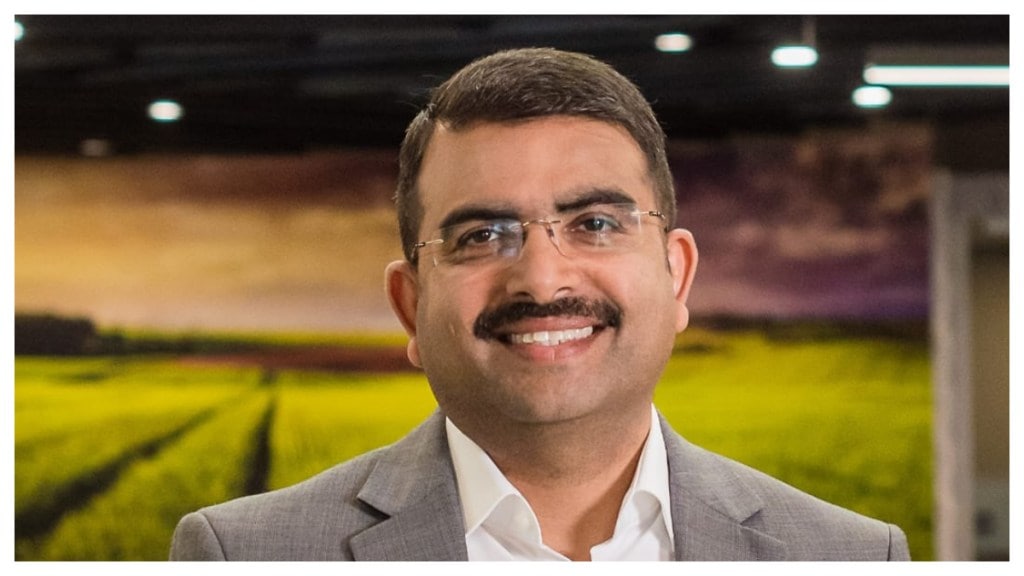
Technology lies at the heart of FINO Payments Bank Managing Director & CEO Rishi Gupta’s vision for the new small finance bank (SFB). In an interview with Mahesh Nayak, Gupta said his approach is rooted in a digital-first mindset. Drawing inspiration from neo-banks like Nubank, artificial intelligence will be harnessed to enhance customer experience, strengthen fraud management, and boost operational efficiency. Excerpts:
What strategic groundwork did you lay as a payments bank to prepare for this transition?
We deliberately went beyond building a lending book. Our model is focused on expanding liabilities and product offerings. We strengthened distribution, engaged more closely with merchants and customers, and built a dedicated customer experience team. On the technology front, we migrated our core banking platform from FIS to Finacle to enable lighter systems and future AI integration. We also invested heavily in AI for customer experience, fraud management, and security. Talent acquisition was another priority, we brought in seasoned bankers to prepare for the SFB journey.
What is the time frame to commence operations as a SFB?
With our net worth already above the required Rs 200 crore, thanks to Rs 300 crore raised during the IPO, we are now working towards going live as an SFB within the RBI’s 12–18-month window. Our target is 12 months.
How will you differentiate yourself from other small finance banks?
Our DNA is digital-first. Technology and AI will be central to our model, unlike many SFBs that grew out of MFIs. We will leverage our merchant network not just for transactions but also as borrowers and lead generators, giving us eyes and ears on the ground in tier-3 and tier-4 cities. Another differentiator is our ability to generate low-cost liabilities.
We open 3–3.5 million accounts annually, generating Rs 500–700 crore liabilities each year. Currently, we have Rs 2,500–2,700-crore CASA balances. By the time of launch, this should grow to Rs 3,500 crore. Our BC (business correspondent) network will contribute 65–70% of liabilities, with branches adding 15–20%.
What will your lending strategy look like?
We will maintain a strong focus on secured products. Around 70–80% of the portfolio will be secured. We draw inspiration from AU Bank for liability generation and secured lending, and from neo-banks like Nubank and Revolut for their digital-first, platform-based approaches.
What operational changes will come with the conversion?
We will adopt a hub-and-spoke branch model, aiming for around 150 selective branches over the next three-four years. Existing 120–130 controlling offices for the BC network will form the backbone. However, as an SFB, we can no longer act as a BC for other banks, so that part of the business will be divested. On capital, we currently stand at Rs 750 crore, but the RBI mandates promoter shareholding be reduced to 40% over five years. That may involve raising more capital via an offer for sale.
How will this impact your revenue and cost structure?
Revenues won’t be significantly impacted, except for the divestment of the BC business, which is 7-8% of overall operations. Costs, however, will rise due to higher capex, technology investments, hiring, and branding. We expect the employee strength to grow by 20–25% within two-three years after launch.