



The return of Donald Trump to the White House was overwhelmingly greeted by the bulls. All the leading stock market indices closed at record highs after it became clear that Former President Donald Trump had won two non-consecutive terms, which Grover Cleveland had previously accomplished.
All eyes are now on the US Federal Reserve’s FOMC meeting, which is already underway. The rate decrease decision is expected to be announced today.
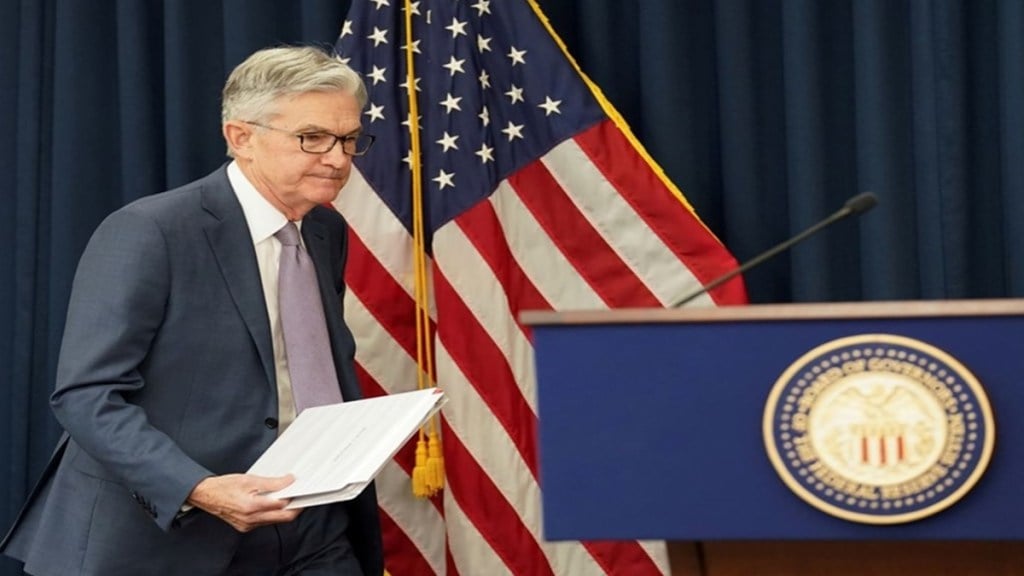
FOMC meets over two days – November 6-7 and Federal Reserve Chair Jay Powell will make the announcement about the FOMC’s interest rate decision on November 7. Powell’s press conference will be keenly watched by global investors.
The FOMC meeting in November is significant because it takes place right after the elections for the position of president of the United States (POTUS) and the next White House occupant.
Trump’s inflationary policies are expected to impact the US Fed’s rate cut campaign. Trump plans to impose tariffs on imported goods and appoint Elon Musk to an efficiency commission, potentially generating $2 trillion from the next federal budget. These policies could significantly impact the US’s growth prospects and likely stoke inflation pressures in the world’s biggest economy.
That fear is reflected in the bond market, as benchmark 10-year Treasury note yields reached their highest level since early July, closing at 4.45% after Tuesday’s vote.
However, markets expect the Fed to cut the rate by 25 bps on November 7 before new economic data flow in the weeks ahead.
Therefore, markets are discounting further rate cuts, particularly in the FOMC meeting on December 17-18, and the slower pace of reductions in the first quarter of 2025.
In the previous FOMC meeting held on September 18, after keeping the benchmark lending rate at a two-decade high of 5.25 to 5.50 percent, the US Fed cut rates by 50bps.
A 50 basis point drop in interest rates is generally interpreted by analysts as a sign of economic weakness. Is there anything about the economy that the market is unaware of? Many people believe that the Fed may have front-loaded the cut as a damage control tactic because they were slow to drop rates.
However, since the September FOMC meeting, the economic data has posed challenges for the US Fed.
The US CPI data for September released on October 10 showed a slowing down of inflation but was less than expected and surprisingly US core inflation unexpectedly rose.
For the sixth consecutive month, the US annual inflation rate fell, from 2.5% in August to 2.4% in September 2024—the lowest level since February 2021. However, the surprise for the markets was that the annual core consumer price inflation rate, which excludes items such as food and energy, edged higher to 3.3% in September from the three-year low of 3.2% recorded in the two previous months.
On the jobs front, the unemployment rate remained at 4.1 per cent last month and US employers added just 12,000 jobs in October, down significantly from the 223,000 jobs that were added in September.
This means inflation has not cooled off yet to the extent US Fed will want but the job market is facing the heat from higher interest rates.
Markets predict US Fed rate cut of 25bps in today’s FOMC meeting, as recent economic data suggests so. Inflation and job market data will determine future rate cuts pace and depth.
US Fed, meanwhile, has to tread cautiously that ever before to not reignite inflation and yet keep the economy afloat.
The press conference of Chair Powell following the decision on interest rate will be keenly watched by global investors. S&P 500 is up over 24 per cent YTD, while the tech-heavy Nasdaq 100 has posted 23 per cent so far in 2024. The way the markets respond to the outcomes of the US elections and the FOMC meeting in November will determine how 2024 ends.
At the start of 2024, two big events were expected to influence markets: US elections and the US Fed’s rate-cutting effort. Now that both are almost over, it is unclear how the markets will perform until the end of 2024.