



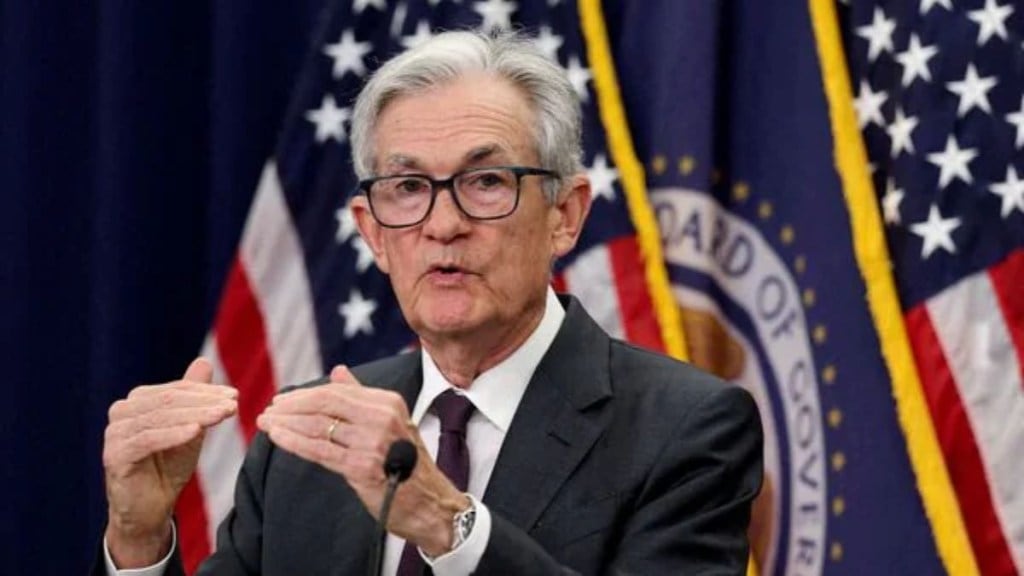
The Federal Reserve on Wednesday lowered its benchmark interest rate by 25bps even as officials remain divided over whether to focus more on high inflation or a weakening job market. The rate now stands in a new range of 3.5% to 3.75%.
Fed officials did not reach full agreement on the decision. Austan Goolsbee and Jeffrey Schmid opposed the rate cut, while Stephen Miran argued for a larger half-point cut. Inflation remains stuck above the Fed’s 2% goal, and although employers added strong job gains in September, a long hiring slowdown has pushed unemployment to its highest level since October 2021.
Data delays add to uncertainty
The government shutdown temporarily stopped data collection, delaying key economic reports. As a result, October’s unemployment rate will not be published. This lack of data has added to disagreements within the central bank. Officials have not reached full consensus on policy since the July meeting, with some worried more about inflation and others prioritising the labour market.
Previous split and ongoing debate
During the September rate vote, Miran, President Trump’s former advisor, pushed for a more aggressive 0.5-point cut. Schmid, who leads the Kansas City Federal Reserve, opposed any change and supported keeping rates steady. President Trump is expected to begin the final round of interviews this week for a new Federal Reserve chair to replace Jerome Powell. White House economic adviser Kevin Hassett is widely viewed as the leading candidate.
A new CNBC Fed Survey shows that while 84% of respondents expect President Trump to choose Kevin Hassett, the current head of the National Economic Council as the next Federal Reserve Chair, he is far from their preferred candidate. Only 11% believe Hassett is the person Trump should select.
Nearly half of those surveyed, 47%, say Fed Governor Christopher Waller is their top choice, while 23% favour Kevin Warsh. Yet confidence that Trump will choose either of them remains low, only 5% think he will pick Waller or Warsh.