



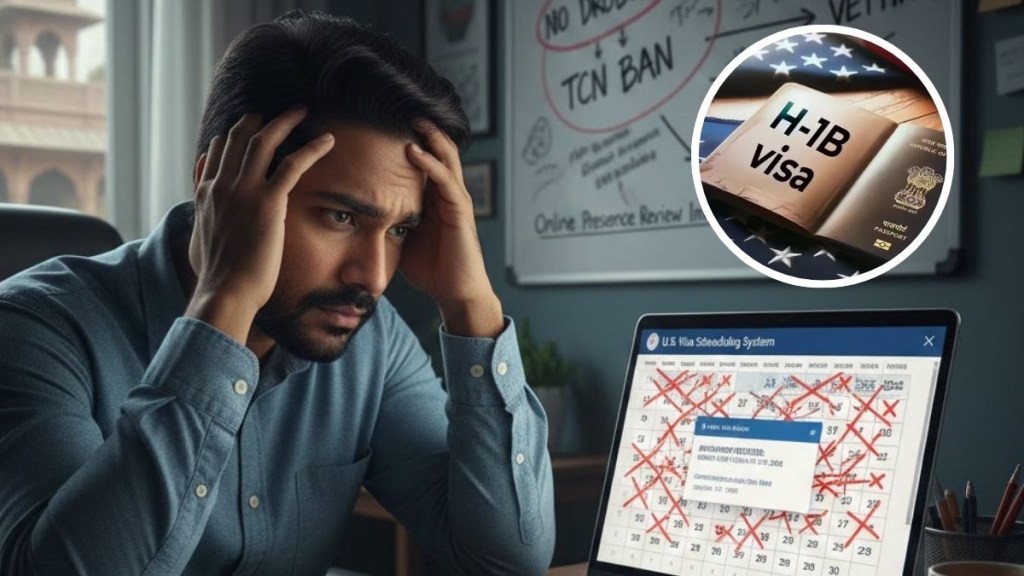
H-1B visas have been under intense scrutiny in recent times, especially after Donald Trump took over the administration for a second term. From proposals such as a $100,000 application fee to social media vetting of applicants, H-1B visa system has seen sweeping changes and tighter controls.
Amid these developments, a new concern has emerged for thousands of Indian visa applicants, the sudden and large-scale rescheduling of H-1B and H-4 visa interviews, in some cases, pushing appointments by more than a year.
Interviews shifted from 2026 to 2027
According to immigration attorney Gnanamookan Senthurjothi, H-1B and H-4 applicants who had interview dates in January 2026 are now seeing their appointments pushed to February, March and April 2027 (NOT 2026), with no clear explanation from consular posts.
Lawyer describe this as an unprecedented development. Interviews are now being moved more than a year ahead, even though an applicant’s circumstances could drastically change in that time. H-1B petitions may expire, applicants may switch employers, adjust or change their immigration status in the US, face layoffs, or even permanently return to India before their interview date arrives. This uncertainty has triggered serious personal and professional consequences.
US based outlet The American Bazaar reported that immigration lawyers are increasingly encountering cases where visa appointments originally scheduled for mid-January 2026 have now been postponed to as late as October 2026.
Confirming the rescheduling trend, a spokesperson for the US Consulate General in Hyderabad said, “The Department of State regularly shifts appointments as needed to match resource availability. We will communicate any changes directly to affected visa applicants,” according to Deccan Chronicle.
Families pay the price
As per Senthurjothi’s LinkedIn post, the prolonged delays have deeply affected families on both sides of the globe. Marriages are being postponed, engagements cancelled, and families are unable to visit ailing relatives, spend time with parents, attend important family functions, or celebrate festivals together. For many, the visa delay is no longer just a bureaucratic hurdle, it has become a life-altering crisis.
Travel now comes with career risk
For H-1B workers currently in the US, the situation is particularly risky. Travelling to India for visa stamping based on an existing appointment, without clarity on whether that slot will be honoured could jeopardise both their job and legal status. What was once a routine process has now turned into a high-stakes decision, forcing many workers to reconsider travel plans altogether.
Worse than the pandemic era
Senthurjothi says that the current pattern of rescheduling feels irrational and unsustainable. Many argue that the situation is now worse than anything witnessed during the peak of the Covid-19 pandemic.
With interviews being pushed into 2027, the lawyer pointed out that the US consular mission in India appears to be “welcoming 2027 before it has even had a chance to celebrate 2026.”
With few immediate legal remedies available, attorneys are urging affected applicants to prepare for alternative arrangements.
Sangeetha Mugunthan, an associate attorney at Somireddy Law Group PLLC, told The American Bazaar, “Despite limited legal action immediately available, the better option for affected applicants would be to plead with employers for remote work or leave, if that’s possible.”