



The findings of a recent KFF/New York Times survey indicate that immigrants’ lives and general activities in the United States have been severely impacted. Both legal and illegal immigrants in the US are facing big disruptions in their lives as a result of the Trump administration’s immigration enforcement.
Survey Findings
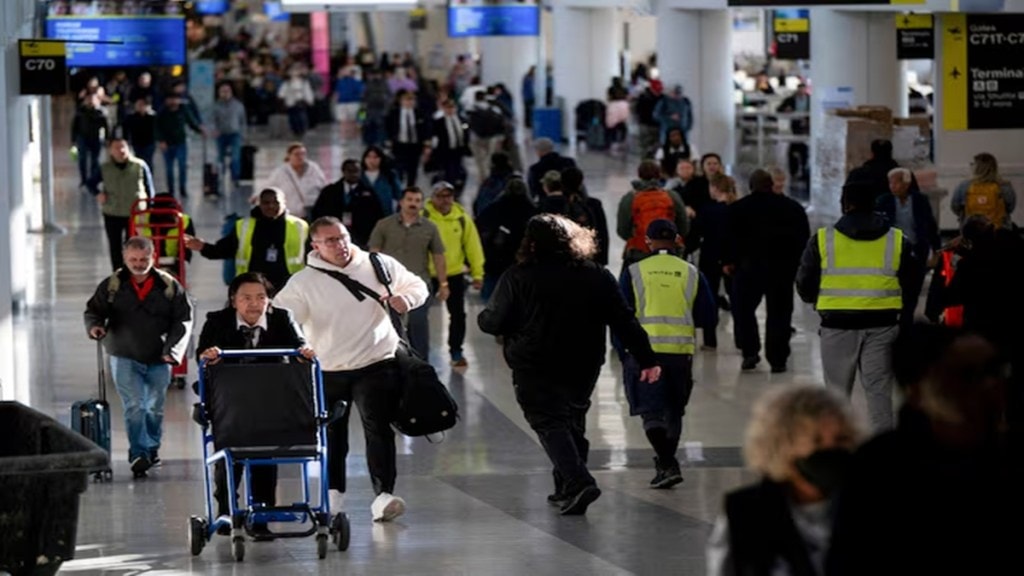
A recent KFF/New York Times Survey of Immigrants found that 27% of immigrants said they or a family member has avoided traveling this year due to concerns about drawing attention to someone’s immigration status.
The share of likely undocumented immigrants who say this is even higher, with 63% saying they have done this. Avoiding travel is something even a third (32%) of immigrants who are lawfully present and a fifth (18%) of naturalized citizens say they are doing.
Traveling is just one of the many aspects of life that immigrants say they have avoided since President Trump came into office.
About one in ten immigrants also say they or a family member has avoided seeking medical care (14%), going to church or other community activities (14%), going to work (13%), or taking a child to school or attending school events (10%) due to immigration-related concerns this year.
Collectively, three in ten (30%) immigrants overall say they have avoided at least one of these activities since January, rising to three-fourths (74%) of immigrants who are likely undocumented.
Avoiding Travel
A KFF/New York Times Survey of Immigrants shows that many immigrants are already avoiding travel and other activities due to immigration-related fears, which may increase following news that the Transportation Security Administration (TSA) is sharing information with ICE.
On Friday, The New York Times reported that the Transportation Security Administration (TSA) is sharing the names of passengers with Immigration and Customs Enforcement (ICE) to seek out and expel people under deportation orders.
Previously, ICE had avoided interfering with domestic travel. This is the latest step the Trump administration has taken as part of its effort to have federal agencies share data to aid in the arrest, detention, and deportation of immigrants who may be in the U.S. unlawfully.
While data sharing practices are being challenged in courts, the Trump administration has directed the Internal Revenue Service and Centers for Medicare and Medicaid Services to share personal information of individuals for immigration enforcement purposes.