



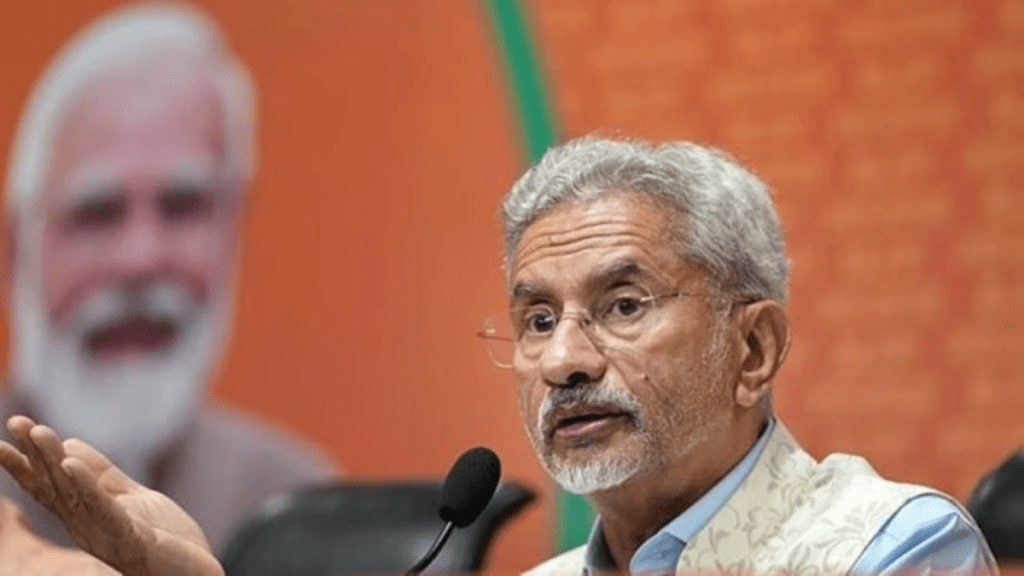
Africa Day, celebrated on May 25th, commemorates the founding of the Organization for African Unity (OAU) in 1963. This day is not only a celebration of Africa’s unity and progress but also a moment to reflect on the deep-rooted and evolving relationship between Africa and its global partners, notably India. On this occasion, External Affairs Minister S Jaishankar underlined the historical solidarity, shared interests, and common aspirations that underpin India-Africa relations.
Historical Ties and Contemporary Dynamics
India’s engagement with Africa is longstanding, dating back to ancient times through trade and cultural exchanges. In contemporary times, this relationship has been significantly redefined, especially under Prime Minister Narendra Modi’s leadership, which outlined ten guiding principles to liberate Africa’s potential. These principles focus on building local capacity, creating opportunities, sharing India’s digital revolution experiences, and improving public services, education, and agriculture in Africa.
Education and Capacity Building
One of the cornerstones of India-Africa relations is education and capacity building. India has trained nearly 40,000 Africans under the Indian Technical and Economic Cooperation (ITEC) program in the past decade. The tele-education and tele-medicine project, which has entered its second phase, has provided scholarships to over 15,000 African youths from 22 countries since 2019. Additionally, more than 23,000 African students are currently studying in India. Establishing Indian educational institutions in Africa, such as the Indian Institute of Technology in Zanzibar and the National Forensic Science University in Uganda, underscores India’s commitment to advancing education in Africa.
Infrastructure Development
India’s contribution to Africa’s infrastructure development is noteworthy. The Indian government has completed 206 projects in 43 African countries and is currently implementing 65 projects worth over US$ 12.37 billion. These projects span various sectors, including drinking water and irrigation schemes, power plants, cement, sugar, and textile plants, technology parks, and railway infrastructure. These efforts not only bolster Africa’s infrastructure but also enhance local employment and skill development.
Trade and Economic Cooperation
Trade and economic ties between India and Africa are robust. India is Africa’s fourth-largest trading partner, with bilateral trade reaching about US$100 billion and cumulative investments exceeding US$75 billion. The African Continental Free Trade Area Agreement (AfCFTA) promises deeper economic integration, which India supports through its duty-free tariff preference (DFTP) scheme. This scheme extends duty-free access to 98.2% of India’s total tariff lines, benefiting 33 African Least Developed Countries (LDCs).
Health and Humanitarian Assistance
India’s support for Africa extends to health and humanitarian assistance. During the COVID-19 pandemic, India provided around 150 tonnes of medical aid to 32 African countries. The ‘Vaccine Maitri’ initiative, which supplied vaccines to many African nations, highlighted India’s commitment to global health. Additionally, India has donated medical equipment, ambulances, and cancer treatment machines to various African countries. India’s traditional medicine expertise, with the WHO Global Traditional Medicine Centre located in India, offers further collaboration opportunities in healthcare.
Defense and Security Cooperation
India and Africa share strong defense relations. Multiple meetings of African Defense Ministers have been held in India, and several African military officers receive training in Indian institutions. India has also helped establish Defense Academies and Colleges in countries like Nigeria, Ethiopia, and Tanzania. Indian training teams are deployed in numerous African countries, and nearly 5,000 Indian personnel are currently serving in UN Peacekeeping Missions in Africa. India’s participation as an Observer in the Djibouti Code of Conduct and the Jeddah Amendment further strengthens its role in ensuring maritime security in the Western Indian Ocean and the Gulf of Aden.
Multilateral Engagement and Global Cooperation
India has consistently supported Africa’s greater role in international forums. During its G-20 Presidency, India emphasized the aspirations of the global south, including Africa. The inclusion of the African Union as a permanent member of the G20 in 2023 was a significant achievement. India’s commitment to the ‘Ezulwini Consensus’ and the ‘Sirte Declaration’ underscores its support for Africa’s representation in global governance structures.
Technological Collaboration
India’s technological advancements, particularly in digital technology and space, present new avenues for cooperation with Africa. The ‘India Stack’ model, which includes UPI and Aadhar systems, has already started yielding positive results in Africa. Space technology solutions for weather forecasting, early warning systems, resource management, and precision agriculture can significantly contribute to Africa’s development and the achievement of Sustainable Development Goals (SDGs).
As Jaishankar highlighted in his remarks, India’s relationship with Africa is built on emotional bonds, mutual respect, and shared aspirations. The future of India-Africa relations looks promising, with both sides committed to deepening their engagement across various sectors for mutual benefit. In the words of Prime Minister Modi, “India’s priority is not just Africa; India’s priority is Africans – every man, woman, and child in Africa.” This sentiment encapsulates the spirit of India-Africa relations, which continue to grow stronger with each passing year.