



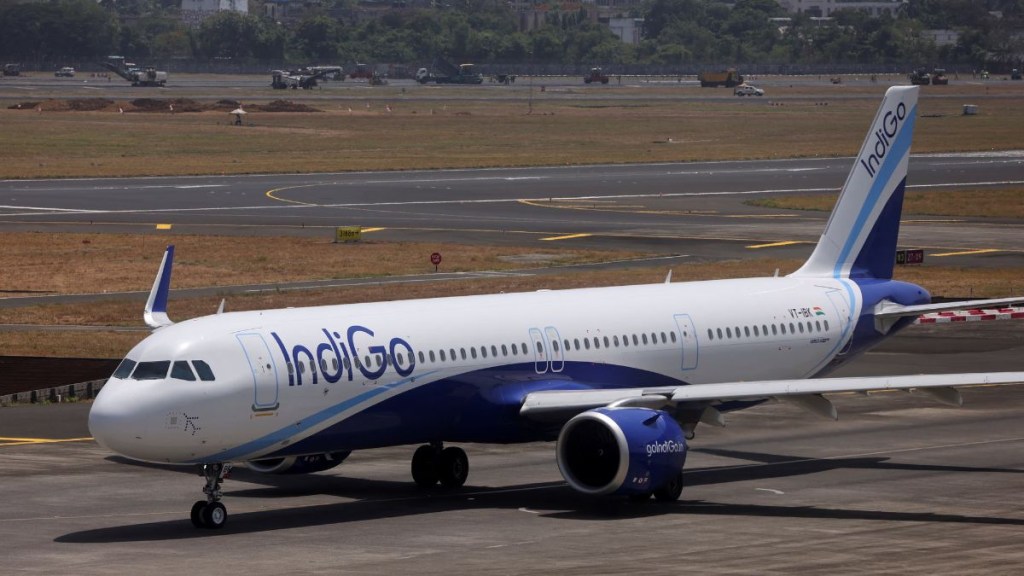
The Competition Commission of India (CCI) has decided to begin an inquiry into IndiGo airline after receiving a complaint related to recent flight disruptions, the CCI said on Thursday.
“CCI has taken cognizance of Information filed against IndiGo in the context of the recent flight disruptions witnessed in the aviation sector, across various routes,” the antitrust watchdog said in a statement.
CCI added that “based on the initial assessment, the Commission has decided to proceed further in the matter, in accordance with the provisions of the Competition Act, 2002”.
Root Cause
The inquiry follows IndiGo’s cancellation of more than 4,200 flights between December 1 and 9, after the airline struggled to manage its pilot duty roster following the Directorate General of Civil Aviation’s (DGCA) full implementation of stricter rest and duty regulations in November.
The new rules increased weekly rest requirements and reduced permissible night flying hours for pilots, with disruptions peaking on December 5.
Given IndiGo’s dominant market share of nearly 65% in the Indian aviation industry, the CCI will examine whether the airline leveraged this market power in a manner that contributed to the December 2025 crisis.
The CCI first conducts a preliminary inquiry based on the information received. Based on the findings, it directs the Director General office to start a formal investigation.
Section 4 of the Competition Act prohibits abuse of dominant position. The Act does not prohibit dominance itself, but exploiting such a position through unfair or predatory pricing can attract penalties by the Commission.
Legal Implications and Potential Structural Remedies
If IndiGo is found to have abused its dominant position, the CCI may order the airline to cease and desist from the abusive conduct, impose monetary penalties based on its turnover, and direct changes in its business practices or agreements to prevent future abuse.
In serious cases, the Commission may also impose structural remedies such as division of the enterprise, pass interim restraining orders during the investigation to prevent harm to competition, and its findings would allow affected parties to seek compensation.