



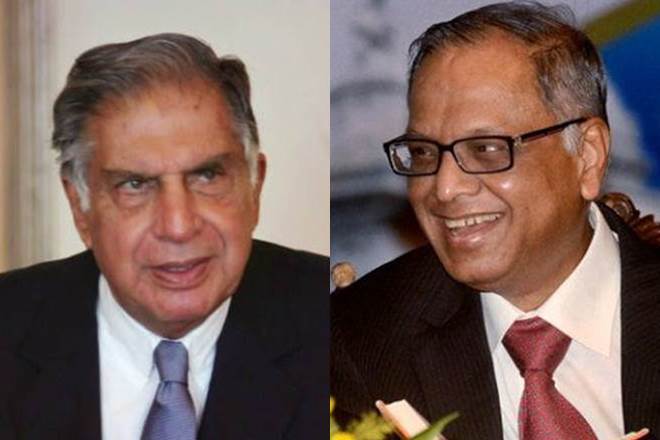
Infosys and Tata Group: Barely had the noise about Ratan Tata-Cyrus Mistry spat started receding into the background when the Infosys co-founders, NR Narayana Murthy, Nandan Nilekani, V Balakrishnan, versus R Seshayee and Infosys board members has come to the fore. While both cases have different issues and are different in nature, there are some similarities that are stemming from the same promoter versus professional row. Both companies have promoters who, in a bid to professionalise their companies, appointed professionals who perhaps clashed due to their styles of functioning. Here are the similarities between both the controversies:
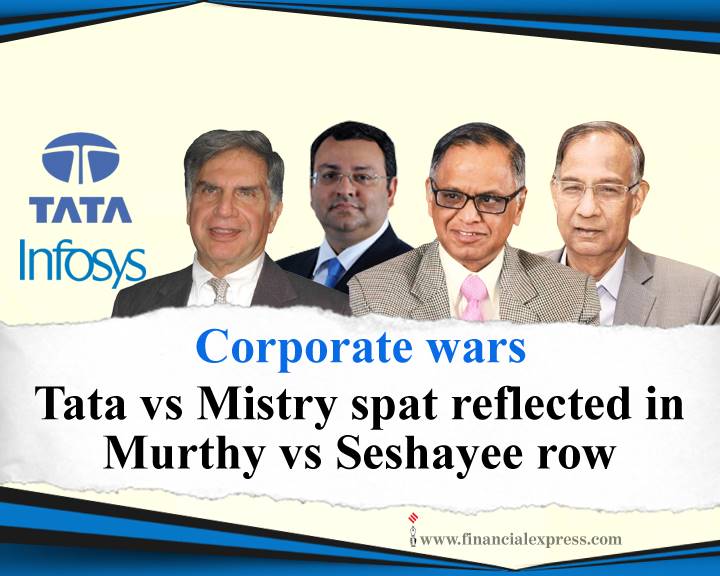
1. Both question the standards of corporate governance. In case of Ratan Tata-Mistry it was more of performance and lack of trust in the individual CEO ie., Cyrus Mistry, in case of Infosys it is specifically not against Vishal Sikka, but draws parallels from the Tata-Mistry boardroom battle, over issues of governance, disclosure norms, and transparency. And there is more – the founders have raised concern over Sikka’s compensation, and Rs 17-crore severance package paid to Rajiv Bansal, Infosys’ former chief compliance officer.
You May Also Like To Watch This:
[jwplayer a5IiLAvG-DE6UeepY]
2. In both cases the directors have been divided. Though in case of Infosys most of the directors have come out in support of Sikka, in case of Cyrus Mistry, too, most of the independent directors of different companies had shown faith in his leadership at the initial stage.
3. Coincidentally, both Vishal Sikka and Cyrus Mistry were handpicked successors chosen after a long search, In case of Infosys, there was a CEO appointed in between but he was removed by the promoters and Narayana Murthy staged a comeback before Vishal Sikka was finally appointed. However, in case of Cyrus Mistry, Ratan Tata took a very long time to choose Cyrus Mistry as his successor.
You May Also Like To Watch This:
[jwplayer goGINkZp-DE6UeepY]
4. In both cases the promoters – Ratan Tata and Narayana Murthy are important promoters who could be refusing to let go of their control and trying to backseat manage even after their retirement. Both see it as their right to interfere, make comments, and direct the way the business should be done, say experts. Whereas, the professionals refuse to toe their line. However, in Infosys’ case, the founders do not enjoy the power that Tata had. The founders all combined hold 12.75% stake. In Tata Sons, Tata Trusts holds 66% stake – of which Ratan Tata is the chairman.