



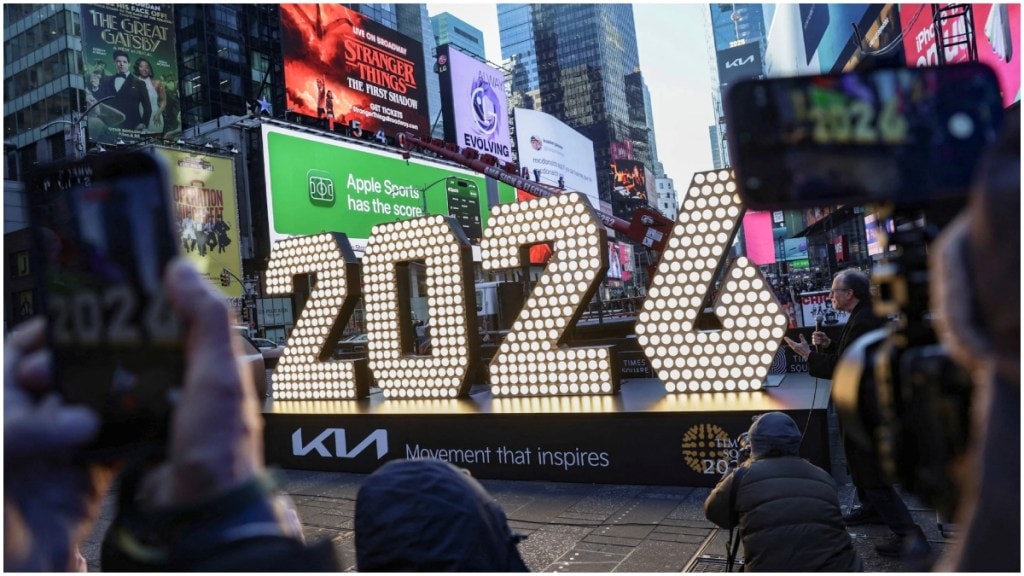
As the calendar turns to 1 January 2026, a wave of new laws and regulatory changes across the US is set to take effect, bringing notable shifts that will impact citizens in several ways.
Here are some of the most notable new pieces of legislation going into effect.
Virginia’s social media law
Virginia will limit the amount of time children under age 16 can spend on social media to an hour per day (per platform, unless a parent or guardian allows for more screen time). The law, signed by Governor Glenn Youngkin, places the onus directly on social media companies, such as TikTok, Meta and YouTube. The law is the first of its kind to cap children’s daily usage of social media.
Animal abuser registry
Florida will create an online database that tracks the names of people who have been found guilty or pleaded guilty or no contest to animal cruelty charges.
Pet sellers, rescue organisations and residents in the state will be able to use the searchable, public site to ensure they are not giving an animal to a known abuser, according to Spectrum Bay News 9. Several other states have similar databases, including Delaware and Tennessee.
Domestic violence offender registry
Tennessee will begin tracking repeat domestic violence offenders through a public database. The registry will include the name, date of birth, conviction dates, counties of conviction and a photo of the offender. However, the law only applies to people who receive at least their second conviction on or after January 1. The registry is the first of its kind in US, according to WSMW.
‘Green Fee’ for tourists in Hawaii
Travellers visiting Hawaii will now have to shell out an additional fee that helps the state fund climate change resiliency projects and environmental stewardship. It is expected to generate $100 million annually for the state and comes amid an uptick in natural disasters, like the 2023 Maui wildfires.
California’s enhanced plastic bag ban
California is upping its ban on plastic bags. While the state banned single-use plastic bags in 2014, it allowed stores to offer thicker plastic bags that customers could reuse. Now, it is prohibiting all plastic bags, after finding that consumers weren’t reusing the thicker bags and they were still ending up in landfills, according to USA Today.